Step back into the samurai era at Morioka-jō Castle Site Park (盛岡城跡公園), a stunning landscape of moss-covered granite walls and winding forest paths in the heart of the city. While the original wooden keep of the Nanbu Clan’s stronghold no longer stands, the park is celebrated as one of Japan’s “Top 100 Castles” for its rare, massive stone fortifications, unique in Northern Japan. Renovated from the ruins of Morioka Castle in 1906, the park transforms with the seasons, offering hundreds of vibrant cherry blossoms in spring, lush greenery in summer, fiery maples in autumn, and snowscapes in winter. Moreover, you will also see monuments with Japanese poems engraved in Morioka Castle Site Park. They are the poems of famous Japanese poets Ishikawa Takuboku (石川啄木) and Miyazawa Kenji (宮沢賢治). Both were born and raised in Iwate Prefecture.
About Morioka-jō Castle
The castle, completed in 1633 by the first lord of the Morioka Domain, Nanbu Nobunao (南部信直), was once called Kozukata Castle (不来方城). Although the castle buildings were destroyed during the Meiji Restoration, the granite walls, made of stacked granite blocks, remain. Seeing the walls in the park, one can easily imagine the magnificent appearance of the base of the Morioka Domain (盛岡藩).
Refer to HERE for Morioka Castle Site Park’s map.

Refer to our article on Mitsuishi Shrine to learn why Morioka was called Kozukata.
Morioka-jō Castle Site Park’s Four Seasons
With around 250 cherry blossoms planted, the Morioka Cherry Blossom Festival (盛岡さくらまつり) is held at Morioka Castle Ruins Park from around mid-April to Golden Week. Even at night, the park remains lively, with people adorning the flowers and illuminating them with traditional lanterns.
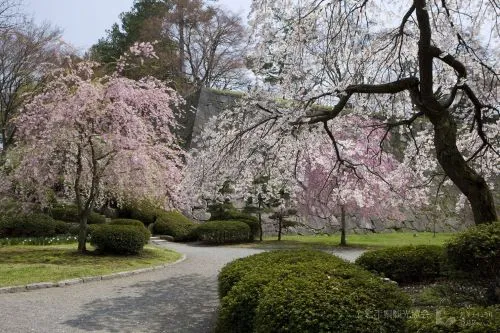
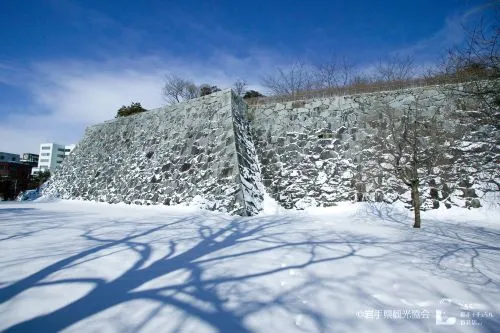
Before the cherry blossoms start to bloom, around 100 plum blossoms can be adorned from late March to early April. In summer, parts of the park are colored by wisteria in May and hydrangeas in July. From late October to mid-November, you can enjoy the vivid autumn colors in the park.
Tip: While in Japanese, refer to the Morioka-jō Castle Site Park Map for cherry and plum blossoms and fall foliage locations. The hydrangeas are close to the Tsurugaike Pond (鶴ヶ池).
How to Get to Morioka-jō Castle Site Park
- Morioka Castle Ruins Park is a 15-minute walk from JR Morioka Station (盛岡駅). You can also take the Loop Bus Dendenmushi from the station and get off at Moriokajō-ato Kōen (盛岡城跡公園).
Morioka History and Culture Museum (もりおか歴史文化館)
If you are interested in Morioka’s history and culture, don’t miss the Morioka History and Culture Museum, located at the north end of Morioka Castle Ruins Park. This museum serves as the perfect starting point for travelers, offering a vivid look at the city’s transition from a samurai stronghold to a thriving cultural hub. The first floor is a feast for the eyes, showcasing the towering, ornate Dashi floats used in the spectacular Morioka Sansa Odori festival, while the upper galleries house rare artifacts belonging to the Nanbu clan.
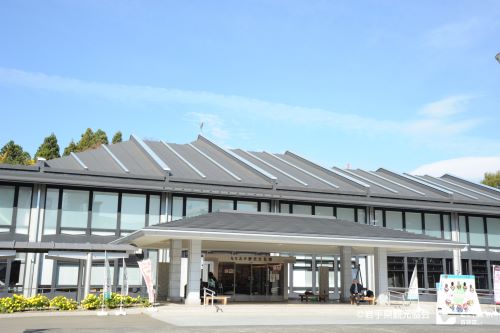
Morioka History and Culture Museum was opened in 2011 after expanding the old Iwate Prefectural Library. Short films, panels, and items related to Morioka’s Three Biggest Festivals are exhibited. You will be amazed by the 9-meter-tall festival float and the splendidly decorated Chagu Chagu Umakko horses (チャグチャグ馬コ) displayed here (see the photos in the Instagram post)!
Even if you aren’t interested in old items, visit Castle Town Emaki Theater (城下町絵巻シアター). The short film of the procession of feudal lords and the bustling castle town on the giant 8-meter-long screen is a must-see in the museum.
Tip: The Morioka History and Culture Museum has a town information center that provides the latest tourist information.
On the second floor, the exhibits together will paint a good picture of the Morioka Domain in the Edo period, including the castle and the castle town. Items and treasures related to the Nanbu clan, who ruled the Morioka Domain, can also be found. For example, the samurai armor and the beautiful kimonos worn at the time are displayed. There is even an old cannon!
Morioka History and Culture Museum’s Opening Hours, Admission Fee, and Access Information
- Morioka History and Culture Museum is open from:
- 9 am to 7 pm from April to October
- 9 am to 6 pm from November to March
- The museum is closed on the 3rd Tuesday of each month, the 31st of December, and the 1st of January.
- If Tuesday is a public holiday, it will close the next business day.
- The admission fee to enter the 2nd floor is:
- 300 yen for adults
- 200 yen for senior high school students
- 100 yen for elementary and junior high school students
- The closest bus stop to the museum is Kenchō Shiyakusho-mae (県庁・市役所前). From Morioka Station, it is around a 20-minute walk.
Tip: If you have a valid Dendenmushi One-Day Free Pass, show it for a discount on admission to Morioka History and Culture Museum.
Sakurayama Shrine (櫻山神社)
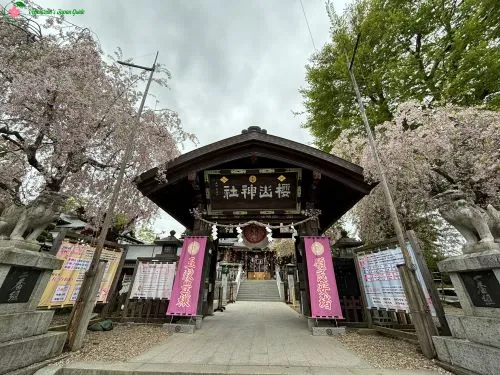
While you stroll in the vast park, don’t forget to stop by the Sakurayama Shrine in the park’s north end. It is a tranquil “power spot” nestled at the base of the Morioka Castle Ruins Park. Despite the history, the small shrine’s most awe-inspiring feature is the Eboshi-iwa, a massive, 7-meter-tall “Gale Rock” resembling a traditional court noble’s hat and said to protect the city from disaster. Moreover, there is a sacred stone turtle said to grant longevity and health to those who pay their respects!
For more information, refer to our Sakurayama Shrine article!
Discover the Must-Visit Attractions in Morioka
When you hear of Morioka, wanko soba noodles, and Morioka cold noodles are probably the first two things that come to mind. But the city isn’t just about food. It also has many cultural attractions, hot springs, nature and more!
So refer to our Morioka article for ideas about where to stop by when visiting Iwate Prefecture’s capital city!