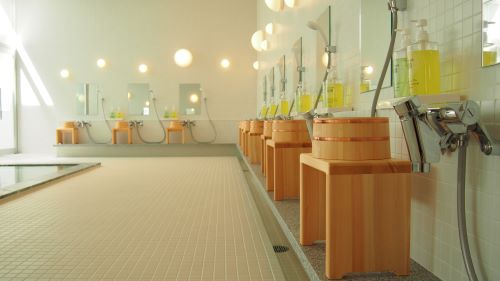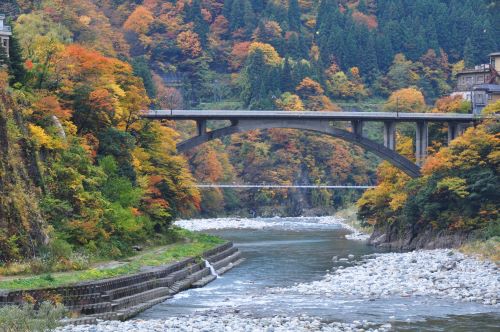
To visit Naruko Onsen-kyō is to step into a landscape where the earth’s power and human tradition exist in perfect harmony. Known as the “Department Store of Hot Springs,” this historic village boasts over 400 unique spring sources, offering an incredible eight out of Japan’s eleven recognized mineral water types, including the legendary, silky “Eel Water” of Nakayamadaira. But the sensory experience doesn’t stop at the baths. The air here is filled with the gentle scritch-scratch of master artisans carving Naruko Kokeshi dolls, a craft that has defined the town’s identity for centuries. Whether you are catching the stunning views of the koinobori dancing over Naruko Dam in the spring or the fiery maples of the gorge in autumn, Naruko Onsen-kyō offers a deep immersion into the soulful beauty of Northern Japan.
All You Need to Know Before Visiting Naruko Onsen-kyō
- The Five Hot Spring Areas in Naruko Onsen-kyō
- Find Your Perfect Match: Springs by Benefit in Naruko Onsen
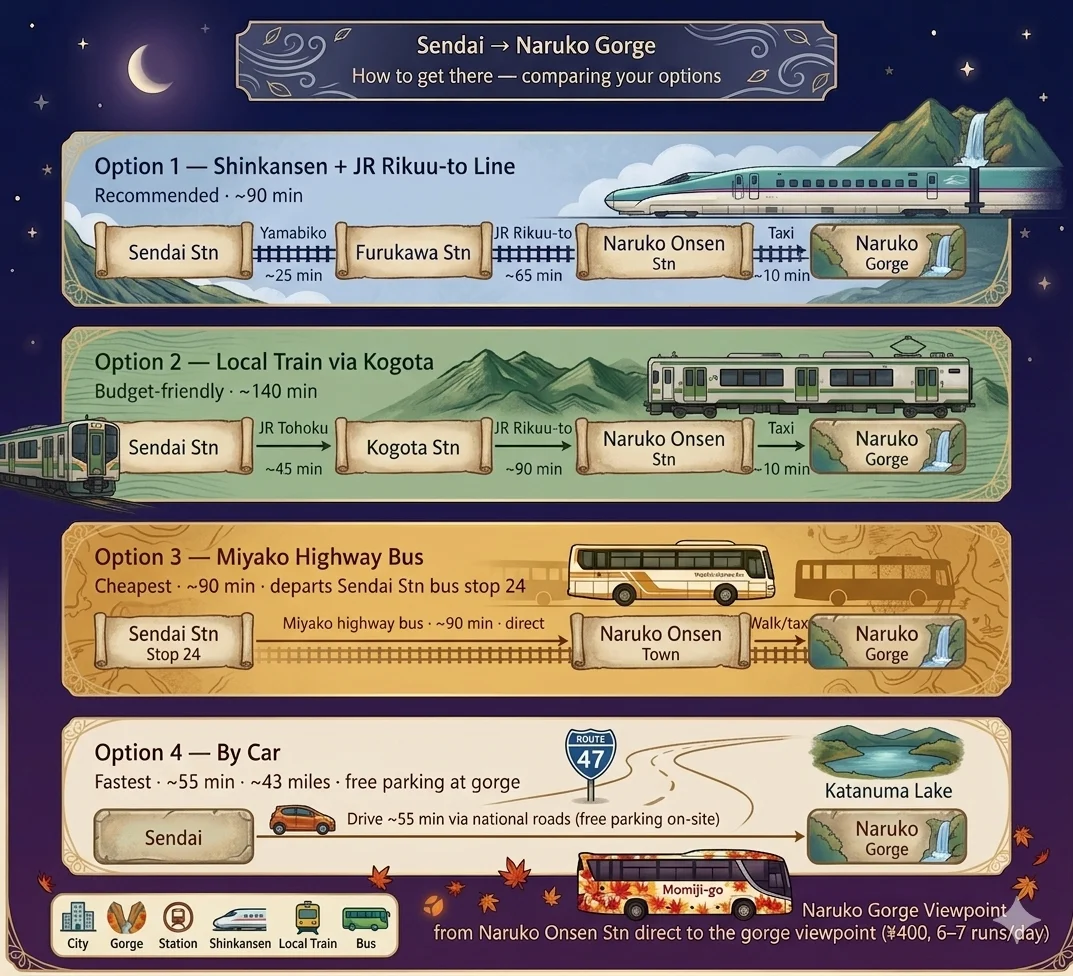
- How to Get to Naruko Onsen from Sendai
- Where to Eat at Naruko Onsen
- What to Do in Naruko Onsen on a Rainy Day?
- Naruko Onsen-kyo Information Center (鳴子温泉郷観光案内所)
- Naruko Waseda Sajikiyu (鳴子・早稲田桟敷湯)
- Cafe Gutto (カフェ・グット): Where Traditional Naruko Crafts Meet Modern Cafe Culture
- Mochidokoro Fukase (餅処 深瀬): The Shop for Kuri Dango Rice Cake
- Omiyage-no-mise Narumi (おみやげの店 なるみ): Where You Shop for Souvenir
- Sakurai Kokeshi (桜井こけし店)
- Shimojigoku Gensen Foot Spa (足湯 下地獄源泉)
- Taki no Yu (滝の湯): The Sacred “God’s Water” of Naruko
- Naruko Onsen Shrine (鳴子温泉神社)
- Explore the Stunning Naruko Gorge (鳴子峡)
- Kawatabi Onsen Rape Blossoms Flower Field (川渡温泉河川敷菜の花畑)
- The Former Yubikan and Its Garden (旧有備館および庭園): A Samurai Detour
- Roadside Station A la Date Michi no Eki (あ・ら・伊達な道の駅)
Tip: If you are vegan or vegetarian, Musubiya offers vegan/vegetarian rice balls. It is also a spot for anyone who wants to enjoy the region’s delicious rice. Arrive early or make a reservation to avoid disappointment.
The Five Hot Spring Areas in Naruko Onsen-kyō
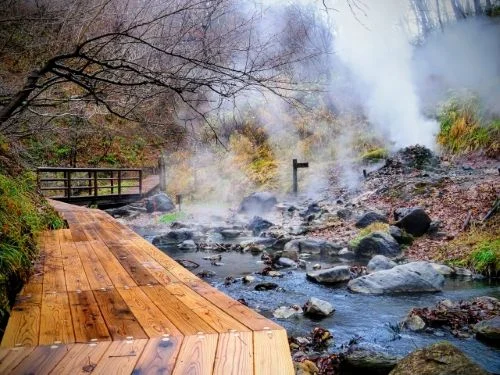
A visit to Naruko Gorge won’t be complete without exploring the onsen towns in the area. Naruko Onsen (Naruko Onsen-kyō), with its strong tradition of therapeutic bathing, offers a unique and healing experience for both mind and body. Located in Ōsaki City, Miyagi, the area consists of a 1,000-year-old cluster of five hot spring towns: Naruko (鳴子), Higashi-Naruko (東鳴子), Kawatabi (川渡), Nakayamadaira (中山平), and Onikōbe (鬼首). Incredibly, of the 11 types of mineral spring qualities found in Japan, 8 are right here (including sulfur, bicarbonate, and chloride springs).
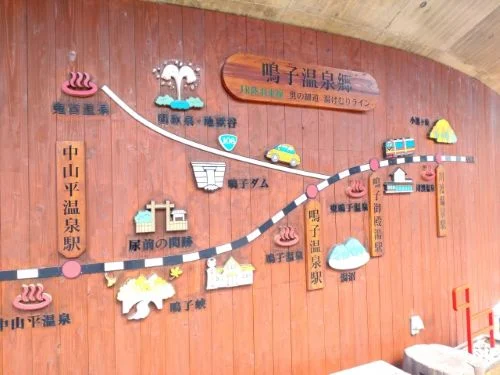
Moreover, the area has over 400 separate hot spring sources, making it a world-class destination for spa enthusiasts and those seeking natural healing while taking in the beauty of each season.
The area boasts a wide range of accommodations, from traditional inns to hotels, as well as numerous footbaths and public baths. The old-fashioned hot spring town is lined with souvenir shops and restaurants, allowing visitors to enjoy leisurely strolls and sample local food.
| Area | Signature Spring Quality | Best For… |
| Naruko (鳴子温泉) | Sulfur & Hydrogen Carbonate | Skin detox & classic “onsen” feel |
| Nakayamadaira (中山平温泉) | Alkaline Chloride (Eel Water, Unagi-yu) | Deep hydration & silky smooth skin |
| Higashi-Naruko (東鳴子温泉) | Sulfate & Bicarbonate | Stress relief & traditional healing |
| Kawatabi (川渡温泉) | Green Sulfur | Traditional therapeutic bathing |
| Onikobe (鬼首温泉) | Simple / Chloride | Gentle relaxation & highland views |
- Naruko Onsen (The Town Center)
- The most famous and bustling area. It is considered one of the “Three Famous Springs of Ōshu.”
- Highlights: The historic Taki-no-yu communal bath and “Kokeshi Street,” where you can hear the sounds of wood-carving from local workshops.
- Primary Spring: Sulfur & Hydrogen Carbonate
- Experience: This area has the most variety. You’ll find the classic “rotten egg” scent of sulfur here, especially at the historic Taki-no-yu. It’s the best place for those with skin issues seeking a powerful antibacterial effect.
- Higashi-Naruko Onsen (The Retro Retreat)
- A quiet, nostalgic area known for its Tōji (hot spring cure) culture.
- Highlights: Many inns here offer self-catering facilities, making it a great base for “Slow Travel” and plant-based travelers who prefer to cook their own local vegetables.
- Primary Spring: Sulfate, Sodium-Chloride, and Bicarbonate
- Experience: This area specializes in Tōji (healing stays). The waters here are often brown or dark-tinged (sometimes called “Black Water” or “Moor Springs”) because they are rich in ancient plant minerals. These are the Sulfate springs mentioned earlier—excellent for calming the nerves and reducing stress.
- Kawatabi Onsen (The Gateway)
- With over 1,000 years of history, this was the first spa opened in the area.
- Highlights: Famous for its pale green, sulfur-rich waters and beautiful rapeseed (Nanohana) fields along the river in spring.
- Primary Spring: Sulfur (Mildly Alkaline)
- Experience: Kawatabi is known for its beautiful olive-green water. It is a sulfur spring but is often considered a bit more mellow than the town center, traditionally used for treating “Beriberi” and other physical ailments. It’s perfect if you want the benefits of sulfur in a more rustic, quiet setting.
- Nakayamadaira Onsen (The “Unagi” Bath)
- Located closest to the Naruko Gorge, this area is world-renowned for its exceptionally thick, slippery water.
- Highlights: Known as Unagi-yu (Eel Water) because the water makes your skin feel as smooth and slippery as an eel. It is a “must” for skincare enthusiasts.
- Primary Spring: Sulfur, Sodium-Chloride, and Sulfate (Alkaline)
- Experience: This is where you find the famous “Unagi-yu” (Eel Water). It combines the moisturizing power of Chloride with the skin-softening effects of an alkaline base (pH 8.8–9.2). It is exceptionally slippery and thick, making it the top choice for hydration and skincare enthusiasts.
- Onikobe Onsen (The Highland Resort)
- Located in a volcanic caldera, this area feels more like a mountain resort.
- Highlights: Home to a famous Geyser (Kanketsusen) that blasts hot water high into the air at regular intervals.
- Primary Spring: Simple Thermal Springs / Chloride
- Experience: Because it is a highland resort area, the waters here are often Simple Thermal Springs—meaning they are mild, clear, and very gentle on the skin. They are great for families or those who want a long, relaxing soak without the intense “kick” of sulfur or high acidity.
Find Your Perfect Match: Springs by Benefit in Naruko Onsen
Naruko Onsen is a “Spa Department Store” precisely because of its variety. Here is a guide to choosing the right water for your specific needs:
For Dry or Sensitive Skin: Chloride Springs (塩化物泉)
- The Benefit: Intense hydration and heat retention.
- How it works: These waters are rich in sodium, magnesium, and calcium. The salts form a thin protective veil on your skin, preventing moisture from evaporating and keeping you warm long after you leave the bath.
- Best for: Those who feel the chill easily or struggle with dry skin during travel.
To Relieve Stress and Anxiety: Sulfate Springs (硫酸塩泉)
- The Benefit: Deep relaxation and “sedative” effects.
- How it works: Containing sulfate ions, these springs are known for their calming properties. Specifically, “Gypsum Springs” (rich in calcium) are highly effective at soothing the nervous system, helping to melt away mental fatigue and stress.
- Note: These waters can be potent; if you have very delicate skin, avoid staying in too long to prevent irritation.
For Skin Troubles & Detox: Sulfur Springs (硫黄泉)
- The Benefit: Powerful antibacterial and purifying properties.
- How it works: Recognizable by their distinct “boiled egg” aroma, these springs are excellent for treating skin conditions like eczema or acne. The sulfur acts as a natural disinfectant, clearing away bacteria from the skin’s surface.
- Note: Because of its high acidity and strength, those with sensitive or extremely dry skin should rinse off with a fresh-water shower after bathing to prevent any stinging.
How to Get to Naruko Onsen from Sendai
Before we dive into the hidden trails and the best photo spots in Naruko Onsen, let us go through the best way to reach this volcanic wonderland.
To help you navigate the transit schedules and shuttle routes with ease, we have put together a complete guide on How to Get to Naruko Onsen from Sendai. Whether you prefer the speed of the Shinkansen or the flexibility of a scenic rental car drive, start there to map out your journey before exploring the iconic views below. Seasonal tips and the best transport pass to help you save are also included!
Tip: You can enjoy views of Naruko Gorge from the windows of the JR Rikuu East Line. The most scenic stretch of the JR Rikuu East Line lies between Naruko-Onsen and Nakayamadaira-Onsen Stations. As the train emerges from the darkness of a tunnel, a breathtaking vista of the gorge suddenly fills the windows.
Where to Eat at Naruko Onsen
You must feel hungry after exploring Naruko Gorge and Naruko Onsen Town. So, here are two establishments where you can enjoy a taste of Naruko’s seasonal ingredients. Both are located within walking distance of the station and provide a cozy, authentic atmosphere.
For the Vegetarian Traveler:
☛ Egaho Shokudo is an excellent choice for those who want to experience Japan’s famous Sansai (wild mountain vegetable) culture. However, the dashi (soup stock) is most likely made with fish. So, ask for onigiri (rice balls) and vegetable side dishes if you are strict with your diet.
☛ If you prefer to have noodles, the well-made soba noodles at Sobadokoro Obana can be enjoyed with salt!
Egaho Shokudo (ゑがほ食堂)
Located just a stone’s throw from JR Naruko-Onsen Station, this local eatery is known for its “farm-to-table” approach to the seasons. The kitchen prioritises freshness, sourcing wild mountain vegetables in spring and local mushrooms in autumn.
The old lady who serves the customer is lovely and will make you feel at home.
- The Menu: While they offer a wide variety of Japanese comfort foods, including Chuka Soba (ramen), rice bowls (donburi), and curry, their specialty is noodle dishes.
- Signature Dish: The Sansai Kinoko Soba/Udon (山菜きのこそば・うどん) is a crowd favorite. It is topped with a generous portion of freshly picked wild greens and mushrooms, capturing the earthy flavors of the Miyagi mountains in a single bowl.
- Vibe: A classic, unpretentious “Shokudo” (dining hall) atmosphere where you can enjoy a hearty, warming meal alongside locals.
- Egoho Shokudo is open from
- 9 am to 2 pm
- 5 pm to 8 pm
- The restaurant is a 1-minute walk from JR Naruko-Onsen Station (鳴子温泉駅).
Important: Egoho Shokudo is mostly operated by one person. It will take time for your food to be served.
Sobadokoro Obana (そば処 小花)
Situated along the atmospheric Yunomachi Street (湯の街通り), Obana is a dedicated soba shop that prides itself on the purity of its ingredients. They serve traditional Nihachi Soba (a ratio of 8 parts buckwheat to 2 parts wheat), handcrafted using Naruko’s pristine local spring water.
Probably because the restaurant is tucked at the end of the main street, you can most likely be seated straightaway, even during the autumn foliage season.
Similar to Egoho Shokudo, Sobadokoro Obana’s customer service is top-notch. It almost resembles the hospitality at a traditional ryokan!
- The Menu: The menu focuses on elegant, clean flavors that highlight the texture of the hand-rolled noodles.
- Notable Dishes: For those seeking seasonal autumn flavors, they offer limited-time specials such as soba topped with wild Maitake mushrooms.
- Vibe: A refined yet welcoming shop that reflects the “Slow Travel” ethos—perfect for those who want to appreciate the craftsmanship of traditional Japanese noodles.
- Sobadokoro Obana is open from 11 am to 9 pm.
- The restaurant is a 3-minute walk from JR Naruko-Onsen Station (鳴子温泉駅).
What to Do in Naruko Onsen on a Rainy Day?
While Naruko is famous for its breathtaking mountain views, the weather in the Tohoku highlands can be unpredictable. However, a misty morning or a sudden downpour is no reason to postpone your plans. In fact, some of the village’s most atmospheric experiences are best enjoyed when the rain is falling outside. To ensure you make the most of every moment, even under an umbrella, see our curated guide on What to Do in Naruko Onsen on a Rainy Day. It is the perfect way to lean into the “Slow Travel” lifestyle and find sanctuary in the town’s most authentic indoor spaces.
Naruko Onsen-kyo Information Center (鳴子温泉郷観光案内所)
Located conveniently inside the JR Naruko-Onsen Station building, the Naruko Onsen-kyo Tourism Association (Information Center) is the essential first stop for you. Whether you need a physical map or advice on which hot spring facility to visit, the friendly staff here will do their best to help you plan your visit.
- Bus Schedules: Get the latest timetables for the “Momiji-go” (Autumn Leaves Bus) or the local buses heading to the Onikobe Geyser.
- Nature Timelines: They track the exact progression of autumn colors in the gorge or the blooming of seasonal flowers, so you don’t miss the peak views.
Note that the sale of Hot Spring Pass, Yumeguri Ticket (湯めぐりチケット), has been suspended until further notice from May 1, 2026. The sale of the discount wooden clog, Geta Tegata (下駄手形), was terminated on March 31, 2024.
- Location: Directly inside the JR Naruko-Onsen Station.
- Hours: 8:30 am to 6 pm (Hours may vary slightly by season).
- Pro-Tip: Ask for the “Day Bathing Map.” This sheet highlights which hotels are currently accepting non-staying guests for the day, so you don’t have to walk to a closed entrance.
Naruko Waseda Sajikiyu (鳴子・早稲田桟敷湯)
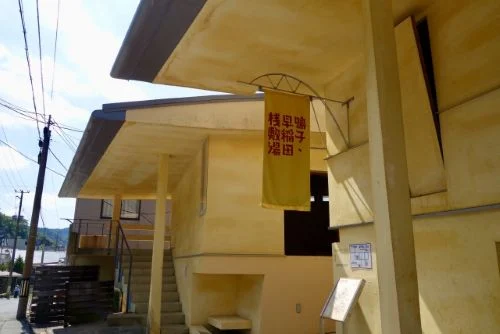
If you are looking for a hot spring experience that combines local history with striking modern architecture, Naruko Waseda Sajikiyu is an absolute must-visit. Located in the center of Naruko Onsen, this public bathhouse stands out for its bold, yellow-accented design and fascinating origin story. Moreover, it has a private bath you can rent for a small extra charge!
Check out our comprehensive NarukoWaseda Sajikiyu Guide to plan your visit.
Cafe Gutto (カフェ・グット): Where Traditional Naruko Crafts Meet Modern Cafe Culture
Located just a minute walk from JR Naruko-Onsen Station, Cafe Gutto is more than just a coffee place. The stylish, modern cafe is an ideal spot to transition from a morning of hot spring hopping to a relaxing afternoon of local gastronomy.
Cafe Gutto has turned Naruko’s 200-year-old kokeshi doll tradition into a fun activity that all age groups will enjoy. Thus, the spot makes a great “first stop” before heading to the Japan Kokeshi Museum or the local workshops. You will get a hands-on appreciation for the patterns you will see on the larger wooden dolls later!
For more information about what to expect, refer to our Cafe Gutto article!
Mochidokoro Fukase (餅処 深瀬): The Shop for Kuri Dango Rice Cake
Upon arriving at JR Naruko-Onsen Station, the first scents to greet you aren’t just the sulfurous steam of the baths, but the sweet, warm aroma of simmering chestnuts. Before the midday rush begins, make your way to Mochidokoro Fukase, a century-old staple of the local food scene. While many sweets are designed for a long shelf life, Fukase remains committed to a “freshness-first” philosophy, crafting its dumplings every morning using local Miyagi rice and no preservatives. Because of the confectionery maker’s popularity, securing a box of their famous Kuri Dango is the essential first step of any visit. It will provide the perfect artisanal fuel for a day of exploring the village’s hidden kokeshi studios and forest trails.
However, a visit here requires a bit of strategy. So, refer to our Mochidokoro Fukase Guide before your visit!
Omiyage-no-mise Narumi (おみやげの店 なるみ)
Located just a short walk from JR Naruko-Goten-Yu Station, Omiyage-no-mise Narumi is a one-stop specialty shop with a wealth of local Miyagi flavors and crafts. It is particularly famous for being the home of Naruko’s most iconic sweet treat, Kuri Dango. As the shop is conveniently located near the station and the main bathhouses, it is an easy place to browse while waiting for your train.
The Star Confectionary: Kuri Dango (栗だんご)
The shop is most renowned for its freshly made Kuri Dango (Chestnut Dumplings), a soul food of the Naruko region. These are large, soft mochi dumplings wrapped around a whole, sweet roasted chestnut. They are served warm and smothered in a thick, glossy mitarashi (sweet soy) glaze. Unlike mass-produced souvenirs, Narumi’s dumplings are prized for their “freshly made” quality. The contrast between the fluffy mochi, the firm chestnut, and the warm, salty-sweet sauce is a highlight for any visitor.
Compared to the Kuri Dango sold at Mochidokoro Fukase, the ones at Narumi are slightly larger. Hence, the shop named their Kuri Dango, Ōguri Dango (大栗だんご).
Tip: Instead of purchasing a box to go, you can enjoy the warm Kuri Dango immediately at the small dining space.
- Shelf Life: Note that authentic Kuri Dango are best eaten on the day of purchase because the fresh mochi will harden over time.
- Vegetarian Friendly: The Kuri Dango is a fantastic plant-based snack option (mochi, chestnut, soy, sugar), making it highly recommended for vegetarians and vegans.
Other Popular Items Sold at Narumi
In addition to the Ōguri Dango, Omiyage-no-mise Narumi has a couple more must-buys that reflect the agricultural richness of the region for you to bring home.
- Ōguri Naruman (大栗なるまん): A favorite for those looking for a gift. These are brown sugar steamed buns (manju) filled with smooth red bean paste and a whole chestnut. Because they are individually wrapped, they are the most popular “box” souvenir for office colleagues or friends.
- Kuromaru (くろまる): A unique, modern twist on traditional sweets. These are jet-black buns made with bamboo charcoal, filled with rich black sesame and soy sauce paste and a honey-like center.
- Shisomaki (しそ巻き): These are rolls of sweet, walnut-filled miso wrapped in perilla (shiso) leaves and fried. They are popular as both a tea-time snack and a savory side dish for rice. The Shisomaki also comes with sesame and spicy flavors.
- Local Sake & Miso: Visitors often pick up bottles of regional sake and artisanal miso produced in the Osaki and Naruko areas, which are famous for their high-quality rice and water.
- Naruko Kokeshi: The shop carries a wide variety of these iconic hand-painted wooden dolls. Buyers range from serious collectors looking for traditional styles to tourists wanting smaller, modern “mini-kokeshi” or accessories.
- Kokeshi-Themed Stationery: For a more casual souvenir, items like the famous “Kokeshi Matches” (whose match heads are painted to look like little faces) and kokeshi-patterned masking tape are frequently purchased.
- Wild Mountain Greens & Mushrooms: Depending on the season, travelers often find dried or preserved sansai (mountain vegetables) and local mushrooms that reflect the “Slow Travel” essence of the region.
Omiyage-no-mise Narumi’s Business Hours and Access Information
- Omiyage no Mise Narumi is open from 8:30 am to 6 pm.
- The shop is a 2-minute walk from JR Naruko-Goten-Yu Station (鳴子御殿湯駅).
Sakurai Kokeshi (桜井こけし店)
Located a short walk from JR Naruko-Onsen Station, Sakurai Kokeshi Store is a great spot to stop by for those who want to see the evolution of Naruko’s most famous craft. The store functions as both a workshop and a boutique gallery. While it honors centuries of tradition, the workshop is widely recognized for bridging the gap between historical folk art and modern interior design. It is a place where you discover that traditional crafts aren’t stuck in the past but are living, breathing arts that continue to adapt.
A Legacy of Innovation: Beyond the Traditional Doll
The Sakurai family has been carving kokeshi dolls in Naruko for generations. While the Sakurai family has been masterfully carving “Naruko Style” kokeshi for generations, they have gained acclaim for applying these ancient woodworking techniques to entirely new forms.
- “Hiina (ひいな)” Wooden Dolls: Utilizing the delicate carving skills of kokeshi making, the store produces beautiful wooden Hina dolls (traditional dolls for Girl’s Day). These pieces feature soft, warm textures and gentle expressions that fit perfectly into modern home decor.
- The “NARUKO” Brand: This groundbreaking brand is a fusion of kokeshi woodworking and the 350-year-old tradition of Naruko Lacquerware. By combining the signature “roundness” of kokeshi with the chic, sophisticated finish of lacquer, they have created a stunning line of lifestyle goods. Look for unique items like side tables, candle stands, and interior accessories that boast a lustrous, high-end design.
- The “KOKESHI” Series: The workshop has gained international attention for its “KOKESHI” line, featuring minimalist designs, pastel colors, and natural wood finishes. These are designed to fit seamlessly into modern, Western-style homes rather than just traditional Japanese rooms.
- Seasonal Collections: You will often find limited-edition dolls that reflect the seasons, such as kokeshi themed after cherry blossoms, autumn leaves, or even Christmas.
Interactive Kokeshi-Painting Workshops
For those who want a hands-on experience, Sakurai Kokeshi offers a dedicated indoor space for Kokeshi Painting Workshops. Before painting the doll, you also have time to practice, making things go more smoothly when you are ready to be the kokeshi artist.
Remember to make a reservation through Sakurai Kokeshi’s Website if you want to participate.
- Personalized Souvenir: Under the subtle guidance of the staff, you can paint a face and patterns onto a blank wooden doll. Whether you want to recreate a classic look or design something completely modern, it is a meditative way to spend 45 minutes.
- Rainy Day Friendly: Since the workshop is entirely indoors and conveniently located near the station, it is a top recommendation for staying dry while staying inspired.
Sakurai Kokeshi’s Business Hours and Access Information
- Sakurai Kokeshi is open from
- 10 am to 5 pm on weekdays
- 9:30 am to 5 pm on weekends and public holidays
- The shop is a 3-minute walk from JR Naruko-Onsen Station (鳴子温泉駅).
Shimojigoku Gensen Foot Spa (足湯 下地獄源泉)
After exploring the town or hiking through the gorge, the Shimojigoku Gensen Footbath offers a perfect, cost-free way to experience Naruko’s famous waters. Located just a 4-minute walk from JR Naruko-Onsen Station, this spot is much more than a simple roadside rest area. It is a direct encounter with the earth’s geothermal power.
A Natural, Unfiltered Experience
The name “Shimojigoku” (Lower Hell) hints at the volcanic intensity beneath the surface. Here, the mineral-rich water is drawn directly from the source. You can watch the steam rise as the piping-hot spring water travels through traditional wooden troughs (kido), which naturally cool the water to a comfortable temperature by the time it reaches the bath.
- 100% Natural: The water is never diluted; you are soaking in pure, free-flowing volcanic minerals.
- Atmosphere: The water is often a beautiful milky white or slightly cloudy, accompanied by the distinct, soothing scent of sulfur that defines the Naruko experience.
Tip: Bring a small towel to dry your feet. You can also purchase a Naruko Kokeshi-themed towel from local shops, which makes a good souvenir.
Community and Comfort
This footbath serves as a cozy gathering spot for both locals and travelers. The facility is well-maintained with:
- Ample Seating: Large enough to accommodate about 8 people comfortably.
- Convenience: Equipped with benches, tables, and public restrooms nearby.
- Accessibility: It is adjacent to a large free parking lot (Yumeguri Parking), making it an easy “pit stop” if you are traveling by car.
Shimojigoku Gensen Foot Spa’s Opening Hours and Access information
- Shimojigoku Gensen Foot Spa is open from 9 am to 5 pm.
- Cost: Free.
- The free foot spa is a 4-minute walk from JR Naruko-Onsen Station (鳴子温泉駅).
- Location Tip: It is only a 2-minute walk from the famous Kokeshi Postbox, making it easy to hit two landmarks at once.
Taki no Yu (滝の湯): The Sacred “God’s Water” of Naruko
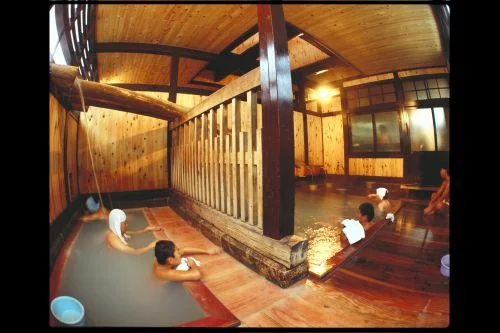
Standing at the spiritual and historical center of the town, Taki-no-yu is the oldest and most iconic public bathhouse in Naruko Onsen. It is a reconstruction of an Edo-period bathhouse, featuring a magnificent all-cypress construction. With a history spanning over 1,000 years as the sacred spring of Naruko Onsen Shrine, this rustic wooden bathhouse offers a pure, back-to-basics experience that lets you immerse yourself in the local bathing culture. Furthermore, Taki no Yu has a free footbath, making it ideal for travelers with limited time and a perfect spot to conclude Naruko sightseeing.
Refer to our detailed Visitor Guide to Taki-no-yu: Naruko’s Most Iconic Public Bath to plan!
Naruko Onsen Shrine (鳴子温泉神社)
Before indulging in the onsen at Taki no Yu, Naruko Onsen Shrine is a must-visit. It is where the bathhouse draws its hot spring water and is the historical starting point of the entire hot spring region. Established over 1,000 years ago following a massive volcanic eruption in 835 AD, the shrine was commissioned by the Imperial Court to honor the sudden emergence of the healing waters. For over a millennium, it has been the site where locals and travelers alike offer prayers of gratitude to the deities of the springs. As you climb the stone steps to the shrine, the sulfurous steam of the village fades, replaced by the scent of ancient cedars and mountain air.
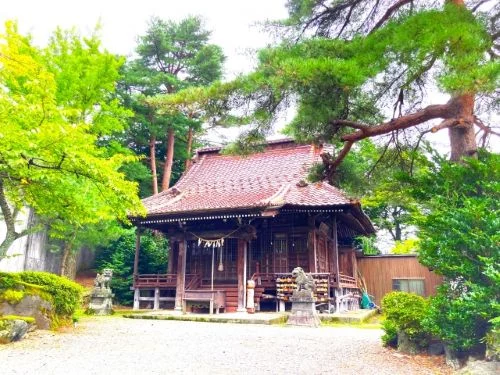
From the shrine precincts, you can look out over the rooftops of Naruko and watch the plumes of steam rising from the various bathhouses, a quintessential view of a Japanese hot spring town.
Explore the Stunning Naruko Gorge
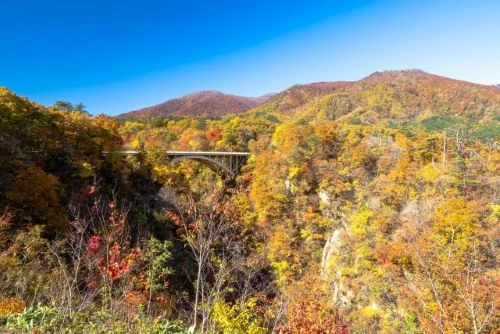
While the village itself is a sanctuary of steam and culture, the true majesty of the region’s volcanic landscape is best witnessed just a few kilometers away. Naruko Gorge is arguably the most iconic natural landmark in Miyagi, famous for its dramatic 100-meter-deep cliffs and the vibrant autumn colors that illuminate the valley. Whether you plan to hike the Ofukazawa Promenade or capture the classic shot of the train emerging from the mountainside tunnel, our dedicated guide to the gorge covers everything you need to know!
Onikōbe Onsen: Where You Witness the Volcanic Power
While the historic streets of Naruko offer a deep dive into traditional healing, the journey doesn’t end in the village. For those seeking the raw, untamed power of the earth, a short drive north leads to the Onikōbe Onsen district. Here, the landscape shifts from quiet bathhouses to soaring geysers, highland farms, and alpine ski slopes. To discover how to experience the volcanic energy of the Kurikoma National Park, check out our Full Guide to Onikōbe Onsen: Adventure in the Highlands.
Kawatabi Onsen Rape Blossoms Flower Field (川渡温泉河川敷菜の花畑)
At the entrance of the Naruko Onsen villages lies Kawatabi, a quiet hot spring district with a few traditional inns and a beloved communal bathhouse. Historically, Kawatabi was famous for its “leg-healing” waters, sought out by those suffering from fatigue or swelling. However, every spring, the focus shifts from the steam of the baths to the banks of the Eai River (江合川), where a vibrant carpet of rape flowers transforms the landscape.
The Kawatabi Onsen Rape Flower Field, located along the riverbed beneath the Kawatabi Bridge, is one of the most stunning seasonal highlights in the Naruko Onsen area in spring. The blooming of rape blossoms (nanohana) typically peaks from mid to late April. What makes this spot truly iconic is the fleeting intersection of colors: the vast sea of yellow flowers on the riverbed set against the delicate pink cherry blossoms lining the embankment and white snow on the peaks of Mt. Hanabuchi in the background. This overlapping scenery captures the intensity and brevity of the Tohoku spring. As the wind blows, the yellow flowers sway in unison, the petals of the cherry blossoms drift into the “golden sea,” and the river surface sparkles. It is a moment that feels like the very pulse of the land’s life force.
2026 Event Info: Nanohana Garden
More than just a tourist attraction, the Ōsaki Naruko Onsen Nanohana Garden Festival (おおさき鳴子温泉 菜の花ガーデン) is a deeply rooted community event. In 2026, the festival is scheduled from April 18th to April 26th.
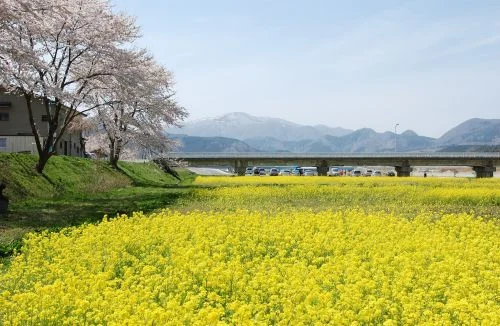
- Highlights: During the festival, the riverbed comes alive with kitchen cars serving local treats, live music, kite-flying workshops, and stamp rallies. It is a fantastic opportunity to mingle with locals in a relaxed, open-air setting.
- Authentic Flavors: The stalls don’t sell mass-produced snacks; instead, you’ll find the true bounty of spring. Expect local farmers selling hand-tilled vegetables, traditional pickles, mountain herbs (sansai), and rich miso. All products are shaped by the climate and the hands of the local people.
Kawatabi Onsen: The “Leg-Healing” Waters
The flower fields are located just a short walk from Kawatabi Onsen, one of the oldest hot spring areas in the Naruko cluster (dating back over 1,000 years).
- The “Olive-Green” Bath: Kawatabi is famous for its unique sulphur springs, which have a distinct green tint. Historically, it was nicknamed Kakke Kawatabi because the waters were believed to be particularly effective for healing leg ailments.
- The Communal Bath: There is an unmanned public bathhouse in the village where you simply drop your fee into a wooden box—a very authentic, old-school experience.
How to Get to Kawatabi Onsen Rape Blossom Flower Field
- Kawatabi Onsen Rape Blossoms Flower Field is a 20-minute walk (or 5-minute taxi) from JR Kawatabi-Onsen Station (川渡温泉駅).
- Parking: A temporary parking area is set up on the riverbed with space for about 40 vehicles.
Tips:
☛ Since the fields are on a riverbed, it can be quite windy. Bring a light jacket, even on sunny days. If you are visiting during the festival, look out for stalls selling local rice snacks. Ōsaki region is one of Japan’s premier rice-growing areas!
☛ Sunny weekends can get crowded with locals. Aim to arrive in the early morning to avoid crowds. The best shots are taken from the top of the embankment looking down toward the river, especially in the early morning when the light is soft, and the mountains are clear.
The Former Yubikan and Its Garden (旧有備館および庭園): A Samurai Detour
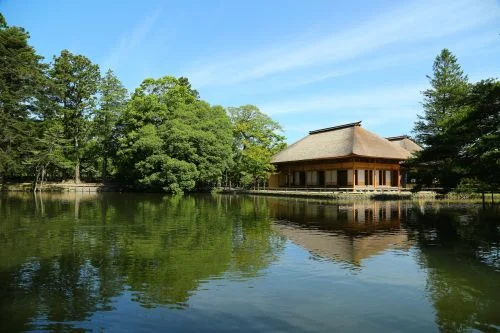
When traveling from Sendai or Furukawa toward Naruko Onsen, you will pass through Iwadeyama (岩出山), a town that holds profound significance in the history of northern Japan. The Former Yubikan and its Garden is a National Historic Site that served as the school for samurai. Long before the first kokeshi were carved in Naruko, this was the stronghold of the legendary Date Masamune. Today, you can wander through the meticulously restored thatched-roof halls and explore a 300-year-old strolling garden that “borrows” the dramatic castle cliffs as its backdrop—making it the perfect cultural counterpoint to a relaxing stay in the hot spring village.
Roadside Station A la Date Michi no Eki (あ・ら・伊達な道の駅)
Coming from Sendai, the second spot that you can stop by before reaching Naruko Onsen is Road Station A-la-Date-na Michi-no-Eki. It is consistently ranked among the most popular roadside stations in Japan, and the good news is that it is very close to JR Iketsuki Station (池月駅). Thus, it is the ultimate stop for lunch and souvenir shopping between the historic town of Iwadeyama and the volcanic landscapes of Naruko Gorge.
The roadside station is famous for its massive Farmer’s Market, where Ōsaki Plain’s fresh produce is sold, including seasonal vegetables, Miyagi-grown rice, and mountain herbs picked fresh from the surrounding hills. There is also a wide variety of regional sake from Miyagi’s famous breweries and locally fermented miso pastes, making it the best place to stock up on authentic, plant-based souvenirs.
Of course, the craftsmanship is on full display in the shops. You can find a curated selection of authentic Naruko Kokeshi dolls and the intricate Iwadeyama Bamboo Craft (Shinodake-zaiku), a local tradition for over 300 years.
For chocolate lovers, A la Date Michi no Eki houses a permanent Royce’ Chocolate shop. This is due to a long-standing “sister city” relationship between Iwadeyama and Tōbetsu in Hokkaido. It is one of the few places outside of Hokkaido where you can buy the full range of these famous chocolates, including seasonal exclusives.
Furthermore, roadside Station A la Date Michi no Eki also features an outdoor stage that frequently hosts local musicians, traditional dance, and seasonal festivals.
Tips:
☛ There is a comprehensive tourism desk with maps and updates on the current state of the autumn leaves in Naruko Gorge or the opening status of the local hot springs.
☛ During the peak autumn foliage season, this roadside station becomes incredibly busy. Arriving before 10 am is recommended if you want to snag the best fresh produce or the limited-edition Royce’ items before they sell out.
Roadside Station A la Date Michi no Eki’s Opening Hours and Access Information
- Roadside Station A la Date Michi no Eki is open from
- 9 am to 6 pm from March to November
- 9 am to 5 pm from December to February
- The roadside station is a 4-minute walk from JR Ikuezuki Station (池月駅).
Returning to the Capital: Continuing Your Journey in Sendai
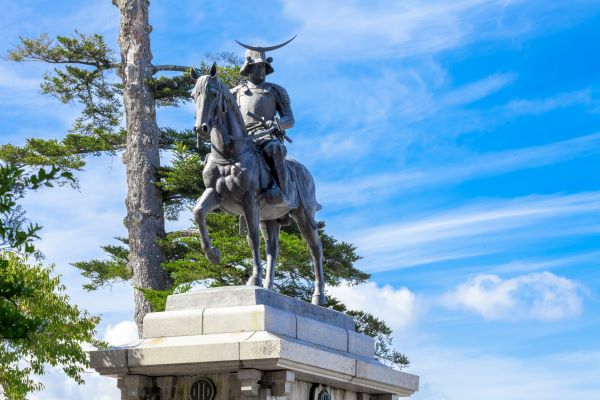
While the misty mountains and healing waters of the valley offer a perfect retreat, the gateway to this region remains the vibrant city of Sendai. As the largest city in Tohoku and the historic seat of the Date clan, Sendai is more than just a transit hub. It is a culinary and cultural destination in its own right. Before or after your retreat in the mountains, we recommend spending a few days exploring the city’s lush “City of Trees” boulevards, its legendary castle ruins, and its diverse plant-based dining scene. To plan your return to the city and discover the best urban spots to explore, check out our Complete Sendai City Guide for the perfect balance to your rural Tohoku adventure.