With its sheer 100-meter cliffs and the iconic sight of the JR Rikuu East Line emerging from a mountain tunnel, Naruko Gorge (Narukokyō, 鳴子峡) is a masterpiece of Japanese nature. Located just 60 to 90 minutes from Miyagi’s capital, it is widely considered one of the best day trips from Sendai. While most travelers flock here for the famous “train and bridge” photo, a much deeper experience awaits those who embrace slow travel. Beyond the main observation decks lie tranquil forest promenades, acidic crater lakes that change color with the light, and rustic hot springs with a millennium of history. Whether you are chasing the peak autumn colors in late October/early November or seeking a serene summer escape in Tohoku, we will show you how to make the most of your day trip with must-see spots and hidden gems most tourists miss.
What to Do and Where to Go in Naruka Gorge
- About Naruko Gorge: A Masterpiece of Nature
- Naruko Gorge Travel Cheat Sheet
- The Best Time to Visit Naruko Gorge
- How to Get to Naruko Gorge from Sendai
- The Iconic View: Ōfukazawa Bridge (大深沢橋)
- Narukokyō Rest House (鳴子峡レストハウス)
- Naruko Gorge Walking Trails: Ōfukazawa vs. Narukokyo Guide
- Katanuma Lake (潟沼)
- Jigokudani Walking Trail (地獄谷遊歩道) and Onikoube Geyser (鬼首かんけつ泉)
- Naruko Dam (鳴子ダム): A Landmark of Engineering and Natural Beauty
- Japan Kokeshi Museum (日本こけし館)
- Naruko Onsen (Naruko Onsen-kyō, 鳴子温泉郷): A Spiritual & Physical Retreat
- Finished Exploring Naruko? Sendai Next!
Tips:
☛ For those who want to avoid crowds in the autumn foliage season, early morning on weekdays is definitely the best time to go.
☛ If you are vegan or vegetarian, Musubiya offers vegan/vegetarian rice balls. It is also a spot for anyone who wants to enjoy the region’s delicious rice. Arrive early or make a reservation to avoid disappointment.
About Naruko Gorge: A Masterpiece of Nature
Located in Ōsaki City (大崎市) in northwestern Miyagi Prefecture, near the border with Yamagata, lies Naruko Gorge. This magnificent V-shaped canyon was carved out over eons by the erosive power of the Ōya River (大谷川), a tributary of the Eai River (江合川), which flows through the northern and central parts of the prefecture. The site features dramatic, sheer cliffs rising to 100 meters, stretching for approximately 2.5 km.
The gorge is nestled in the heart of the Naruko Onsen area (鳴子温泉エリア). With Nakayamadaira Onsen (中山平温泉) situated upstream and Naruko and Higashi-Naruko Onsen (鳴子温泉・東鳴子温泉) spreading out downstream, the gorge is surrounded by vibrant hot spring towns, making it a premier destination for those looking to combine natural wonders with a relaxing soak.
A Landscape of Seasonal Splendor
As part of the Kurikoma Okada National Park (栗駒国定公園), Naruko Gorge is a celebrated scenic spot, particularly famous for its stunning autumn foliage. The rugged rock faces are punctuated by unique rock formations and resilient trees, creating a powerful landscape that shifts in character with every passing season. When the deep canyon is blanketed in vibrant reds and golds, the stark white cliffs provide a breathtaking visual contrast.
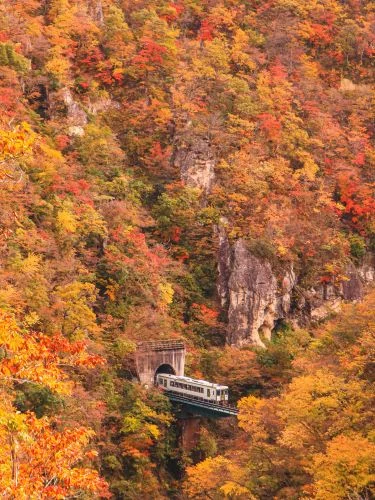
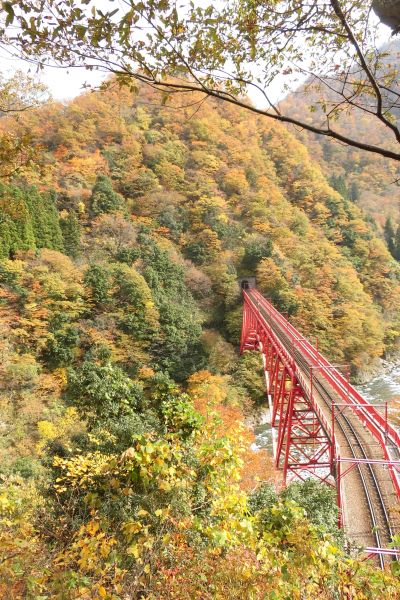
The beauty of Naruko Gorge isn’t just in the colors, but in its incredible depth. Because the slopes face different directions, sunlight reaches the trees at different times, creating a “time lag” in the timing of foliage maturation. You will see some trees reaching a brilliant crimson, while others are just beginning to turn. This staggered coloring creates a multi-dimensional tapestry of layers. From the observation deck, the scene unfolds like a massive, vibrant emaki (traditional Japanese picture scroll).
- Best Time to Visit: Typically from late October to early November.
- Prime Viewing Spots: The observation deck and lookout points at the Naruko Gorge Rest House offer the most breathtaking panoramic views of the entire area.
The Dramatic Train Reveal
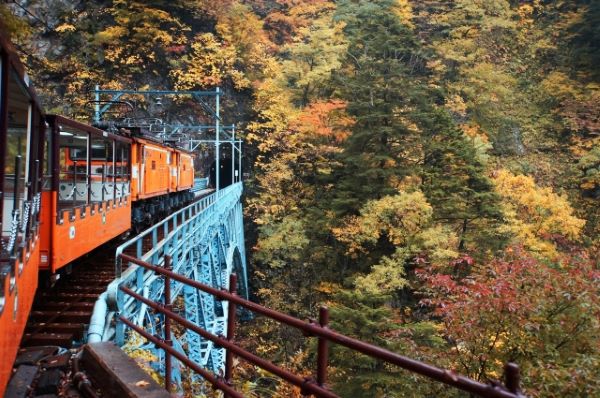
For a unique perspective, the JR Rikuu East Line offers stunning views of the gorge right from your train seat. The most scenic stretch lies between Naruko-Onsen and Nakayamadaira-Onsen Stations, spanning roughly 61 meters of track. The experience is truly cinematic: as the train emerges from the darkness of a pitch-black tunnel, a breathtaking vista of the gorge suddenly fills the windows, a view so vibrant it feels like a wake-up call for the senses.
Naruko Gorge Travel Cheat Sheet
| Category | Information |
| Best Time to Visit | Late October to Early November (Autumn) or May to June (Fresh Greenery) |
| Nearest Station | JR Naruko-Onsen Station (Rikuu East Line) |
| Access Tip | During peak autumn, use the “Koyo” shuttle bus from the station to the gorge entrance. |
| Local Specialty | Chestnut Dango (Kuri Dango) — sweet, sticky rice balls filled with whole chestnuts. |
| Safety Note | Gorge trails typically close from late November through April due to heavy snow. |
The Best Time to Visit Naruko Gorge
Autumn is the best time to admire the beauty of Naruko Gorge. The fall foliage season at Naruko Gorge usually peaks from late October to early November. As the autumn peak approaches, the morning chill deepens, often draping the gorge in a thick, ethereal mist. There is a fleeting, magical moment when the fog lifts and sunlight pierces through, igniting the autumn colors all at once. It feels as though the valley itself is taking a breath.
During the peak, the morning and evening sun strike the jagged rock faces at just the right angle, dyeing the entire ravine in shades of burnt orange and gold. Visiting in the early morning allows you to avoid the crowds and truly savor the silence and the shifting colors of the landscape.
How to Get to Naruko Gorge from Sendai
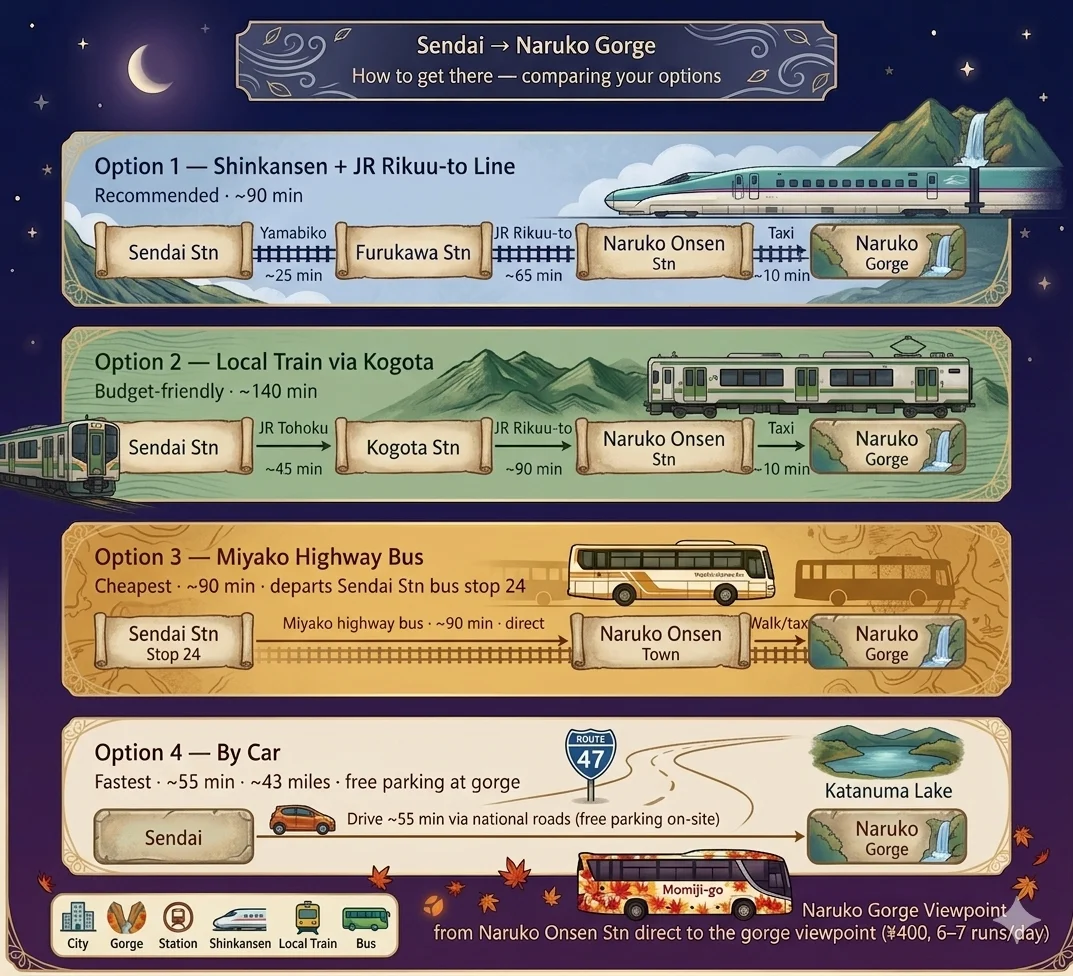
Before we dive into the hidden trails and the best photo spots in Naruko Gorge, let us go through the best way to reach this volcanic wonderland.
To help you navigate the transit schedules and shuttle routes with ease, we have put together a complete guide on How to Get to Naruko Gorge from Sendai. Whether you prefer the speed of the Shinkansen or the flexibility of a scenic rental car drive, start there to map out your journey before exploring the iconic views below. Seasonal tips and the best transport pass to help you save are also included!
Tip: You can enjoy views of Naruko Gorge from the windows of the JR Rikuu East Line. The most scenic stretch of the JR Rikuu East Line lies between Naruko-Onsen and Nakayamadaira-Onsen Stations. As the train emerges from the darkness of a tunnel, a breathtaking vista of the gorge suddenly fills the windows.
The Iconic View: Ōfukazawa Bridge (大深沢橋)
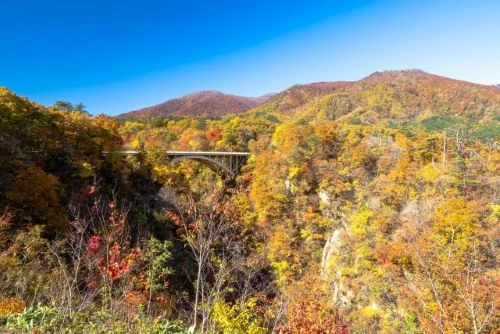
Most visitors come to the gorge for one specific reason: the breathtaking span of the Ofukazawa Bridge. Because this spot is so popular for its autumn colors and ‘train on the bridge’ views, we have created a separate, in-depth guide to Everything You Need to Know About Ofukazawa Bridge.
Start there for the best photo tips, then head back here to explore the hidden forest trails and volcanic gems of the wider gorge.
Narukokyō Rest House (鳴子峡レストハウス)
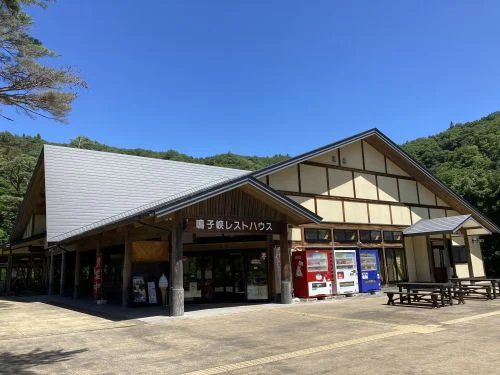
Naruko Gorge Rest House is the central hub for visitors exploring the area. The Rest House is located right at the entrance to the gorge. It serves as the primary base for dining, shopping, and admiring the Ofukazawa Bridge, which blends seamlessly into the gorge’s dramatic landscape. Moreover, Narukokyo Rest House serves as the primary gateway to the Ōfukazawa Promenade. Because the facility features multiple observation decks and lookout points, it remains a fantastic place for sightseeing and photography even during the busy autumn foliage season.
Check out our Complete Narukokyō Rest House Visitor Guide to make the most of your stop.
Naruko Gorge Walking Trails: Ōfukazawa vs. Narukokyo Guide
While the observation decks at Narukokyo Rest House offer a stunning overview, the best way to immerse yourself in the canyon’s volcanic beauty is to step onto the forest floor. Whether you prefer the peaceful, 2.2km Ōfukazawa Promenade loop through ancient beech trees or the dramatic, stair-filled descent of the Narukokyō Walking Trail to the river’s edge, there is a path for every pace.
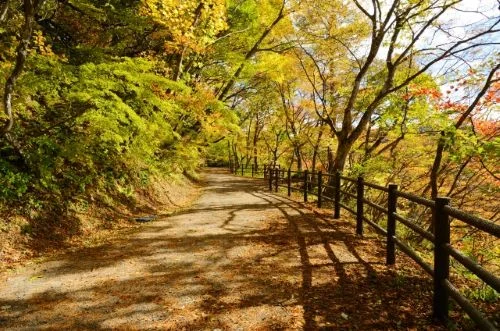
For a full breakdown of trail maps, safety updates, and what to expect while trekking the two trails, see our detailed Naruko Gorge Walking Trails: Ōfukazawa vs. Narukokyō Guide.
Katanuma Lake (潟沼)
Formed by volcanic activity approximately 1,200 years ago, Lake Katanuma is one of Japan’s rare, highly acidic caldera lakes. Nestled quietly among surrounding hills, the lake exudes an almost mystical charm. Its waters are known to shift colors depending on the season and time of day, occasionally glowing with a brilliant emerald green.
However, with a pH of around 2.0, almost no fish live in the lake. Katanuma Lake is also one of the most spectacular spots for autumn colors around Naruko Gorge.
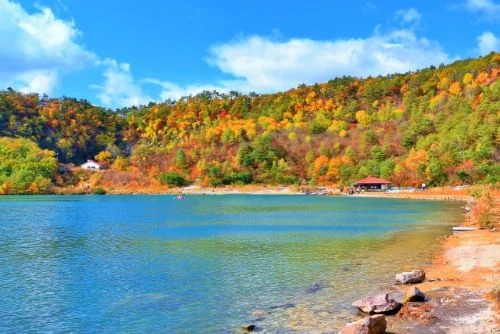
On the lakeshore, a gentle 1.3km promenade that circles the lake. It is a flat, easy walk that takes about 20 to 30 minutes to complete. The promenade offers a peaceful forest atmosphere, especially beautiful during the autumn foliage season.
You will also find Katanuma Lake Rest House (潟沼レストハウス) on the shore. It offers food and boat/SUP rentals, making it a perfect spot to rest.
You can also join Guided SUP & Canoe Tours offered by Awesome Tours. Using SUP or canoes, you can glide across the surface while learning about the volcano’s history and the unique acidic environment. These tours are designed for beginners, so you can enjoy the experience without worrying about falling in.
Tip: Don’t miss their specialty coffee made using the onsen water and the rich Black Sesame Soft Serve. Both pair perfectly with the serene lake views.
The “Mystic” Color-Changing Water at Katanuma Lake
The most famous characteristic of Katanuma is its shifting water color. Depending on the weather, the angle of the sunlight, and the white sulfur deposits on the lake bed, the water transforms between Emerald Green, Cobalt Blue, and Turquoise.
Because of this phenomenon, it is often referred to as a “mystic lake” where no two visits look exactly the same.
Pro Photography Tips:
☛ Visit on a clear, sunny day between 10 am and 2 pm. The high sun penetrates the water more, making the emerald and turquoise colours in your photos appear much more vivid!
☛ At sunrise, the geothermal steam rising from the water is illuminated, creating a shimmering white mist that makes the lake feel like a portal to another world.
How to Get to Katanuma Lake
- By Car: About a 10-minute drive from Naruko-Onsen Station.
- On Foot: It is a steep uphill walk from Naruko-Onsen Station that takes approximately 30 to 40 minutes).
- Seasonal Closure: The access road and the facilities at the lake are typically closed during the winter (late November to late April) due to heavy snow.
Driving Tips:
☛ When traveling to or from Higashi Naruko Onsen, visibility is poor. We strongly recommend staying as far to the left as possible and turning on your headlights.
☛ We recommend accessing Katanuma Lake from the east side. The road on the west side is extremely narrow.
Jigokudani Walking Trail (地獄谷遊歩道) and Onikoube Geyser (鬼首かんけつ泉)
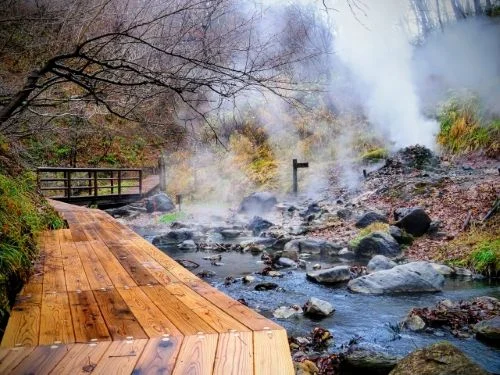
While the sheer cliffs of the gorge offer breathtaking views, the true heart of the region’s volcanic power lies just a short trip further into the highlands. In Onikōbe, you can witness nature’s raw energy firsthand at the Onikōbe Geyser, where boiling water spectacularly erupts 15 meters into the sky, and then explore the Jigokudani (Hell Valley) Walking Trail. This immersive path winds through a steaming landscape of hissing vents and boiling streams, offering an “earthy” contrast to the vertical beauty of the canyon. To see these geothermal wonders for yourself, check out our Full Guide to Onikōbe’s Volcanic Attractions.
Naruko Dam (鳴子ダム): A Landmark of Engineering and Natural Beauty
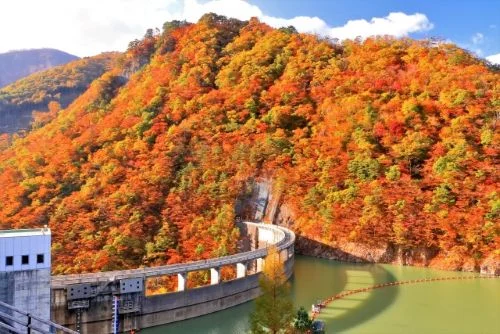
If you have an extra hour in your itinerary, a quick trip to the historic Naruko Dam is highly recommended. Located just a short drive from the main gorge, this 1957 engineering marvel offers a unique walkway across the dam’s crest. If you are visiting in early May, don’t miss the iconic ‘Sudare-mizu’ discharge, where snowmelt creates a stunning water curtain framed by hundreds of colorful carp streamers.
Check out our Naruko Dam Visitor Guide for details about the dam and on how to book a rare weekday tour of the control room.
Japan Kokeshi Museum (日本こけし館)
There are 11 traditional lineages of kokeshi dolls across Japan, with the Naruko style among the most prominent. A signature feature of these dolls is the charming ‘kyu-kyu’ squeaking sound they make when you turn their heads. The Japan Kokeshi Museum, located between Narukokyō Rest House and Naruko-Onsen Station, is dedicated to the traditional hand-painted wooden dolls that originated in the Tohoku region. In addition to displaying approximately 5,000 traditional kokeshi dolls, the museum offers hands-on painting workshops where you can create your very own one-of-a-kind doll to take home.
- Massive Collection: The museum houses nearly 5,000 kokeshi dolls. This includes the famous Kaname Ito Collection, which features a vast array of regional styles, and dolls donated by the late Prince Nobuhito (高松宮宣仁親王).
- Live Demonstrations: Visitors can watch master artisans (called rokuro-sha) at work. You can see the incredible precision required to carve the wood on a lathe and the delicate brushwork used to paint the traditional floral patterns.
- The kokashi doll live demonstration mostly takes place on weekends from 9:30 am to 3:30 pm with a lunch break at 12 pm. Please refer to the Demonstration Schedule before visiting.
- Painting Workshop (Kokeshi-ezuke): For a hands-on experience, you can try painting your own kokeshi doll. This is a popular activity for travelers who want a personalized souvenir of their trip.
- Cost: 1,500 yen
- Time: Usually takes about 30–45 minutes.
- Booking: Please make a booking if you have 5 or more people in your group by sending an email to [email protected].
- The “Kokeshi Shrine”: Located on the museum grounds, this small shrine is dedicated to the spirits of the trees used to make the dolls and the prosperity of the artisans.
Kotai Myojin Shrine (皇太明神神社)
Located right next to the Japan Kokeshi Museum, Kotai Myojin Shrine has a deep historical connection to kokeshi dolls, as it originally enshrined the patron deities of woodturners. Because the woodturning lathe (or rokuro) is characterized by its spinning motion, the shrine has become a popular spot for those seeking good luck. It is believed that as the lathe turns, so too does one’s fortune, “turning” bad luck into good luck and bringing a cycle of wealth.
Japan Kokeshi Museum’s Opening Hours, Admission Fee, and Access Information
- Japan Kokeshi Museum is open from 9 am to 4 pm from April to December.
- The last admission is at 3:30 pm.
- The admission fee is
- 500 yen for adults
- 300 yen for senior high school students
- 200 yen for junior high school
- 150 yen for elementary school students
- The museum is a 30-minute walk from Narukokyo Rest House. From Naruko-Onsen Station, it will take around 40 minutes on foot.
- Parking: There is a large free parking lot available, which can serve as an alternative if the main Naruko Gorge lots are full during the autumn peak.
Important: The approach to the Japan Kokeshi Museum involves a steep hill. Using a taxi is highly recommended.
Naruko Onsen (Naruko Onsen-kyō, 鳴子温泉郷): A Spiritual & Physical Retreat
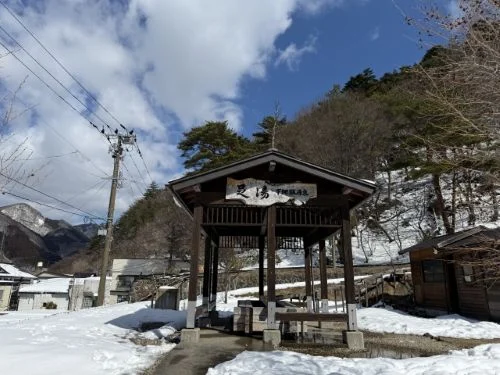
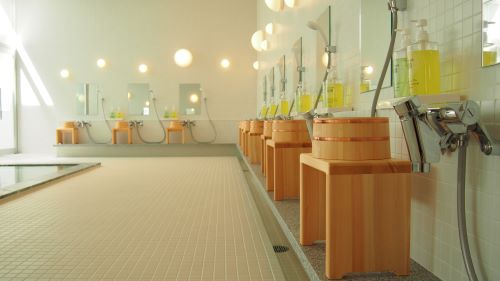
A visit to Naruko Gorge won’t be completed without exploring the onsen towns in the area. Naruko Onsen, with its strong tradition of therapeutic bathing, offers a unique and healing experience for both mind and body. Located in Osaki City, Miyagi, the area consists of 1,000-year-old cluster of five hot spring towns. Moreover, the area has over 400 separate hot spring sources, making it a world-class destination for spa enthusiasts and those seeking natural healing while taking in the beauty of each season.
For a full breakdown of the five different spa towns, check out our Ultimate Naruko Onsen Village Guide.
Finished Exploring Naruko? Sendai Next!
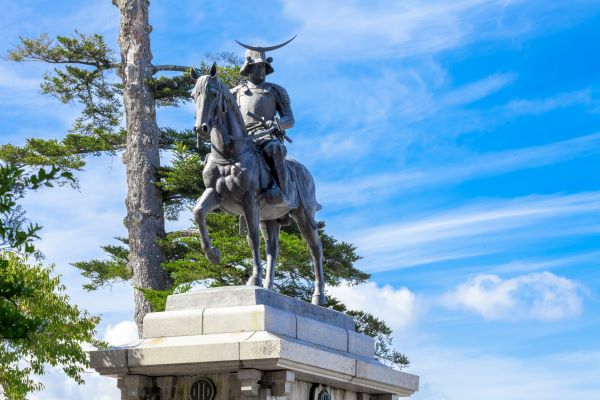
Your Miyagi adventure doesn’t have to end at Naruko Gorge! In fact, most journeys to the gorge begin or end in Sendai, the “City of Trees.” Beyond being a major transportation hub, Sendai is a cultural treasure trove, home to the legacy of the samurai lord Date Masamune. Whether you are visiting the breathtaking Zuihoden Mausoleum or the ruins of Aoba Castle, Sendai offers a deep dive into history that perfectly complements your nature-filled trip to Naruko.
See why Sendai is the heartbeat of Northern Japan in our Full Sendai Travel Guide.