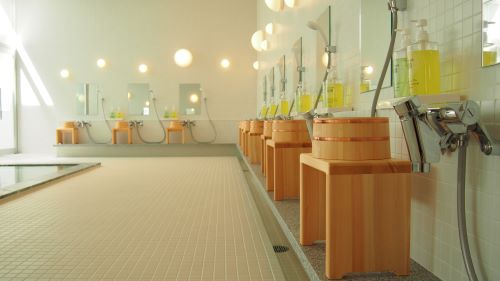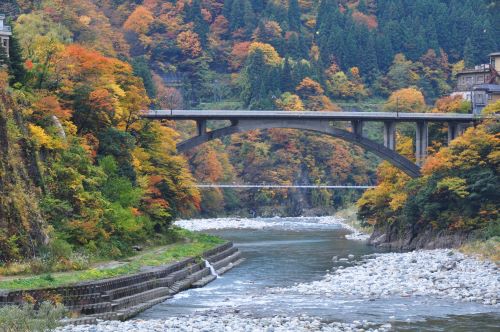
Nestled in the heart of the historic Naruko Onsen-kyō, the Naruko Waseda Sajikiyu (鳴子・早稲田桟敷湯) stands as a striking testament to resilience, gratitude, and architectural innovation. Unlike the rustic, traditional bathhouses typically found in northern Japan, this avant-garde facility greets visitors with bold yellow accents and soaring cathedral-like ceilings. Its origin is just as remarkable: a “gift of chance” discovered by Waseda University engineering students during the post-war recovery. Today, it remains a beloved community landmark where travelers can soak in powerful, hand-excavated sulfur and sulfate waters while reflecting on a human story story spanning generations.
The Story of Naruko Waseda Sajikiyu: A Post-War Gift from Students
The history of Naruko Waseda Sajikiyu is a testament to the town’s resilience and the spirit of youth. In 1948, during the chaotic years following World War II, Naruko was a hot spring town in desperate need of new thermal sources to revitalize its local economy.
It was when a group of engineering students from Waseda University in Tokyo arrived for a drilling exercise and successfully struck a powerful new spring. This discovery was a turning point for the area, and in honor of the university’s contribution, the town named the facility Waseda Sajikiyu.
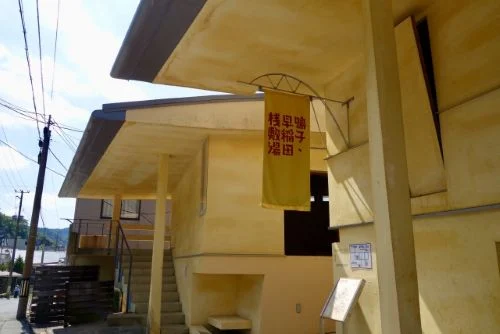
This story remains one of the most striking episodes in the history of Naruko Onsen-kyo, symbolizing the hot springs as a gift of chance. As you soak in the mineral-rich waters, it is easy to imagine the scene from the Showa era when students drenched in sweat, working with raw determination to find this source. Knowing that these waters were unearthed by human effort gives the heat a certain humanity and warmth that lingers long after you leave the bath.
In 1998, to celebrate its 50th anniversary, the building was completely renovated into the avant-garde structure you see today, designed by an architect who was also a Waseda alumnus. The bathhouse also undergone another renovation in late 2024.
Why “Sajikiyu”?
The name itself is a tribute to the land’s heritage. The site where the students discovered the spring was formerly the location of a traditional “Shibaigoya” (playhouse). In Japanese theater, the tiered gallery seating is called Sajiki (桟敷席). To honor the memory of the cultural hub that once stood there, the name “Sajikiyu (Theater Seat Bath) was born, creating a unique link between the performing arts and the healing waters.
The Water: Sulfur and Vitality
The water at Waseda Sajikiyu is a complex blend classified as a Sulfur-Sodium-Sulfate/Chloride spring (Hypotonic Neutral High-Temperature Spring). It is directly drawn from the source discovered by those students decades ago. The moment you step inside, the distinct aroma of sulfur fills the air.
- The Experience: The water is known for its high temperature and potent mineral content. It has a subtle sulfur aroma and is highly regarded for its ability to warm the body to the core and treat skin conditions.
- The Architecture: Unlike traditional, rustic bathhouses, the interior features high ceilings, dramatic use of wood and concrete, and a large “Sajiki” (viewing gallery or balcony) area that feels more like a theater than a spa.
The water combines three powerful properties:
- Sulfate (The Water of Regeneration): Traditionally known as “Kizu-no-yu” (Water for Wounds, 傷の湯), it is believed to aid in skin regeneration and healing.
- Chloride (The Water of Warmth): Known as “Atatamari-no-yu (温まりの湯),” it helps your body retain heat long after you step out of the bath, keeping you comfortably warm to the core.
- Sulphur (The Softener): The addition of sulphur creates a soft, gentle texture on the skin and provides the iconic, soothing fragrance.
The Bathing Experience at Naruko Waseda Sajikiyu: Intense and Soul-Warming
Follow the staircases at the building entrance, and you will reach the resting area and the reception of the bathhouse underground. Please purchase a ticket from the vending machine and give it to the staff for admission.
Remember to leave your shoes and valuables in the free shoe lockers after you get your ticket.
The spring temperature at Naruko Waseda Sajikiyu is consistently on the hotter side, often hovering around 43°C (109°F).
- For Enthusiasts: It is an irresistible temperature for those seeking the robust, “authentic” heat characteristic of Naruko. As you soak, the warmth slowly penetrates to your bones, and the large wooden beams of the ceiling appear dreamily through the thick steam.
- For Beginners & Families: Because the heat is quite intense and there is no “lukewarm” bath option, it will be challenging for small children or those sensitive to high temperatures.
Key Features at Naruko Waseda Sajikiyu
- Public and Private: In addition to the large communal baths for men and women, a private rental bath (Kashikiri) is available for an extra fee, perfect for families or travelers who prefer a more intimate experience.
- Rest Area: After your soak, you can relax in the upstairs gallery area, which offers a great view and a place to cool down.
What to bring to Bathe at Naruko Waseda Sajikiyu
- A towel or purchase a Waseda Sajikiyu original towel as a souvenir
- Shampoo and conditioner
- Hairbrush
- Drinking water
- 100 yen coins if you plan to use the hair dryer.
Naruko Waseda Sajikiyu’s Opening Hours, Admission Fee, and Access Information
- Waseda Sajikiyu is open from 9 am to 9:30 pm.
- The last admission is at 9 pm.
- The cost is
- 660 yen for adults
- 330 for children
- An additional 1,100 yen per 50 minutes is charged for using the private baths.
- Waseda Sajikiyu is a 2-minute walk from JR Naruko-Onsen Station (鳴子温泉駅). It is very close to the “Kokeshi Street” shopping area.
Tips:
☛ Check with the staff to see if you can still get 100 yen off by showing your JR train ticket to Naruko-Onsen Station.
☛ You can park at Yumeguri Parking Lot (湯めぐり駐車場) nearby for free.
Discover Other Must-Visit Attractions in Naruko Onsen
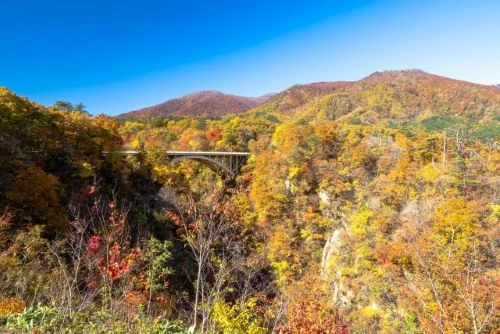
While the Waseda Sajikiyu is a highlight of the town center, it is only one piece of the vast “spa department store” that makes up this region. From the silky “Eel Water” of Nakayamadaira to the rustic healing traditions of Higashi-Naruko, four other unique hot spring areas are waiting to be discovered.
To plan your full itinerary, including the best plant-based dining stops like Musubiya, check out our comprehensive Ultimate Guide to Naruko Onsen: The Five Areas and Hidden Gems.