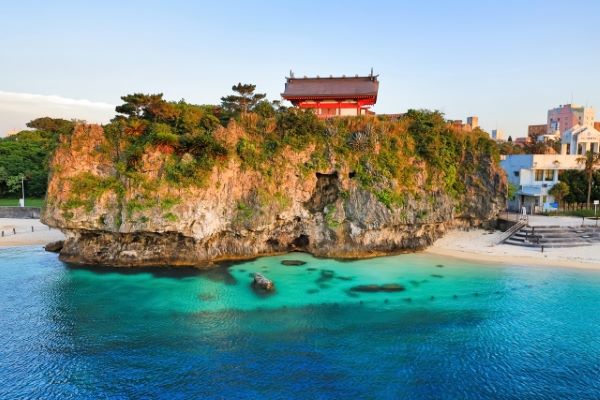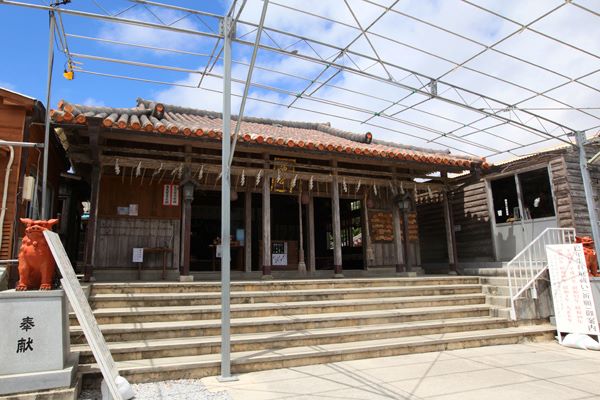
Perched on a forested hillside overlooking the steam-filled town, Naruko Onsen Shrine (Naruko Onsen Jinja, 鳴子温泉神社) serves as the silent, sacred guardian of the town’s healing waters. With a history deeply intertwined with the region’s volcanic activity, the shrine is dedicated to the deities of the hot springs, who are said to have gifted the village its life-giving thermal minerals following a massive eruption in the 9th century. A climb up the shrine’s stone steps offers more than just a panoramic view of the village rooftops. It provides a moment of quiet reflection away from the busy bathhouses. From the traditional kokeshi dolls left as offerings to the tranquil atmosphere of the surrounding cedar grove, Naruko Onsen Shrine is an essential stop for anyone wishing to understand the spiritual connection between the local community and the powerful earth magic that bubbles beneath their feet.
Naruko Onsen Shrine’s Legend of Yoshitsune and the “Crying Child”
The shrine’s history is deeply intertwined with the very origin of the town’s name. According to legend, during a massive volcanic eruption in the year 837, the mountain “cried out” with a thunderous roar as hot water began to gush forth. This sound was likened to a child’s cry, leading to the name Naru-ko (鳴子), which means “Crying Child.” The shrine was commissioned by the Imperial Court to appease the mountain spirits and honor the life-giving waters that followed.
While the name “Naruko” is often linked to the roar of the volcano, a more poignant legend is carved into the Nakiko-no-Hi (啼子之碑) monument near the shrine’s torii gate.
During the Genpei War (源平合戦), the legendary warrior Minamoto no Yoshitsune (源 義経) was fleeing toward Hiraizumi. His wife gave birth to their son, Kame-wakamaru (亀若丸), but the newborn failed to let out his first cry. It is said that once the baby was bathed in the warm springs of this village, he finally let out a healthy cry. The area was thus named Nakiko (Crying Child, 啼子), eventually evolving into the modern name Naruko.
A Place of Healing and Connection
The shrine is dedicated to Onamuchi-no-mikoto (大己貴命) and Sukunabikona-no-mikoto (少彦名命), deities often associated with medicine, nation-building, and healing. Because of its origins in birth and recovery, the shrine has become a popular pilgrimage site for blessings. Visitors often come to pray for Enmusubi (finding love/strengthening bonds), safe childbirth, and fertility.
Moreover, the sacred site shares a deep lineage with other famous “Onsen Shrines” across Japan, including those at Dogo Onsen (Ehime), Arima Onsen (Hyogo), and Nasu Onsen (Tochigi).
- The Goshinyu (Sacred Water): The hot spring water that flows through the famous Taki-no-yu bathhouse at the foot of the hill is considered “Sacred Water” granted by the shrine.
- Toji Culture: Historically, those embarking on a Toji (healing stay) would first visit the shrine to pray for recovery before entering the baths.
Naruko Onsen Shrine and Unique Kokeshi Connections
Naruko is the home of the traditional wooden kokeshi doll, and the shrine plays a central role in its culture.
- Unique Goshuin: Even the shrine’s Goshuin (temple seal) features charming kokeshi designs, making it a wonderful and unique memento for travelers.
- The Kokeshi Mound: Within the shrine grounds, you will find a dedicated “Kokeshi Mound” (Kokeshi-zuka). This is where old or broken dolls are brought to be ritually burned in a ceremony of gratitude, honoring the spirit of the wood and the artisan’s work.
- The Kokeshi Festival: Every 1st weekend in September, the shrine hosts the National Kokeshi Festival (全国こけし祭り). The most sacred moment is the Kokeshi Dedication Ceremony (こけし奉納式), where artisans offer their work to the gods.
Naruko Onsen Shrine’s Opening Hours and Access Information
- Naruko Onsen Shrine’s shrine office is open from 9 am to 4 pm.
- It is a 8-minute uphill walk from JR Naruko-Onsen Station (鳴子温泉駅) to Naruko Onsen Shrine. The staircase leading to the shrine is located immediately next to Taki-no-yu.
- If you plan to drive, there is a road leading up to the shrine’s torii gate.
From December to March, the stone steps may be closed due to snow for your safety. You will need to take a slight detour to the back of the shrine (on the former elementary school side) to enter the shrine grounds.
Explore the Full Magic of Naruko Onsen-kyo
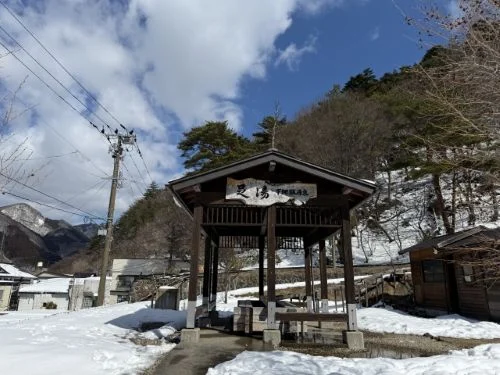
Paying your respects at the shrine is the best way to start a journey through the village, offering a deeper appreciation for the “miracle waters” you are about to enjoy. Once you descend the stone steps and return to the steam-filled streets, you will find a world of historic bathhouses and artisan workshops waiting to be explored.
To help you navigate the village’s many hidden corners, and to find the best baths for a post-shrine soak, explore our Complete Naruko Onsen Travel Guide!