Tucked away in a massive prehistoric caldera just north of central Naruko, Onikōbe Onsen (鬼首温泉) offers a more rugged, alpine contrast to the traditional streetscapes of the village center. Known as the “wilder side” of the Naruko Onsen-kyo area, this highland retreat is a place where the earth’s raw power is on full display. From the dramatic plumes of the Benten Geyser to the sprawling marshes and steaming “Hell” valleys that dot the landscape, Onikōbe is a perfect side trip to Naruko Gorge. Whether you are soaking in an open-air bath with views of the Mount Kamuro peaks or exploring the artisanal history of the region’s mountain dwellers, Onikōbe provides a sense of isolation and natural grandeur that is increasingly rare. It is a place where the volcanic heat of the earth meets the cool, crisp air of the Tohoku highlands, creating a perfect year-round destination for hikers, skiers, and seekers of quietude alike.
What to Do in Onikōbe Onsen
- Jigokudani Walking Trail (地獄谷遊歩道)
- Onikoube Geyser (鬼首かんけつ泉)
- Supa Onikōbe-no-Yu (すぱ鬼首の湯): Soaking in the Wild Highlands
- Onikobe Ski Resort (オニコウベスキー場): A Four-Season Highland Adventure
- Kamuro Farm (カムロ農園): Pesticide-Free Flavors Under the Peak of Mt. Kamuro
Tip: If you are vegan or vegetarian, Musubiya offers vegan/vegetarian rice balls. It is also a spot for anyone who wants to enjoy the region’s delicious rice. Arrive early or make a reservation to avoid disappointment.
How to Get to Onikōbe Onsen from Sendai
To get to Onikōbe Onsen from Sendai, you need to get to JR Naruko-Onsen Station (鳴子温泉駅) first. From there, you can also take the Onikōbe Line (鬼首線) of Ōsaki City Bus(大崎市営バス) and get off at Kanketsusen-mae (かんけつ泉前). Then walk for 10 minutes to the trailhead.
- The bus trip takes around 40 minutes.
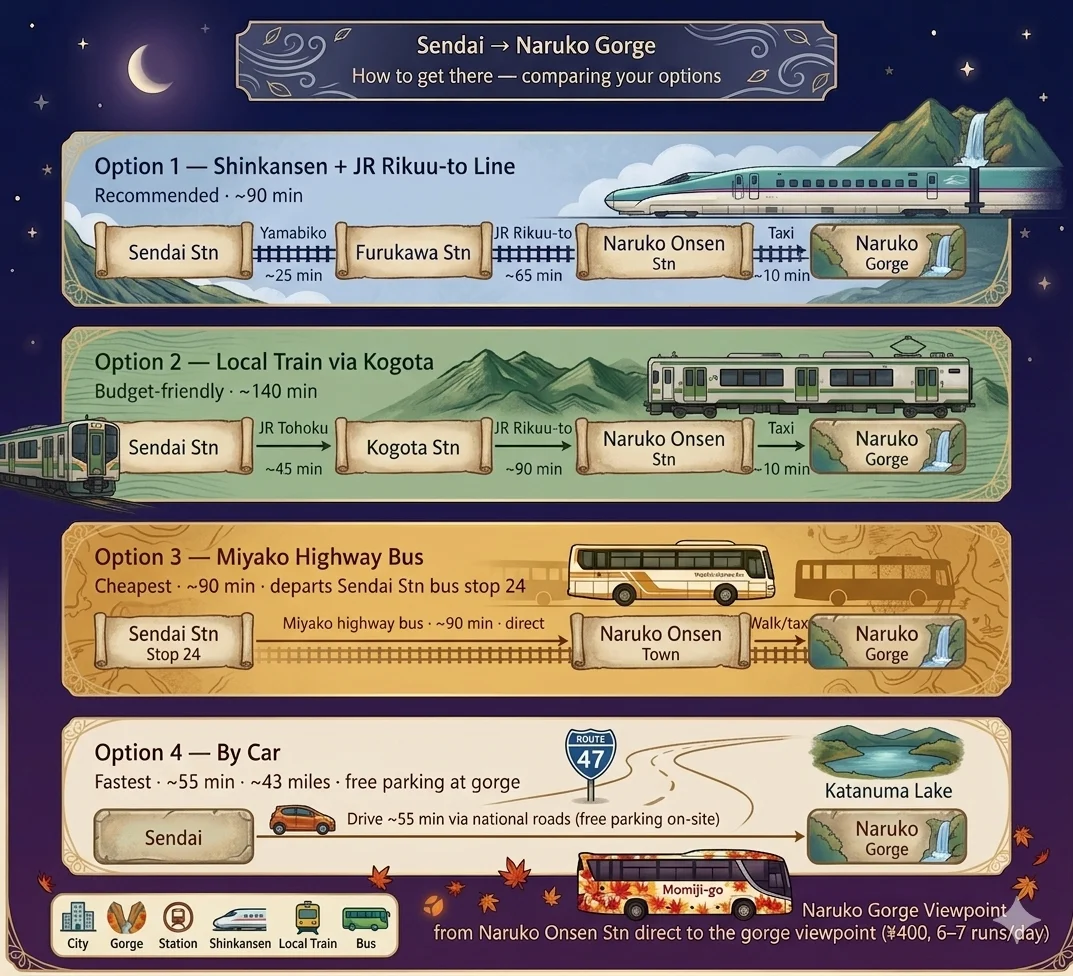
To help you navigate the transit schedules and shuttle routes with ease, we have put together a complete guide on How to Get to Naruko Gorge from Sendai.
Jigokudani Walking Trail (地獄谷遊歩道)
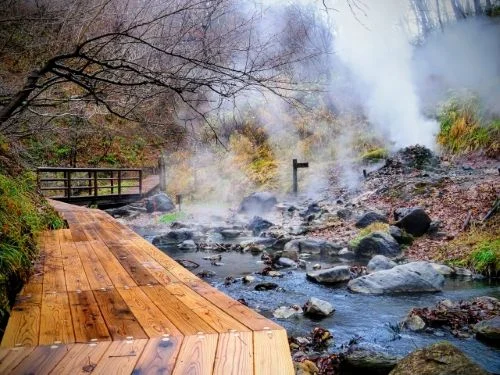
The Jigokudani (Hell Valley) Walking Trail offers a unique trekking experience through a rugged canyon where hot springs burst from the ground with a roar, creating a scene that truly lives up to its name. This trail offers a raw, powerful look at Japan’s volcanic nature, making it a standout “hidden gem” if you want to experience something more visceral than a typical forest walk.
Walking through the steam rising from over a dozen vents of all sizes, you will feel the magnificent hidden power of nature and the raw energy of the earth beneath your feet.
Please be careful not to touch the spring water, as it reaches scorching temperatures of around 80°C. The heat is put to good use near the “Murasaki Jigoku” (Purple Hell, 紫地獄) area, where visitors enjoy making their own soft-boiled “onsen eggs” using eggs brought from home.
- Effort Level: Easy to Moderate. The path follows the valley floor, but the ground can be uneven, damp, and slippery due to the constant steam and spray.
- Walking Time: A leisurely round trip takes about 30 to 40 minutes.
- Footwear: Because the trail is often wet from steam condensation, shoes with good traction (like the Salomon X Ultra model) are highly recommended.
- Winter Closure: Like most outdoor attractions in the region, it is also strictly closed during the heavy snow months (late November to late April).
- While in Japanese only, refer to HERE for a visual map of the Jigokudani Walking Trail.
The “Hellish” Atmosphere at Jigokudani Walking Trail
The name “Jigokudani” (Hell Valley) comes from the numerous steaming vents and bubbling hot springs scattered along the valley floor. As you walk, you are surrounded by the sound of hissing steam and the sight of thick white clouds rising from the earth.
- Volcanic Energy: There are over 10 active hot spring vents along the trail.
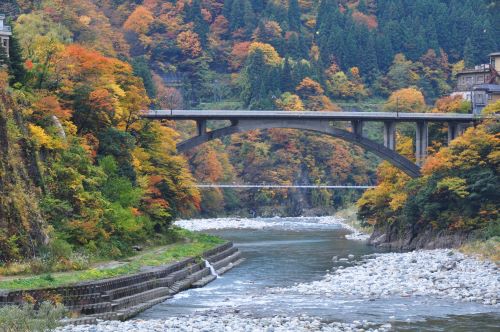
- Vibrant Contrast: In autumn, the combination of brilliant autumn leaves and ethereal white steam creates a dramatic, otherworldly landscape that is a favorite among photographers.
How to Get to Jigokudani Walking Trail
- Jigokudani Walking Trail is located in the Onikōbe area, about a 20-minute drive from Naruko-Onsen Station.
- From Naruko-Onsen Station (鳴子温泉駅), you can also take the Onikōbe Line (鬼首線) of Ōsaki City Bus(大崎市営バス) and get off at Kanketsusen-mae (かんけつ泉前). Then walk for 10 minutes to the trailhead.
- The bus trip takes around 40 minutes.
- There are only 6 services per direction. Refer to Ōsaki City’s website for the bus timetable.
Onikoube Geyser (鬼首かんけつ泉)
Since you have travelled to the Onikōbe area, you can combine the Jigokudani Walking Trail with a visit to the Onikōbe Geyser (Kanketsusen) nearby. The park features two distinct types of geysers that erupt at regular intervals, each with its own unique character:
- Benten (弁天): The Powerhouse
- Eruption Height: Sends a massive column of hot water up to 15 meters (approx. 50 feet) into the air.
- Interval: It erupts roughly every 10 minutes.
- Scientific Note: The eruption is caused by geothermal heat boiling groundwater trapped in underground cavities until the pressure forces it upward.
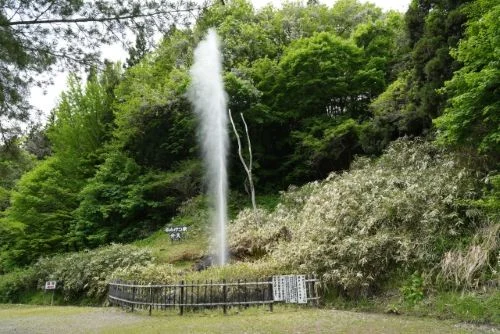
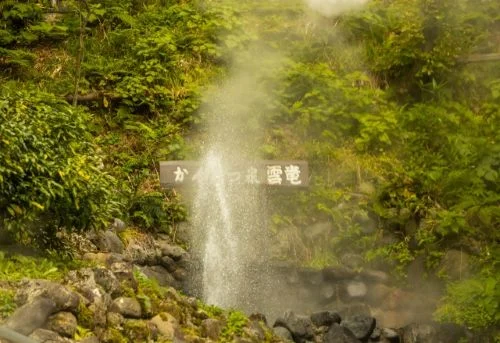
- Unryu (雲竜): The Gentle Giant
- Eruption Height: Reaches about 2 to 3 meters (7 to 10 feet).
- Interval: It erupts every 10 to 20 minutes.
- Scientific Note: This geyser operates through a vertical shaft where volcanic heat causes the underground water to surge and spill over the surface.
Tips:
☛ Bring a towel to dry your hands and feet after soaking them in the free, mineral-rich hand bath and foot bath while you watch the geysers in the park.
☛ Because the Benten geyser erupts so high, use a fast shutter speed (1/1000s or higher) to “freeze” the water droplets in mid-air against the backdrop of the autumn trees!
Onikoube Geyser’s Opening Hours, Admission Fee, and Access Information
- Onikoube Geyser is open from 10 am to 3 pm from Friday to Monday from spring to autumn.
- The park opens from Tuesday to Thursday during the Golden Week, the Obon Festival period, and the autumn foliage season.
- The admission fee is
- 500 yen for adults
- 200 yen for children
Supa Onikōbe-no-Yu (すぱ鬼首の湯): Soaking in the Wild Highlands
Located within the Fukiage Kogen highlands of Onikōbe, Supa Onikōbe-no-Yu is a day-trip hot spring facility that perfectly captures Miyagi’s volcanic landscape. Adjacent to the vast Fukiage Kogen Campground (吹上高原キャンプ場), this onsen offers a refreshing, open-air bathing experience that connects you directly with the volcanic energy and mountain air of the region. It is also the great spot to rejuvenate after a hike through the Kurikoma National Park (栗駒国定公園). The water here is a mild, simple alkaline spring. Unlike the intense sulfur scent found in other parts of Naruko, the gentle water is suitable for children or those with sensitive skin.
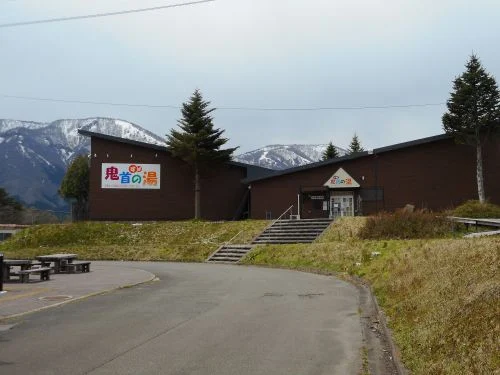
Tip: The facility often features a small corner selling local products or seasonal snacks. After your soak, grab a cold drink and head outside to the rest area to feel the highland breeze—it is the simplest, most authentic way to end a day in the Miyagi mountains.
Spacious Baths with Seasonal Views
The facility is designed to feel open and integrated with the surrounding nature. The crowning jewel of this facility is its spacious outdoor bath. Unlike the enclosed, historic bathhouses in the centre of Naruko, Supa Onikōbe-no-Yu offers a sense of freedom.
- The Outdoor Experience: Guests can choose between traditional wooden baths or rugged rock-carved outdoor baths. Both are remarkably spacious and offer sweeping, unobstructed views of the majestic highlands and the distant mountain ranges.
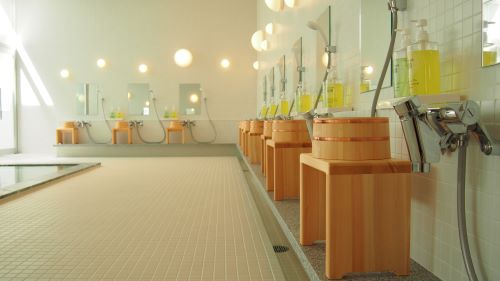
- The Interiors: The indoor baths feature a charming aesthetic of large tiles and classic brickwork, providing a warm, grounded atmosphere.
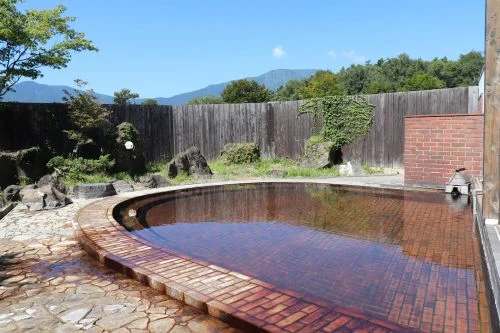
- The Four Seasons: You can witness the mountains transform from the fresh greens of spring to the fiery crimsons of autumn. In winter, the outdoor bath provides a striking contrast between the steaming water and the falling snow.
- Starlit Soaks: Because the area is free from city lights, evening bathers are often treated to a canopy of stars, a rare luxury that makes a trip to the highlands so rewarding.
Supa Onikōbe-no-Yu’s Business Hours, Admission Fee, and Access Information
- Supa Onikōbe-no-Yu is open from 10 am to 6 pm from mid-April to late November. During the peak season, such as the Golden Week, it opens from 8 am to 8 pm.
- The last admission is 30 minutes before the closing time.
- The admission fee is
- 600 yen for adults
- 300 yen for elementary school students
- You can get a 100 yen off on the admission fee if you are a Fukiage Camp Site guest.
- The public bathhouse is a 25 to 35-minute bus trip from JR Naruko-Onsen Station (鳴子温泉駅). Please get off at Fukiage Camp-jō (吹上キャンプ場).
Tip: On weekends and holidays, the baths can get busy with campers in the late afternoon. Visit in the early afternoon to have the mountain views almost entirely to yourself.
Onikobe Ski Resort (オニコウベスキー場): A Four-Season Highland Adventure
Located within the pristine borders of the Kurikoma Quad-National Park (栗駒国定公園), Onikōbe Ski Resort is a premier mountain destination known for its stunning volcanic scenery and extensive facilities. While it is a top-tier winter resort, it is also a vibrant destination year-round. From late April to early November, the ski field is where the locals enjoy outdoor activities.
The Green Season: High-Altitude Summer Fun
When the snow melts, the resort transforms into an alpine playground. It is the perfect escape for those looking to breathe fresh mountain air and engage with nature through various activities. The ski field is particularly beautiful during the autumn leaf season (late October), when the entire mountain turns shades of crimson and gold.
- The Summit View: Take the gondola (Telecabin, テレキャビン) up to the 1,100-meter summit of Mt. Nabekura (鍋倉山). The “Summit Walk” offers panoramic views of Mt. Kamuro and the Kurikoma range.
- Family Activities: The resort is packed with unique attractions, including a 36-hole putter golf course, mountain biking, and even “Aqua Tubes” where you can run across the surface of a pool inside a transparent sphere.
Winter Sports: The “Onikōbe Powder”
During the winter months (typically mid-December to late March), the resort is a haven for skiers and snowboarders.
- Varied Terrain: With 9 distinct courses, the resort balances gentle, wide slopes for beginners with challenging runs for advanced skiers.
- The lower slopes are wide and gentle, perfect for beginners and children. The upper sections offer more challenging terrain with breathtaking views of the surrounding Tohoku peaks.
- The “Onikōbe Powder”: Due to its high altitude within the caldera, the resort often receives high-quality, dry powder snow.
- Family Park: A safe, dedicated area for sledding and tubing lets families enjoy the snow at a relaxed pace.
Refer to HERE for the lift ticket price. You can translate the webpage using your browser’s translation function.
Tip: Present your used lift ticket from that day at any participating facility to receive discounted day-trip hot spring access in Naruko Onsenkyo. Please inquire at the ski resort for details.
Dining & Relaxation: Recharge with a View
Whether you are taking a break from the slopes or the summer heat, the resort’s dining facilities offer a comfortable retreat.
- Summit Rest House: Perfect for a quick lunch or a snack while soaking in the high-altitude views.
- Base Rest House: A larger facility offering a wide variety of menus to satisfy any craving after an active morning.
Basecamp at Fukiage Kogen (吹上高原)
Just a 10-minute drive from the ski resort lies Fukiage Kogen Campground (吹上高原キャンプ場), one of the most popular outdoor spots in the region.
- Versatile Camping: This expansive, grassy “free site” allows for vehicle entry, making it ideal for car camping. It also features sites with power hookups and dedicated pet-friendly areas for those traveling with dogs.
- Onsen Facility: Adjacent to the campground is the Supa Onikōbe-no-Yu (すぱ鬼首の湯) day-trip hot spring. Having a high-quality onsen right next to your tent makes this an excellent choice for first-time campers who want the comfort of a warm soak after a day in nature.
Tip: If you are staying at Fukiage Kogen, the morning mist over the grass is incredibly atmospheric—perfect for a quiet coffee before the day’s activities begin. Also, don’t miss the unique “fun bikes” at the resort; they are a great way to explore the base area!
Onikobe Ski Resort’s Business Hours and Access Information
- Onikobe Ski Resort is open from 9 am to 4:30 pm.
- The gondola, Telecabin, operates until 5 pm.
- The ski resort is a 40-minute bus trip from JR Naruko-Onsen Station (鳴子温泉駅). Please get off at Resort Park Onikobe (リゾートパークオニコウベ).
- There are only 6 services per direction. Refer to Ōsaki City’s website for the bus timetable.
- Parking: Ample parking is available at both the resort and the campground.
Kamuro Farm (カムロ農園): Pesticide-Free Flavors Under the Peak of Mt. Kamuro
Named after the iconic symbol of the Onikōbe region, Mt. Kamuro (Kamuro-dake, 禿岳), this farm is a seasonal highlight for travelers exploring the area. Often overshadowed by the larger ski resort and campgrounds, it is a quintessential stop for those who want to taste the fruits of the volcanic soil. Located deep within the caldera’s mountainous embrace, Kamuro Farm focuses on working in harmony with the land to produce high-quality blueberries, rice, and buckwheat (soba).
For those who want to take things slow, Kamuro Farm is a quiet spot where you can hear the rustle of the leaves and the distant sound of the mountain streams. The farm offers a unique perspective on the surrounding peaks, making it a favourite among photographers seeking to capture the rural landscape of the Ōsaki region.
Seasonal Fruit Picking at Karmuro Farm
The farm is best known for its seasonal harvests, allowing visitors to pick their own produce while soaking in the mountain views. The farm’s pride is its expansive blueberry orchard stretching out at the foot of Mt. Kamuro. In a commitment to quality and health, the berries are grown entirely without pesticides. This allows visitors to pick and eat them right off the branch with total peace of mind.
- 12 Varieties of Blueberry: The farm cultivates 12 different varieties of blueberries, each offering a slightly different profile of sweetness and tartness.
- Blueberry Season: From early July through mid-August, the farm opens its gates for blueberry picking. These berries thrive in the cool, highland climate and the mineral-rich volcanic soil, resulting in a deep, concentrated flavor.
- Cost: The admission fee for adults is 500 yen (250 yen for children). The fee allows you to eat as many blueberries as you want. If you want to bring some blueberries back. There are two options.
- Picking per pack (パック摘み): 500 yen per 250g
- Picking per basket (かご摘み体験): 2,000 yen per kilogram. This cost includes the admission fee.
Beyond the summer berries, Kamuro Farm is a producer of the region’s staples, benefiting from the pure mountain water and rich soil:
- Highland Rice & Soba: The farm also produces rice and buckwheat. Because these are grown in the unique microclimate of the caldera, they possess a flavor profile distinct from the lowland crops of Miyagi.
- Seasonal Direct Sales: You can purchase these fresh harvests directly, making it a great stop to pick up local ingredients for a camping meal at Fukiage Kogen.
- Keep an eye out for their processed goods, such as 100% pure apple juice and artisanal jams, which make for excellent, lightweight souvenirs that capture the essence of the Kurikoma National Park.
How to Get to Kamuro Farm
- Kamuro Farm is a 10-minute drive from Onikoube Geyser and a 20-minute drive from JR Naruko-Onsen Station (鳴子温泉駅).
Tip: Yusa Kajitsu Kōbō in Nayakayamadaira Onsen is another fruit farm where you can pick blueberries. Its location is more convenient compared to Kamuro Farm.
Explore Other Parts of Naruko Onsen-kyō
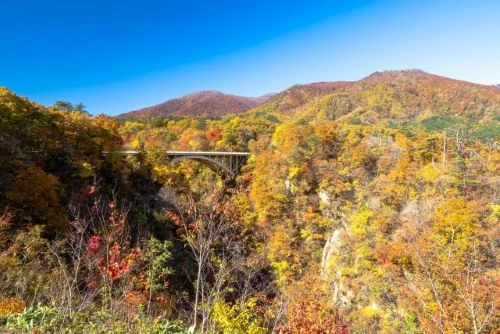
After you have explored the wild geysers and high-altitude slopes of the caldera, it is time to descend into the heart of the valley. Most travelers use the town center as their home base, and for good reason. Naruko Onsen offers a wide variety of traditional dining options, local souvenir shops, and the region’s main transportation hub.
Whether you are catching the train or looking for a classic ryokan stay, you can plan your visit to the main village here: Naruko Onsen: Beyond the Highlands.