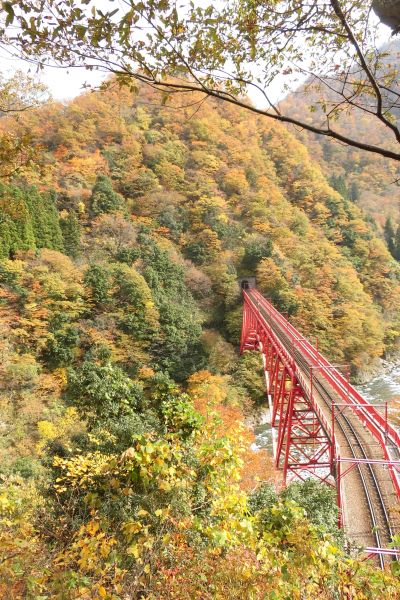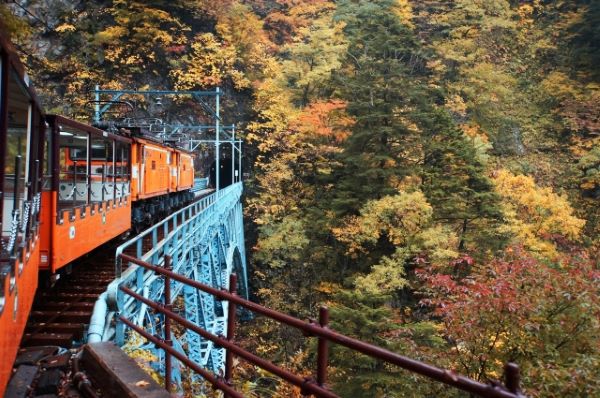
Nestled at the southeastern foot of Mount Zao in Shiroishi City, Chōrō Lake (長老湖, Chōrōko) is one of Miyagi Prefecture’s most tranquil nature escapes. Surrounded by dense beech forests with majestic views of Mt. Fudo reflecting across its calm, emerald-green waters, this pristine lake offers a peaceful retreat away from the crowded alpine trails of Okama Crater Lake. Famous for its vibrant autumn foliage, scenic lakeside promenade, and nearby suspension bridge spanning the Yokokawa River gorge, Choro Lake is a must-visit destination for nature lovers and road-trippers exploring southern Miyagi.
All You Need to Know Before Visiting Choro Lake
- Choro Lake At a Glance
- Why Visit Choro Lake?
- Key Highlights & Things to Do at Choro Lake
- Best Time to Visit Choro Lake
- Photography Tips: Capturing Choro Lake’s Reflections
- What to Wear & Pack: Staying Safe in the Foothills
- How to Get to Choro Lake (Transport & Driving Logistics)
- Practical Information: Access, Facilities & Lake Etiquette
- Plant-Based & Vegetarian Dining Strategies Nearby
Choro Lake At a Glance
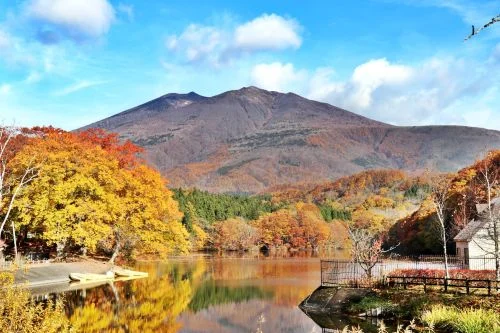
Nestled at the foot of Mt. Fubō (不忘山, 1,705 m) at roughly 500 meters in Shichikashuku Town (七ヶ宿町), Miyagi Prefecture, Choro Lake (長老湖 – Chōrō-ko) is a serene, emerald-green mountain refuge. Originally a small natural marshland, it was expanded into a hydroelectric reservoir, creating the scenic 2-kilometer circumference lake seen today. Famous for its mirror-like waters that reflect the bold ridge of Mt. Fubō, it is a favorite destination for landscape photographers and road-trippers, particularly during the fresh green season of early summer and peak autumn foliage.
Beyond its scenic natural beauty, Choro Lake carries an intriguing local folklore. Legend has it that a nearby mountain temple called Chōrō-ji (長老寺) was once home to a rogue monk. After falling unrequitedly in love with a local innkeeper’s daughter and causing endless trouble for the villagers, he was pursued by the feudal lord’s samurai. Cornered, he threw himself into the marshland, vowing with his final breath to return as a “Red Cow” (Akai-ushi, 赤い牛) to exact his revenge. Soon after, the fearsome shadow of a red bull began appearing across the water’s surface. Today, whether taking in the quiet views, walking the shoreline trail, or fishing along the glassy water, this layer of ancient mystery gives Choro Lake a unique, otherworldly atmosphere.
| At-a-Glance Highlights | Details |
|---|---|
| Why Visit? | Visitors can enjoy scenic views of Mt. Fubō and the surrounding beech forests reflected on the lake’s surface, as well as lakeside walks, suspension bridge views, and beautiful seasonal scenery. |
| Main Attractions | Lake Choro offers stunning views of 1,705-meter Mt. Fubō directly across the water. The mountain and surrounding beech forests create picturesque reflections on the lake, while the area is surrounded by the natural beauty of the Yokokawa Gorge. |
| Walking Trails & Time Required | The full circuit around the lake is about 2 km and takes approximately 45 minutes. It takes around 15 minutes to walk from the lake to the Yamabiko Suspension Bridge. |
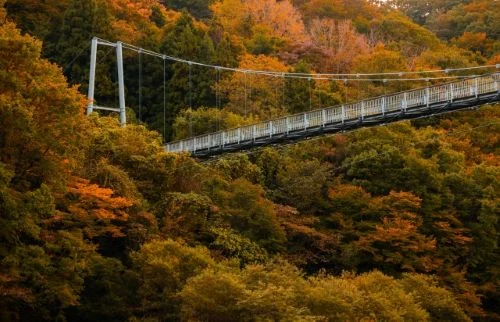
| Yamabiko Suspension Bridge | One of the largest suspension bridges in northeastern Japan, measuring 120 meters long and 20 meters high. The view of Mt. Fubō from the center of the bridge is particularly impressive. |
| Best Time for Autumn Colors | Typically from late October to mid-November. During peak season, the colorful foliage surrounding the lake is beautifully reflected in the water, with Mt. Fubō providing a dramatic backdrop. |
| Access & Parking | Accessible by car or via the Shichikashuku Town bus service (Shichikashuku Shiroishi Line and Shichikashuku Choro Line, weekdays only). The parking area accommodates approximately 60 vehicles. In winter, check road conditions before visiting due to snowfall and icy roads. |
| Activities Available | During the warmer months, visitors can enjoy fishing, boat rentals, and SUP (stand-up paddleboard) rentals. Please note that the parking lot restroom is closed during winter from December 1 to March 31. |
Why Visit Choro Lake?
1. Scenic Lake Reflections & Mt. Fubo Views
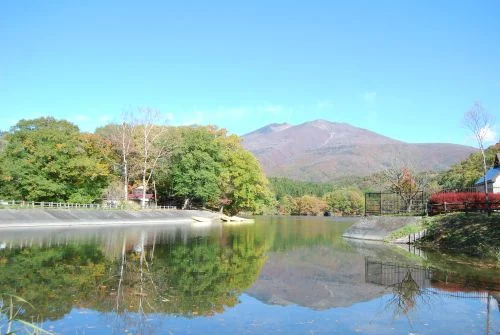
The defining highlight of Choro Lake is its mirror-like water surface. On calm, clear days, the lake provides an unobstructed reflection of Mt. Fubo (不忘山, 1,705 m), the southernmost peak of the Zao Mountain Range.
- Year-Round Visual Shifts: The landscape changes dramatically with the seasons, from the soft emerald hues of fresh spring leaves (shinryoku) in May and June to the fiery reds, oranges, and golds during peak autumn foliage in late October.
- A Photographer’s Favorite: Frame the jagged silhouette of Mt. Fubo against calm water, rowboats gently floating near the shore, or the dense beech and oak canopy along the western bank.
2. A Peaceful Alternative to Mount Zao’s Crowded Peaks
During peak travel seasons, major summit attractions like Okama Crater Lake can experience heavy road congestion, crowded observation decks, and unpredictable high-altitude fog. Choro Lake serves as a refreshing, uncrowded alternative:
- Tranquil Atmosphere: Located in the quiet foothills, Choro Lake sees a fraction of the tour bus traffic found at Katta Summit or Zao Onsen, making it ideal for casual strolls, quiet photography, and slow-paced road trips.
- Gentle, Low-Elevation Access: Sitting at 500 meters elevation rather than 1,700 meters, Choro Lake is far less vulnerable to sudden mountain gales or dense whiteout fog, making it a reliable nature stop even when summit conditions are poor.
- Versatile Nature Loop: With a flat 2-kilometer lakeshore loop and a short forest walk down to the impressive Yamabiko Suspension Bridge, it provides an accessible nature experience for travelers of all fitness levels.
Key Highlights & Things to Do at Choro Lake
Located in Shichikashuku Town (七ヶ宿町) at an elevation of around 500 meters, Choro Lake (長老湖) is a peaceful mountain lake spanning roughly 2 kilometers in circumference. Its surrounding trail system and valley views offer a classic, scenic half-day nature escape in southern Miyagi.
1. The Lakeshore Loop Trail (Choro-ko Shusui Yodo)
A flat, well-maintained trail loops around the lake’s entire perimeter (~2 km total, roughly 45 minutes at a relaxed pace).
- Mt. Fubo Reflection Point: The western shore provides the signature view looking straight across the lake to Mt. Fubō (不忘山, 1,705m), the southernmost peak of the Zao Mountain Range. On calm days, the beech forests and mountain peak reflect vividly across the mirror-like water.
- Accessibility: The trail is a gentle, natural walking path made of dirt, boardwalks, and packed gravel, making it very accessible for families and casual walkers wearing comfortable sneakers.
2. Yamabiko Suspension Bridge (YamabikoTsuri-bashi, やまびこ吊り橋)
For travelers seeking a slightly longer nature hike, a scenic connecting trail descends from the southern shore of Choro Lake into the lush Yokokawa River Gorge (Yokokawa-keikoku, 横川渓谷).
- The Gorge Trail: Following a series of wooden steps and shaded forest paths downhill (approx. 15–20 minutes walk), you will arrive at the impressive Yamabikotruri Bridge.
- Bridge Specifications & Views: Spanning 120 meters long and standing 20 meters high, this structure is one of the largest pedestrian suspension bridges in the Tohoku region. Standing at the center offers panoramic 360-degree views of the clear Yokokawa stream and sweeping views of Mt. Fubo.
3. Rowboat Rentals & Seasonal Lakeside Breaks
During peak operating months (typically from May through early November):
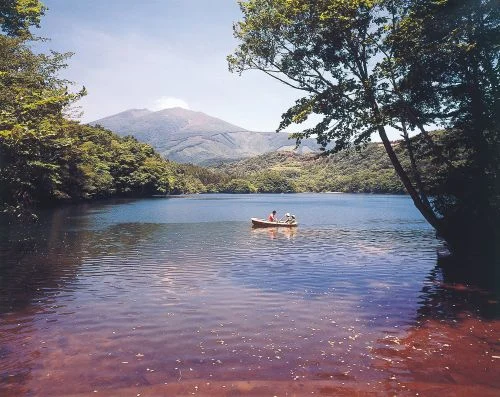
- Rowboat Rentals: Rental rowboats are available by the main parking lot jetty during peak seasons (generally May to early November, 10:00 AM – 4:00 PM), allowing visitors to paddle into the center of the lake for unobstructed mountain views.
- The cost is 800 yen for every 30-minute rental.
- SUP (Stand-Up Paddleboarding): Guided SUP tours and rentals on Choro Lake can be booked seasonally through nearby outdoor organizations (such as Minami-Zao Yamabiko no Mori, やまびこの森).
- Rest House & Tea Breaks: The small rest house near the entrance serves soft-serve ice cream, hot drinks, and local regional snacks during operating months. It is an ideal spot to take in the serene forest air after completing the promenade walk.
Best Time to Visit Choro Lake
While Choro Lake (長老湖) offers quiet natural beauty throughout the year, the experience shifts dramatically with the seasons. Depending on whether you are looking for vibrant autumn colors or fresh mountain air, here is what to expect across the year:
Peak Autumn Foliage (Late October to Early November)
Autumn is undeniably the most spectacular time to visit Choro Lake.
- The Crimson Canopy: Dense beech, oak, and maple forests surrounding the lake turn vivid shades of gold, orange, and deep red.
- Mirror Reflections: On clear, windless mornings, the blazing autumn canopy and snow-capped peak of Mt. Fubo reflect directly on the calm water, making this peak photo season for nature photographers.
- Yamabiko Bridge Views: The view down into Yokokawa River Gorge from Yamabiko Suspension Bridge is most dramatic in late October.
Spring Fresh Greenery & Summer Cool (May to August)
- Spring (Shinryoku): From May to June, the surrounding forests burst with fresh, vivid green leaves. Spring temperatures are ideal for walking the 2 km lakeshore loop or paddling out on a rental rowboat.
- Summer Escape: Sitting at an elevation of roughly 500 meters, Choro Lake is noticeably cooler than urban Sendai or Shiroishi City, making it a refreshing, shaded spot to escape summer humidity.
Winter Closure & Snow Scenery (December to April)
During mid-winter, snowfall in Shichikashuku Town can be heavy. While the surrounding snow-covered mountain views are serene, the lakeside rest house, rowboat rentals, and public facilities are generally closed for the season, and trails can become icy or impassable without snowshoes.
Photography Tips: Capturing Choro Lake’s Reflections
Capturing memorable photos of Choro Lake is less about wide-angle landscapes and more about balancing the mountain, beech forests, and water in your frame.
Important Manners Note: Always stay on designated walking paths and wooden boardwalks. Never cross protective fencing or block narrow trails when setting up a camera or tripod.
- Frame Mt. Fubō Vertically: Position Mt. Fubō in the upper third of your photo with the lake surface filling the lower half to emphasize the natural topography. Including a few overhanging tree branches or shoreline grasses in the immediate foreground adds depth and dimension.
- Patience with Light and Wind: The lake surface changes rapidly with shifting breezes and moving clouds. Rather than taking rapid continuous shots, pause at key viewing points along the western shore and wait for windless moments when the water calms into a mirror.
- Adapt to the Weather: If dense fog or low clouds conceal Mt. Fubō’s peak, shift your creative focus to close-up textures, such as rain-dappled foliage, wet tree trunks, or gentle ripples on the water.
| Weather Condition | Key Subject | Recommended Composition |
|---|---|---|
| Calm / No Wind | Mt. Fubō & shoreline reflections | Symmetrical top-and-bottom split |
| Breezy / Windy | Water surface ripples & waves | Diagonal cut across the lake shore |
| Overcast Sky | Beech forest textures & foliage | Moody, low-saturation framing |
| Post-Rain / Drizzle | Glistening leaves & moss | Close-up / Macro foreground shot |
What to Wear & Pack: Staying Safe in the Foothills
At roughly 500 meters, Choro Lake has a cooler, more variable climate than urban Sendai or Shiroishi City. A few simple precautions will help you enjoy a comfortable walk around the lakeshore loop and down to Yamabiko Suspension Bridge.
- Wear Sturdy, Non-Slip Footwear: Trail paths consist of packed earth, wooden boardwalks, and forest steps that can become extremely slick after rain or during leaf-fall in autumn. Avoid flat sandals or brand-new shoes in favor of broken-in sneakers or light hiking boots.
- Dress in Layers: Temperatures fluctuate noticeably between sunny lakeside spots and shaded forest canopy. Even in early summer, morning and late afternoon winds off the mountain can feel chilly. Pack a lightweight windbreaker or fleece jacket.
- Essential Day Pack Items: Keep your hands free for stability along downhill steps by carrying a small backpack. Bring a reusable water bottle, compact rain gear, and any personal snacks.
Footwear Recommendation: Need a good pair of walking shoes for your trip? Check out our guide to the Top 3 Comfortable Walking Shoes for Overseas Travel to prepare for your hike!
How to Get to Choro Lake (Transport & Driving Logistics)
Choro Lake is situated in Shichikashuku Town of Shiroishi City in southern Miyagi Prefecture. Because the lake is nestled in the foothills of Mount Zao, driving by rental car is the easiest and most flexible option.
Reaching Choro Lake by Rental Car (Recommended)
Navigating to Choro Lake by car is straightforward via well-paved Route 457 and regional roads connecting Shiroishi, Toogatta Onsen, and Mount Zao.
- From Sendai City: Approximately 60 to 70 minutes via the Tohoku Expressway (exit at Shiroishi IC or Murata IC) onto Route 457.
- From Toogatta Onsen: A quick 20 to 25-minute drive south along Route 457.
- From Okama Crater Lake (Katta Summit): Around 45 to 50 minutes descending via the Zao Highline and Zao Echo Line toward Miyagi.
- Parking Facilities: A spacious, free parking lot (Choro Lake Free Parking) is located right next to the lake entrance and rest house, equipped with public restrooms open during operating seasons from April to November.
Public Transit & Taxi Access
Public bus routes directly to Choro Lake are limited and operate on seasonal schedules, so timing is critical if relying on public transport:
Public Transit & Bus Access (Shichikashuku Town Bus)
Public transit to Choro Lake requires transferring between two local municipal bus routes operating from JR Shiroishi Station or JR Shiroishi-Zao Station:
- Shinkansen + Bus/Taxi via Shiroishi-Zao Station (白石蔵王駅) or Shiroishi Station (白石駅):
- Board the Shichikashuku-Shiroishi Line (七ヶ宿白石線):
Take the bus from JR Shiroishi-Zao Station (Shinkansen) or JR Shiroishi Station (Tohoku Main Line) to the central town transit hub at Nanairo Hiroba (なないろひろば). - Transfer to the Shichikashuku-Choro Line (七ヶ宿長老線):
At Nanairo Hiroba, transfer to the local town loop bus bound for Choro Lake and get off at the Choroko-higashi (長老湖東) stop. - Walk to the Lake:
From the Choroko-higashi bus stop, it is a gentle 10-minute walk (approx. 700 meters) along the paved access road directly to the lake entrance and parking area.
- Board the Shichikashuku-Shiroishi Line (七ヶ宿白石線):
- Taxi Alternative: A taxi directly from JR Shiroishi-Zao Station to Choro Lake takes about 35 minutes (costing approximately ¥6,000–¥7,000 one-way).
⚠️ Important Timetable Note: Many local town bus runs operate on weekdays only or have significantly reduced weekend and holiday timetables. Always double-check current timetable and connection windows at Nanairo Hiroba before setting out.
Practical Information: Access, Facilities & Lake Etiquette
Nestled in the mountain foothills of Shichikashuku Town, Choro Lake (長老湖) is a tranquil, delicate ecosystem that requires some advance planning regarding transport schedules, seasonal amenities, and trail manners.
Getting There & Seasonal Transport
- Driving & Parking: The free lakeside parking lot holds approximately 60 vehicles. During peak autumn foliage weekends, spaces fill quickly, so aim to arrive before 10:00 AM. If driving between late autumn and early spring, check local road closures and weather advisories on tenki.jp or Miyagi traffic portals before setting out.
- Public Transit (Shichikashuku Town Bus): Many town bus routes run weekdays only or have reduced weekend timetables, so confirm your return departures before heading out onto the trails.
Visitor Facilities & Connectivity
- Restrooms & Winter Closure: Public restrooms at the main parking area operate during the warmer months but are closed for the winter season from December 1st through March 31st.
- Seasonal Activities & Rest House: The small lakeside rest house, rowboat rentals, and SUP (Stand-Up Paddleboarding) operate strictly during the green and autumn seasons (typically May through early November, 10:00 AM – 4:00 PM).
- Cell Coverage: Mobile reception (Docomo, au, SoftBank) is stable around the main parking lot and lakeshore promenade, though signal strength may drop when descending into Yokokawa Gorge toward Yamabiko Suspension Bridge.
- Trail Conditions & Footwear: The 2 km lakeshore loop consists of flat packed earth and gravel suitable for casual sneakers. If descending the forest steps to Yamabiko Suspension Bridge, wear shoes with decent tread, as damp soil and autumn leaves can become slick.
Local Etiquette & Protecting the Ecosystem
Practising Leave No Trace principles ensures Choro Lake remains pristine for future visitors:
- Stay on Designated Trails: Never step off marked paths or cross protective railings. Entering forested slopes damages delicate flora and creates slipping hazards.
- Pack Out All Waste & Keep Audio Low: Carry out all trash, wrappers, and personal waste. Sound carries easily across the calm water, so keep voices at a conversational level and don’t play music on external speakers.
| Scenario | Recommended Action (Do This) | Action to Avoid (Don’t Do This) |
| Trail Walking | Stay on designated paths and boardwalks | Stepping onto fragile vegetated slopes |
| Photography | Keep narrow walkways clear for other walkers | Blocking trails or setting up tripods across pathways |
| Rest Breaks | Pack out all trash and food wrappers in your daypack | Leaving food scraps or drink packaging behind |
| Nature Observation | Observe plants and wildlife quietly from a distance | Touching, picking, or disturbing plants and wild animals |
Plant-Based & Vegetarian Dining Strategies Nearby
Because Choro Lake is located in a quiet rural mountain area, food options directly on the lakeshore are limited to simple drinks and soft-serve ice cream. However, several excellent vegetarian-friendly dining strategies exist within a 20- to 25-minute drive in Shichikashuku Town and Togatta Onsen.
1. Regional Shiroishi Umen Noodles
- What It Is: Umen (温麺) is a regional noodle specialty of Shiroishi. Unlike standard somen, it is crafted without oil, making it light and easily digestible.
- Plant-Based Strategy: Many local noodle shops serve umen with a cold sesame dipping sauce (goma-dare) or walnut sauce (kurumi-dare). Always confirm that the dipping sauce does not use fish dashi (katsuobushi), or request a plain soy sauce and sesame base.
2. Artisanal Wood-Fired Pizza (Togatta Onsen Area)
- Location: Togatta Onsen town center (~20 minutes north via Route 457).
- Plant-Based Strategy: Pizzerias in the area highlight fresh Zao produce and local dairy. Classic Margherita or Vegetable (Verdura) pizzas without meat are widely available. Specify “nikuless” or “no meat/seafood” when placing your order.
3. Soba & Mountain Vegetable Tempura (Sansai)
- Location: Roadside eateries along Route 457 between Togatta Onsen and Shichikashuku.
- Plant-Based Strategy: Hand-cut buckwheat soba is abundant throughout the region. During spring and summer, soba sets are served alongside crispy mountain vegetable tempura (sansai tempura) made from local ferns and bamboo shoots. Verify that dipping sauces are plant-based or bring your own soy sauce/salt for the tempura.
Pro-Tips for Plant-Based Travelers
- Stock Up Early: Pick up plant-based snacks, fresh fruit, and rice balls (onigiri) at convenience stores in Sendai or Shiroishi City before heading into the foothills.
- Combine with an Onsen Day Trip: After walking around Choro Lake, drive 20 minutes north to Togatta Onsen for a day-use hot spring soak followed by a relaxed café lunch.
Suggested Day-Trip Itineraries
Because Choro Lake can be fully explored in 1.5 to 2 hours, it pairs seamlessly with nearby highlights in southern Miyagi and Mount Zao. Here are two popular driving itineraries departing from Sendai:
Itinerary 1: Mount Zao Summit & Southern Miyagi Nature Drive
Best for: First-time visitors wanting iconic volcanic views combined with a peaceful lakeside nature walk.
- 08:30 AM: Depart Sendai by rental car via the Tohoku Expressway.
- 10:00 AM: Drive up the Zao Echo Line and Zao Highline to explore Okama Crater Lake.
- 12:00 PM: Descend the mountain pass to Togatta Onsen for a local lunch (try Zao wood-fired pizza or regional mountain vegetables).
- 01:30 PM: Drive 25 minutes south along Route 457 to Choro Lake. Walk the 2 km lakeshore loop trail and take photos of Mt. Fubo.
- 02:30 PM: Walk down the forest trail to cross the Yamabiko Suspension Bridge over Yokokawa Gorge.
- 03:30 PM: Enjoy soft-serve ice cream or a warm drink at the lakeside rest house before driving back to Sendai (or stopping by Zao Fox Village en route).
- 05:30 PM: Return to Sendai.
Itinerary 2: Shiroishi Feudal History, Fox Village & Choro Lake
Best for: A relaxed, cultural day trip focusing on southern Miyagi’s unique heritage and nature stops.
- 09:00 AM: Depart Sendai for Shiroishi City.
- 09:45 AM: Visit Shiroishi Castle, a beautifully reconstructed wooden castle surrounded by historic samurai residences.
- 11:30 AM: Head to Zao Fox Village (宮城蔵王キツネ村) to observe free-roaming foxes in a natural forest sanctuary.
- 01:00 PM: Enjoy a traditional bowl of Shiroishi Umen (short, oil-free local noodles) in town.
- 02:15 PM: Drive to Choro Lake for an afternoon walk, rowboat session, and suspension bridge hike.
- 04:30 PM: Stop at Togatta Onsen (遠刈田温泉) for a relaxing day-use hot spring soak before returning to Sendai.
Combining Choro Lake with Mount Zao’s Okama Crater Lake
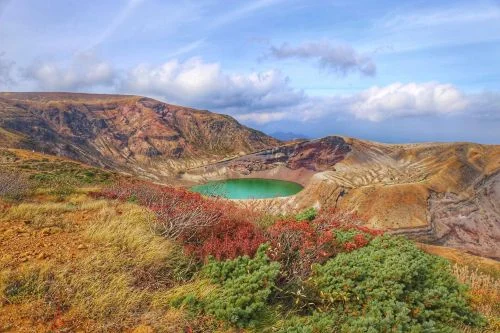
Located just 45 minutes down the mountain slopes of Mount Zao, Choro Lake makes for an ideal scenic detour before or after visiting southern Miyagi’s primary volcanic landmark. No trip to the region is complete without witnessing the dramatic, shifting turquoise waters of the iconic volcanic crater above.
For complete driving directions, bus timetables, and walking trails at the summit, read our comprehensive guide on How to Visit Japan’s Five-Color Volcanic Wonder at Okama Crater Lake.
Exploring Sendai: Best Things to Do Before or After Choro Lake
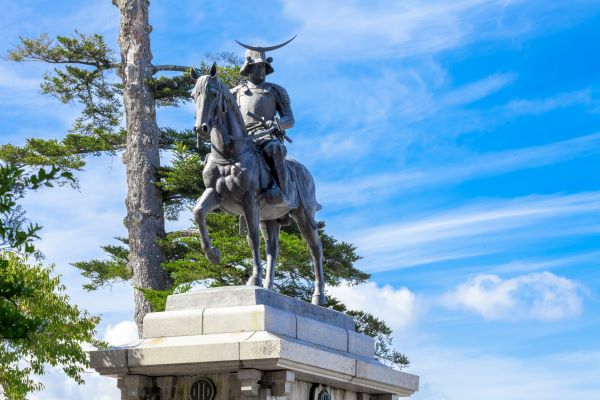
Planning to use Sendai as your base for visiting Zao? As Miyagi Prefecture’s capital, Sendai offers the fastest transit connections to Choro Lake via the Shiroishi-Zao Shinkansen and seasonal mountain buses, making it the ideal launching pad for a day trip.
Before heading up the mountain pass, check out our Ultimate Travel Guide to Sendai: The City of Trees to explore historic Date Masamune castle sites, vibrant shopping arcades, and seamless regional transit routes.