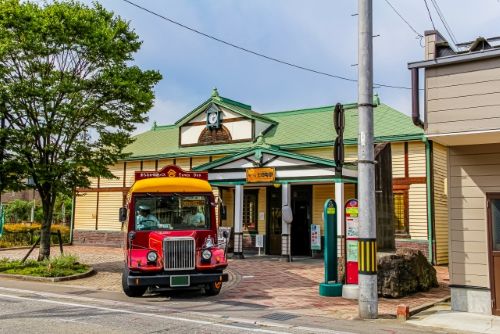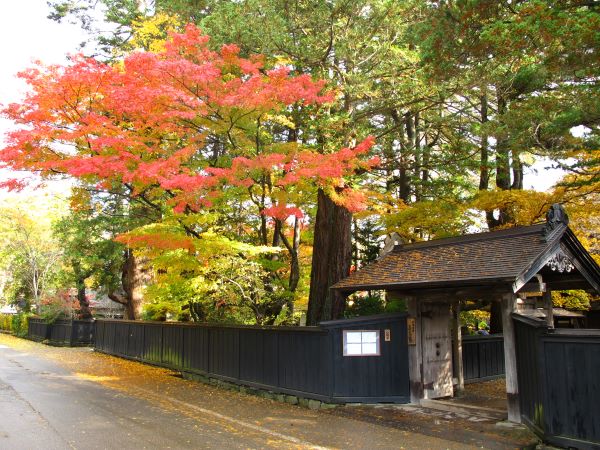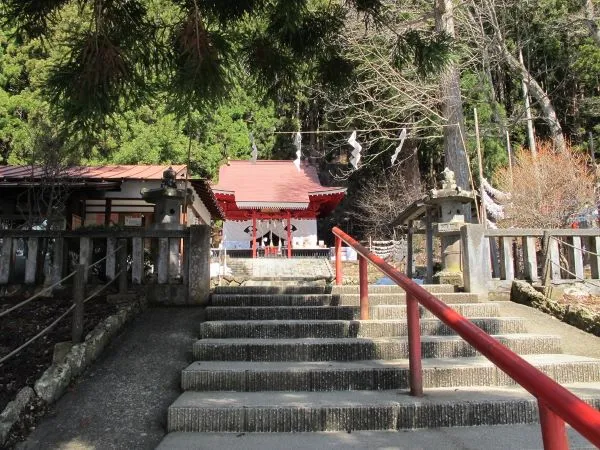
Strolling down the historic, century-old buildings of Nanukamachi-dōri Street in Aizu-Wakamatsu feels like stepping back in time, and no visit to this cultural hub is complete without experiencing its incredible food scene. Opened in 1887, Kumanoya Nanukamachi (菓子司 熊野屋 七日町店) is a beloved traditional confectionery maker famous for its vegan-friendly street-food-style Japanese sweets (wagashi). Unlike sit-down tea rooms, Kumanoya specializes in treats perfectly packaged for eating while you walk, though they also offer a cozy eat-in space where friendly staff often serve a warm cup of tea. From their signature, hand-baked dorayaki filled with rich, fresh cream to the colorful, seven-flavored Shichifuku dango, here is everything you need to try at this historic Fukushima gem.
The Must-Try Sweets at Kumanoya
Part of Kumanoya’s charm is how they seamlessly blend generations-old techniques with playful, modern flavors. While they offer a wide array of seasonal treats throughout the year, there are two definitive signature items you have to try during your visit. These hand-baked treats are individually wrapped, making them just as easy to pack for a day of sightseeing as they are to enjoy fresh in the shop.
1. Shichifuku Dango (七福だんご)
Named after the Japanese Seven Lucky Gods, Kumanoya’s signature Shichifuku Dango is a colorful and delicious celebration of traditional flavors. The dumplings themselves are crafted from local Aizu rice flour, giving them a perfectly chewy, tender texture.
As the name suggests, the skewers come in seven distinct flavours. Each variety is visually distinct by its color, making it easy to mix and match a beautiful assortment. You can choose from these seven authentic options:
- Koshiantō (こしあん): A smooth, velvety traditional sweet red bean paste.
- Tsubuantō (粒あん): A chunky, rustic sweet red bean paste for those who love a bit of texture.
- Kurogoma (黒ゴマ): A rich, deeply nutty, and fragrant black sesame paste.
- Shirogoma (白ごま): A milder, subtly sweet, and creamy white sesame paste.
- Kurumi (くるみ): An earthy, savory-sweet walnut paste that highlights regional flavors.
- Zunda (ずんだ): A bright green, vibrant, and texturally rustic mashed edamame paste.
- Kuromame Kinako (黒豆きなこ): A beautifully aromatic toasted black soybean flour that offers a warm, nutty finish.
It is the ultimate vegan street food treat, perfect for picking up a few skewers to share and compare flavors as you explore Nanukamachi. When we visited the shop in 2025, each skewer cost 120 yen.
2. Hand-Baked Dorayaki (手焼きどら焼き)
If you think you know dorayaki (the classic Japanese sweet consisting of sweet filling sandwiched between two round sponge cakes), Kumanoya will completely elevate your standards. Every single dorayaki here is meticulously hand-baked by artisans using copper plates. This traditional method gives the honey-infused pancake skins an incredibly airy, cloud-like softness that machine-made versions simply cannot replicate.
While classic red bean is a staple of Japanese sweets, Kumanoya steps outside the box by filling its ultra-fluffy pancakes with a modern, western-inspired lineup of rich, creamy fillings. You can choose from these five distinct flavors:
- Cream (クリーム): A classic, velvety, fresh dairy cream filling that pairs beautifully with the sweet, honeyed pancake.
- Matcha (抹茶): A smooth green tea cream that strikes the perfect balance between earthy bitterness and subtle sweetness.
- Caramel (キャラメル): A rich, sweet, and deeply indulgent caramel cream that makes for a perfect afternoon treat.
- Cheese (チーズ): A delightfully tangy, savory-sweet cheese cream filling that offers a unique twist for those who prefer less sugary desserts.
- Choco (チョコ): A smooth, decadent chocolate cream that is a massive hit with both children and chocolate lovers alike.
It may look like it has too much flavor at first glance, but Kumanoya’s Dorayaki is surprisingly light-tasting and will be down your stomach in no time!
Tip: Keep an eye out for their Jyōyō Manjū (steamed yam cakes) as well. These are so highly regarded for their refined, traditional quality that Kumanoya is the official supplier for the prestigious Rinkaku Tea House located on the historic grounds of Tsuruga Castle.
The Tea Ceremony Sweet: Jyōyō Manjū (薯蕷饅頭)
For those who are after a confectionery special to the Aizu region, go for the Jyōyō Manjū. The vegan steamed yam cakes are so highly regarded for their refined, traditional quality that Kumanoya is the official supplier for the prestigious Rinkaku Tea House (茶室 麟閣) located on the historic grounds of Tsuruga Castle (鶴ヶ城).
Apparently, no water is used to make the confectionery’s skin. Only Chinese yams (つくね芋), sugar, and rice powder are used. Red beans’ skins are scraped off before they are made into red bean paste.
The tea room was built by Sen no Rikyū’s son, Sen no Shoan (千少庵). Sen no Rikyū (千利休) is the founder of Japan’s tea school.
Weekend & Holiday Exclusives Sweets (土日祝限定商品) at Kumanoya
If you happen to plan your visit to Nanukamachi over a weekend or a public holiday, you are in for a special treat.
Traveler’s Tip: These weekend-exclusive vegan treats are priced very affordably (150 yen per skewer when we visited the shop) and make the perfect mid-day snack. Because they are made fresh on-site and are highly sought after by both locals and domestic tourists, they frequently sell out by the afternoon. Aim to drop by earlier in the day to catch the live grilling!
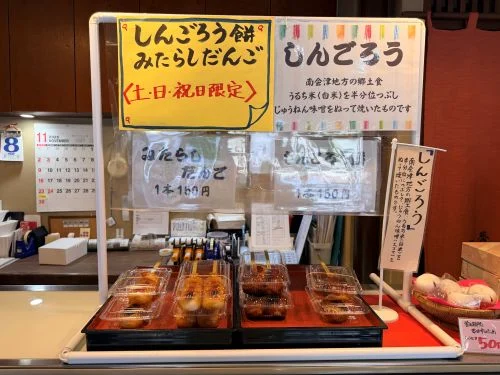
1. Shingoro Mochi (しんごろう餅)
This is a must-try if you want a true taste of local Fukushima food culture. Shingoro Mochi is a traditional Aizu regional delicacy born from a heartwarming local legend. Centuries ago, a poor local farmer named Shingoro couldn’t afford expensive mochi rice to celebrate the New Year. Instead, he took ordinary uruchi rice (everyday eating rice), mashed the grains halfway, shaped them into balls on skewers, and grilled them with a savory paste.
Kumanoya perfectly recreates this rustic treat:
- The Texture: Because the rice is only partially mashed (a texture known in Japan as hankyō or half-crushed), it retains a satisfying, rustic bite that is lighter than regular chewy mochi.
- The Glaze: The skewers are generously coated in Jūnen Miso (perilla/wild sesame miso paste) and slowly grilled to smoky, fragrant perfection.
2. Fresh-Grilled Mitarashi Dango (みたらしだんご)
While Kumanoya offers a wide variety of cold sweet pastes for their dango during the week, the weekend transforms their classic Mitarashi Dango into a warm, interactive experience.
These rice dumplings are grilled fresh right at the storefront, developing beautiful char marks that add a delicate, smoky depth. They are then dipped into a warm, glossy, sweet-and-savory soy sauce glaze. Soft, pillowy, and served warm, it is the quintessential Japanese street-food comfort snack.
Our Visit to Kumanoya
We visit Kumanoya in the late morning in early November. Already enjoying a feast for breakfast at Aizu Coffee Club, we didn’t have much room for the confectioner’s famous dango rice cakes. So, we ordered the refined Jyōyō Manjū and a Shingoro Mochi, both of which aren’t easy to find elsewhere.
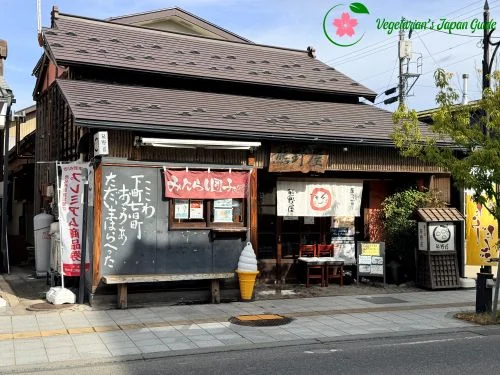
The staff reheated the rice cake for us before serving. The irresistible, savory aroma whets our appetite. Having the savory mochi, then the lightly sweetened manju, is like having a tiny meal before lunch. The complementary tea was just at the right temperature for a perfect end to our visit.
Now we think of it, we should have grabbed a few more Jyōyō Manjū before we stepped out of Kumanoya. With its light texture and elegant taste, it is the perfect snack while wandering around Aizu-Wakamatsu.
Kumanoya Nanukamachi’s Brief Profile
Established in 1887, Kumanoya Nanukamachi is a long-standing confectionery maker in Aizu-Wakamatsu, Fukushima. Renowned for its blend of traditional craftsmanship and accessible “street-food-style” wagashi (Japanese sweets), the shop has become a staple for travelers exploring the historic Nanukamachi-dōri Street. Guided by the motto of practicing “honest sweet-making,” this multi-generational establishment creates traditional Japanese treats that capture the local seasonal flavors, culture, and scenery of the Aizu region.
- Established History: Founded in 1887 (Meiji 20) by the first-generation confectioner, Heizaburo Saito, the business originally started in Kamimachi by producing and selling traditional fresh sweets for ceremonial occasions, such as weddings and funerals.
- The Nanukamachi Legacy: The business was passed down to the second generation (Mitsuhiro) and later the third generation (Hideji). Embracing the local movement to revitalize Nanukamachi-dōri with its historical “Taisho Roman” townscape aesthetic, the third generation opened the brand’s very first direct retail shop, Kumanoya Nanukamachi, in 1997.
- Modern Vision (The 4th Generation): In 2003, the company officially incorporated, and Koichi Saito stepped up as the fourth-generation representative director. Under his leadership, Kumanoya maintains its commitment to time-honored, traditional handmade techniques while infusing modern sensibilities to keep its sweets relevant for today’s generations.
- Celebrating Local Ingredients & Culture: The shop takes great pride in highlighting the essence of Aizu by incorporating local agricultural products, such as regional rice, walnuts, and even fresh asparagus, into their seasonal dango, daifuku, manju, and mochi. Their deep cultural connection is further reflected in their specialty orders for regional seasonal festivals and ceremonies.
- A Trusted Local Institution: Kumanoya’s exceptional quality is highly recognized throughout the region. Beyond their retail shops, they are a trusted supplier to prestigious local landmarks, including the historic Rinkaku Tea House on the grounds of Tsuruga Castle, local road stations (Michi-no-Eki Bandai), and regional supermarkets.
- Visitor Experience: Beyond their take-away treats, the shop maintains a welcoming atmosphere with an eat-in space where visitors are often treated to a complimentary cup of tea, providing a perfect break for those traveling between local sightseeing spots.
Kumanoya Nanukamachi’s Business Hours and Access Information
- Kumanoya Nanukamachi is open from 9:30 am to 6 pm.
- Kumanoya Nanukamachi is a 2-minute walk from Nanukamachi Station (七日町駅).
- They also have a shop inside Pivot Aizuwakamatsu, a 1-minute walk from JR Aizu-Wakamatsu Station (会津若松駅).
Discover the Stunning Scenery Along the Tadami Line
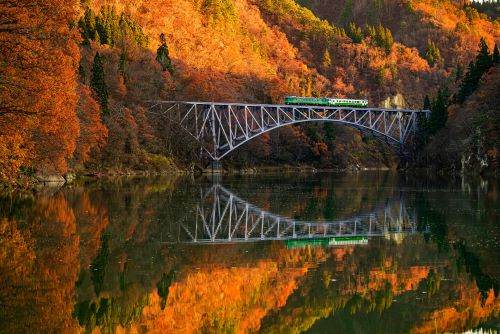
The Nanukamachi-dōri Street, where Kumanoya is located, is the starting point of Japan’s most stunning train line, the Tadami Line. From the local train’s window, which runs through the mountains, breathtaking natural views unfold one after another throughout the year. Several tourist spots that are worth checking out are also dotted along the Tadami Line, enriching your visit to Japan’s rural towns.
So refer to our Tadami Line article for more information on expanding your itinerary to include a couple of scenic spots!
Other Must-Visit Spots on Nanukamachi-dōri Street
In Aizu-Wakamatsu City, if you want to walk on a street lined with buildings from over a century ago, head to Nanukamachi-dōri Street (七日町通り). While the 800-meter-long street stretching west from Nanukamachi Station isn’t as lively as before, there is no doubt that it is where you can discover Aizu’s culture. Moreover, there are a few spots related to the members of the famous samurai group, Shinsengumi, in the area!
For more information, refer to our article on Nanukamachi-dōri Street!