

When most travelers picture Kyoto, they imagine the brilliant orange gates of Fushimi Inari or the crowded bamboo groves of Arashiyama. However, the true soul of the region lies far beyond the city center, tucked away in the misty mountains, historic samurai castle towns, and floating coastal villages of greater Kyoto Prefecture. Exploring these spectacular, off-the-beaten-track destinations lets you experience ancient traditions and untouched natural landscapes, free from downtown crowds. Navigating rural Japan as a plant-based traveler can feel daunting, but with the right logistical game plan, it doesn’t have to be.
This comprehensive guide breaks down the 12 best hidden gems in Kyoto, including step-by-step public transportation instructions, the absolute best times to visit, and insider vegetarian tips to ensure your regional adventure is smooth, rewarding, and entirely delicious.
Why You Should Explore Kyoto Beyond the City Center
- Katsura Imperial Villa (桂離宮): A Masterpiece of Japanese Garden Design
- Shugakuin Imperial Villa (修学院離宮): Kyoto’s Grand Alpine Imperial Retreat
- Kurama (鞍馬) & Kibune (貴船): Escape the Summer Heat in Kyoto’s Northern Mountains
- Ōhara (大原): A Quaint Rural Town of Ancient Temples and Gardens
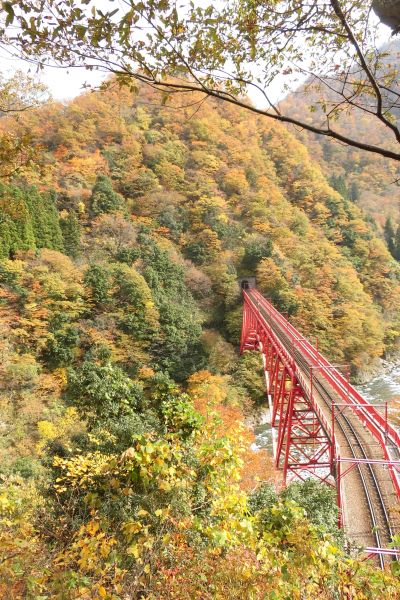
- Kameoka (亀岡): A Scenic Hidden Gem Accessible by Steam Train
- Kyoto Botanical Gardens (京都府立植物園): A Vibrant Oasis of Seasonal Blooms
- Mt. Hiei (比叡山): The Sacred Mountain Bordering Kyoto and Shiga Overlooking Lake Biwa
- Amanohashidate (天橋立): One of Japan’s Most Scenic Destinations
- Ine Bay (伊根湾): The Charming Floating Fishing Village of Kyoto
- Miyama Kayabuki no Sato (美山 かやぶきの里): Traditional Thatched-Roof Village
- Nantan (南丹): Breathtaking Waterfalls, Onsens, and Nature Parks
- Gorō Sky Tower (五老スカイタワー): The Best Panoramic Views in the Kansai Region
- Kyotamba (京丹波): Hiking Trails, Limestone Caves, and Local Delicacies
- Ayabeshi Bairin Park (綾部市梅林公園): An Off-the-Beaten-Path Plum Blossom Destination
- Fukuchiyama (福知山): A Historic Castle Town with Stunning Gorges
Katsura Imperial Villa (桂離宮): A Masterpiece of Japanese Garden Design
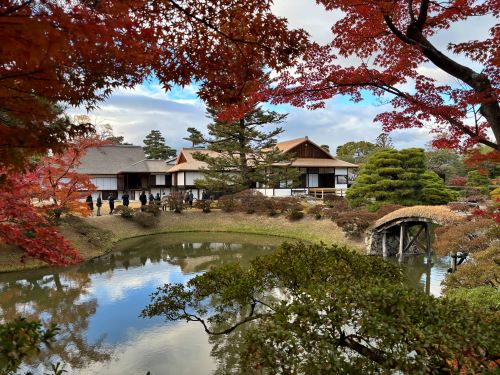
Located in western Kyoto along the Katsura River, Katsura Imperial Villa (Katsura Rikyu) is universally hailed as one of the finest pinnacles of traditional Japanese architecture and stroll-garden design. Built in the 17th century as a retreat for the Imperial Family, its meticulously balanced pavilions, rustic teahouses, and central pond create a fluid landscape where the view elegantly transforms with every step. The villa’s geometric simplicity and integration with nature have profoundly influenced world-class architects for generations.
- How to get there: From Kyoto-Kawaramachi Station or Karasuma Station in downtown Kyoto, take the Hankyu Kyoto Line to Katsura Station (approx. 5–10 minutes via rapid train). From the station’s East Exit, the villa is a pleasant, well-signposted 20-minute walk, or a quick 5-minute taxi or bus ride.
- Best time to visit: Visit in Autumn (late November) when the maple leaves turn brilliant shades of fiery crimson, framing the stone bridges and thatched roofs. Spring (early April) is also exceptional for viewing the delicate cherry blossoms reflecting off the mirror-like central pond, while Winter offers a serene, minimalist snowscape across the manicured pines.
- Vegetarian Tip: Because the villa is located in a quiet, residential district of Nishikyo Ward, immediate dining choices right outside the gates are limited. For a full plant-based meal, hop back on the Hankyu line—it’s just a few stops away from Arashiyama or central Kyoto, where vegan-friendly cafes abound.
👉 Read Our Full Guides to This Area: The Ultimate Travel Guide to Katsura Imperial Villa: Booking Tips & Architecture
Shugakuin Imperial Villa (修学院離宮): Kyoto’s Grand Alpine Imperial Retreat
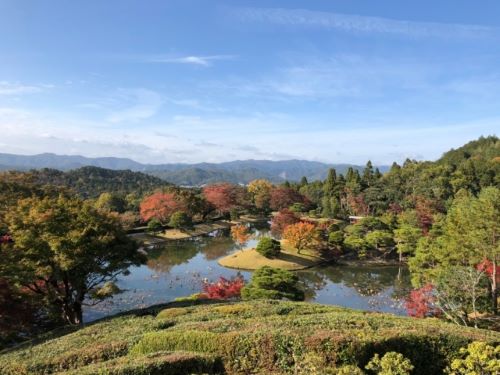
Sprawling across the lower foothills of Mount Hiei in northeastern Kyoto, Shugakuin Imperial Villa (Shugakuin Rikyu) stands out for its massive scale and elevation changes. Constructed in the mid-17th century by Emperor Go-Mizunoo, this imperial estate is divided into three distinct villas connected by scenic walking paths that slice straight through active, terraced rice paddies. The crown jewel is the Upper Villa, where a magnificent lookout pavilion offers sweeping panoramic views over a giant hand-dug lake, using the distant peaks of the Kyoto hills as a breathtaking backdrop.
- How to get there: From Demachiyanagi Station in Kyoto, take the Eizan Electric Railway to Shugakuin Station (approx. 7 minutes). From the station, the villa entrance is a scenic, slightly uphill 20-minute walk through a quiet historic neighborhood. Alternatively, you can take Kyoto City Bus 5 from Kyoto Station or Sanjo Keihan Station and get off at the Shugakuin Rikyu-michi bus stop.
- Best time to visit: Visit in late November for an absolutely unparalleled autumn color experience, as the vast hillside forests explode into a sea of deep crimson, orange, and gold. Spring (early to mid-April) is also spectacular for catching late-blooming cherry trees and fresh green maples, while Summer offers lush, vibrant greenery over the active mountain rice terraces.
- Vegetarian Tip: Because the official imperial tour requires roughly 80 to 90 minutes of continuous walking across uneven hillside paths, you will want to power up beforehand. Head back down towards Shugakuin Station or neighboring Ichijoji to discover incredible, historic tea houses and local bakeries. For a magnificent sweet treat, try traditional red-bean manju or sticky rice dango dumplings at neighborhood confectionery shops. If you are looking for a substantial lunch, Ichijoji is famous as Kyoto’s premier ramen district—while most are pork-heavy, a growing number of progressive shops in the area now offer rich, completely vegan-certified soy-milk or miso ramen bowls.
👉 Read Our Full Guides to This Area: The Ultimate Travel Guide to Shugakuin Imperial Villa: Must-See Spots & Permits
Kurama (鞍馬) and Kibune (貴船): Escape the Summer Heat in Kyoto’s Northern Mountains
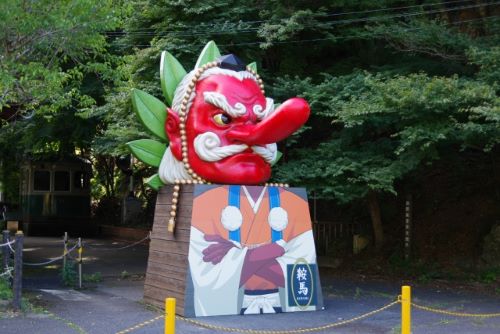
The Kurama and Kibune area is located in the northernmost part of Kyoto City and is a hidden gem to cool off on a hot summer day. Platforms are set above the river where you can rest, enjoy delicious Japanese food, and take in the scenery. Visiting the unique shrines and temples and praying for a happy relationship and good luck are also a must when you stop by Kurama and Kibune.
- How to get there: From Kyoto Station, take the Karasuma Subway Line to Kokusaikaikan Station, then catch Kyoto City Bus #52 to Kurama or Kibune-guchi. Alternatively, take the Eizan Electric Railway from Demachiyanagi Station directly to Kurama Station.
- Best time to visit: Visit in Summer (June to September) to experience Kawadoko river-platform dining and escape the city heat, or mid-to-late November to see the stunning autumn foliage night-time illuminations.
- Vegetarian Tip: While Kawadoko dining is traditionally centered around fish, you can find authentic Buddhist vegetarian cuisine (shojin ryori) served right at Kurama-dera Temple’s mountain gates, or pack plant-based snacks to enjoy along the scenic 60-minute mountain hiking trail that connects the two villages.
👉 Read Our Full Guides to This Area:
- The Complete Hiking Guide to Mt. Kurama-dera Temple
- The Ultimate Travel Guide to the Kurama and Kibune Area
- Kifune Shrine: The Scenic Waterside Shrine and Origin of Ema Plaques
Nagaoka Tenmangu Shrine (長岡天満宮): The Stunning Crimson Azalea Sanctuary

Situated in Nagaokakyo City just southwest of Kyoto proper, Nagaoka Tenmangu Shrine is a peaceful, historic sanctuary dedicated to Sugawara no Michizane, the Shinto deity of learning. The shrine is globally celebrated for its magnificent Hachijo Pond and its legendary central approach path, flanked by massive 150-year-old Kirishima azalea bushes. When these ancient plants bloom, they form a towering, brilliant wall of deep crimson flowers, creating one of the most unique, intensely colorful pathways in all of Japan.
- How to get there: Transit to this suburban gem is incredibly fast and efficient. From Kyoto-Kawaramachi Station or Karasuma Station in downtown Kyoto, take the Hankyu Kyoto Line directly to Nagaoka-Tenjin Station (approx. 10–15 minutes via rapid train). From the station, the shrine entrance and the famous azalea pathway are an easy, flat 10-minute walk along a well-signposted street. Alternatively, if utilizing a JR pass, take the JR Kyoto Line to Nagaokakyo Station, which is a 20-minute walk or a quick 5-minute bus ride away.
- Best time to visit: Visit in late April to witness the legendary Kirishima azaleas reach their short-lived, spectacular peak bloom. Early April is also wonderful for viewing cherry blossoms reflecting across Hachijo Pond, while mid-to-late November offers peaceful, crowd-free autumn foliage strolls around the shrine’s scenic Jinmeisui spring garden.
- Vegetarian Tip: Vegan/vegetarian-friendly spots are extremely limited in Nagaokakyo City. It is best to pack plant-based snacks or bento. You can get vegan bento boxes from Gen.
👉 Read Our Full Guides to This Area: The Ultimate Travel Guide to Nagaoka Tenmangu Shrine: Best Azalea Spots
Klook.comŌhara (大原): A Quaint Rural Town of Ancient Temples and Gardens
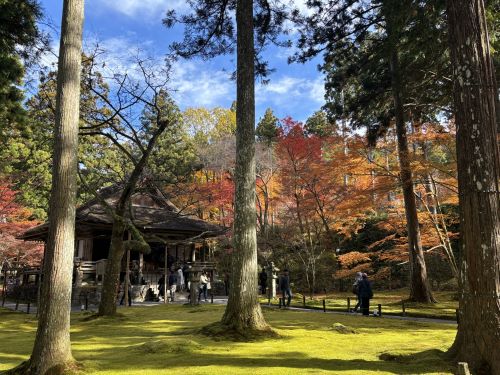
Ōhara, a quaint and quiet town on the outskirts of Kyoto city near the base of Mt. Hiei, is surrounded by beautiful nature. It is the ultimate spot in Kyoto to admire gorgeous Japanese gardens and temples without the usual crowds found in the city center. In addition, there are several fine restaurants in Ōhara and even a Foot Spa Cafe Sansou where you can rejuvenate after a busy day of sightseeing!
👉 Read Our Full Guides to This Area: The Ultimate Travel Guide to Ōhara: Rural Kyoto’s Best Hidden Gem
- How to get there: From Kyoto Station or the Shijo-Kawaramachi area, take Kyoto City Bus #17 or #19 directly to the Ohara Bus Stop (about a 60-minute scenic ride). Alternatively, take the Karasuma Subway Line to Kokusaikaikan Station and transfer to Kyoto City Bus #19 for a shorter bus journey.
- Best time to visit: Visit in mid-November to experience the breathtaking autumn foliage contrasting against the green moss gardens at Sanzen-in Temple, or come in early summer to see thousands of blooming hydrangeas.
- Vegetarian Tip: Ōhara is famous for its locally grown organic vegetables and traditional pickling methods, particularly shiba-zuke (chopped eggplant pickled with red shiso). However, the fish stock is usually used in the traditional restaurants near Sanzen-in. Ohara Riverside Cafe Kirin near Jakkō-in Temple is where you can enjoy a plant-based meal.
Kameoka (亀岡): A Scenic Hidden Gem Accessible by Steam Train
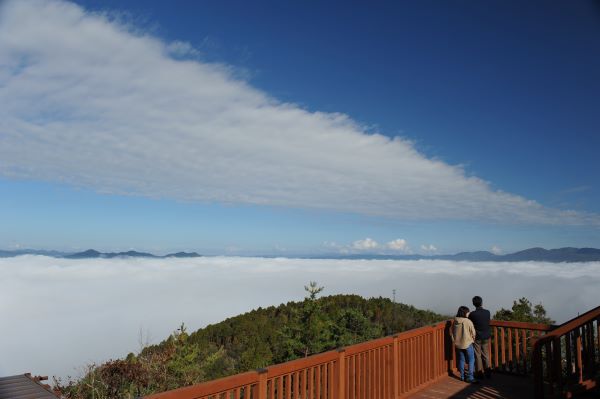
Nestled just beyond the mountains that mark the western border of Arashiyama, Kameoka is a historic castle town that offers the perfect escape from Kyoto’s overtourism. Best known as the launching point for the thrilling Hozugawa River boat rides and the terminal stop for the classic Sagano Romantic Train, Kameoka seamlessly blends feudal samurai history with sweeping valley landscapes and rural charm.
- How to get there: Take the JR Sagano Line from Kyoto Station directly to JR Kameoka Station (about 20 minutes via rapid train). For a more scenic route, take the open-air Sagano Romantic Train (Torokko) from Arashiyama to Torokko Kameoka Station, winding right through the beautiful Hozu River gorge.
- Note that Sagano Romantic Train’s Torokko Kameoka Station is near JR Umahori Station, a station from JR Kameoka Station.
- Best time to visit: Visit in Spring (early April) to walk under the tunnel of 1,500 blooming cherry trees along the Nanatani-gawa River, or in Autumn (October to November) to witness the stunning “sea of clouds” fog phenomenon and see 8 million flowers in bloom at the Yume Cosmos Garden.
- Vegetarian Tip: Vegan/vegetarian-friendly spots are extremely limited in Kameoka. It is best to pack plant-based snacks or bento. You can get vegan bento boxes from Gen.
👉 Read Our Full Guides to This Area:
- The Ultimate Travel Guide to Kameoka: Kyoto’s Underrated Castle Town
- The Complete Guide to Riding the Sagano Romantic Train in Arashiyama
- Hozugawa River Cruise: How to Journey from Kameoka to Arashiyama by Boat
Kyoto Botanical Gardens (京都府立植物園): A Vibrant Oasis of Seasonal Blooms
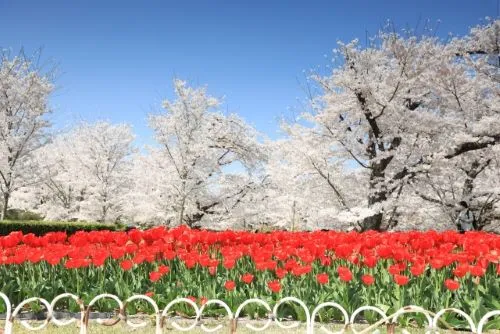
Positioned alongside the scenic Kamo River in northern downtown, the Kyoto Botanical Gardens (Kyoto Shokubutsuen) is Japan’s oldest and most comprehensive public botanical repository. Sprawling across 24 hectares, this living paradise houses over 12,000 distinct plant species. From its massive, futuristic glass-dome conservatory showcasing rare tropical orchids to its meticulously arranged European flower beds, peaceful lotus ponds, and expansive groves of towering bamboo, the gardens offer a deeply relaxing escape into pure color and fragrance.
- How to get there: The transit for this central oasis is incredibly straightforward. From Kyoto Station, take the local Kyoto City Subway Karasuma Line directly north to Kitayama Station (approx. 15 minutes). The station’s Exit 3 opens up immediately at the Kitayama Gate entrance of the gardens. Alternatively, you can take Kyoto City Bus 1 or 205 and hop off at the Shokubutsuen-mae bus stop.
- Best time to visit: Visit in Spring (late March to mid-April) to witness over 450 massive cherry trees—including magnificent, sweeping weeping cherry trees (shidarezakura)—burst into soft pink blooms that are beautifully illuminated after sunset. Autumn (mid-to-late November) is equally breathtaking as the vast maple and ancient doushin tree groves along the garden’s Nakaragi Pond turn into an explosion of deep crimsons and fiery oranges.
- Vegetarian Tip: The surrounding residential Kitayama neighborhood is famous across Kyoto for its highly sophisticated cafe culture and progressive dining. Right near the garden gates, you can find brilliant boutique bakeries and trendy cafes serving specialized vegan-friendly options, organic salads, and artisan soy milks. Inside the gardens themselves, there is a lovely resting pavilion where you can relax with locally harvested green tea and naturally vegetarian wagashi (traditional Japanese sweets), or you can pack a fresh plant-based bento to enjoy as a quiet picnic under the shade of the grand lawn trees.
👉 Read Our Full Guides to This Area: The Ultimate Travel Guide to Kyoto Botanical Gardens: Best Spots to Adore Flowers
Mimuroto-ji Temple (三室戸寺): The Breathtaking Flower Temple of Uji
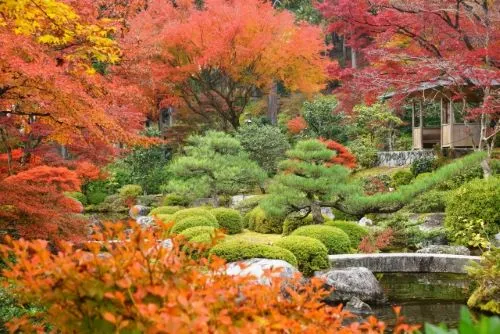
Tucked away in the forested northern hills of Uji City, Mimuroto-ji Temple is affectionately celebrated across Japan as the “Flower Temple” (Hana no Dera). This ancient Buddhist sanctuary, dating back over 1,200 years, features a spectacular hillside garden layout that transitions through mesmerizing waves of color all year round. From its historic main hall fronted by unique sacred stone statues to its three-story vermilion pagoda peeking through the mountain canopy, Mimuroto-ji offers a tranquil, deeply photogenic escape right in the heart of Kyoto’s premier tea-growing region.
- How to get there: From Kyoto Station, take the JR Nara Line down to JR Uji Station (approx. 20–30 minutes). From the station, the temple is easily reached via a short 10-minute taxi ride, or by catching the special seasonal Keihan bus lines that run directly to the temple gates during peak blossom seasons. Alternatively, if traveling via the Keihan Line, take the train to Mimurodo Station, from which the temple is a straightforward, uphill 15-minute walk.
- Best time to visit: Visit in June to experience the temple’s legendary Hydrangea Garden (Ajisai-en), when over 20,000 hydrangea bushes of 50 different varieties burst into spectacular shades of blue, purple, and pink beneath the cedar trees (complete with magical weekend evening illuminations). Alternatively, July is spectacular for witnessing thousands of ancient lotus blossoms blooming in grand pots right before the main hall, while May showcases a dazzling sea of over 20,000 azalea bushes.
- Vegetarian Tip: Uji is the absolute global capital of Uji Matcha (premium green tea)! The good news is that the city also has a couple of vegan-friendly cafes and restaurants, so you don’t need to pack a plant-based bento for your excursion outside the city center! For a list of vegan-friendly spots, refer to our Ultimate Guide to Where to Find Vegan Food in Uji!
👉 Read Our Full Guides to This Area: The Ultimate Travel Guide to Mimuroto-ji: Uji’s Most Picturesque Flower Temple
Mt. Hiei (比叡山): The Sacred Mountain Bordering Kyoto and Shiga
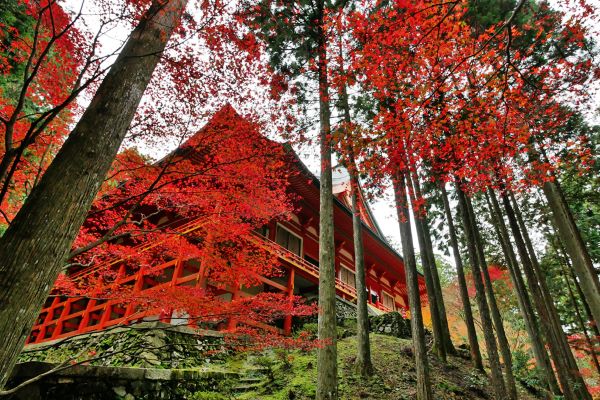
Towering majestically over the northeastern skyline of Kyoto, Mt. Hiei (Hieizan) is one of the most sacred and historically significant mountains in all of Japan. As the cradle of Japanese Buddhism and the birthplace of the Tendai sect, the mountain ridge is home to Enryaku-ji Temple, a massive, sprawling UNESCO World Heritage complex hidden deep within ancient cedar forests. Exploring this serene mountain sanctuary offers breathtaking panoramic views of Lake Biwa on one side and the entire Kyoto valley on the other.
- How to get there: From central Kyoto, take the Eizan Electric Railway from Demachiyanagi Station to Yase-Hieizan-guchi Station. From there, hop on the scenic Eizan Cable Car and Ropeway to reach the mountain summit. Alternatively, you can take a direct highway bus from Kyoto Station or Sanjo Keihan Station straight to the main Enryaku-ji Temple gates (approx. 50–60 minutes).
- Best time to visit: Visit in Autumn (mid to late November) when the mountain forests transform into a brilliant canopy of deep crimson and gold, glowing vividly against the weathered wood of the ancient temples. Late Spring is also fantastic for crisp, cool hiking weather and viewing fresh, bright green mountain mosses.
- Vegetarian Tip: Mt. Hiei is an absolute dream destination for plant-based travelers because it is home to Shojin Ryori (traditional Buddhist vegetarian cuisine). At the Enryaku-ji Kaikan (the temple’s official lodging complex), you can enjoy an authentic, beautifully prepared vegetarian lunch set featuring seasonal mountain vegetables, local tofu, and konjac, all prepared completely free of meat, seafood, onions, or garlic.
👉 Read Our Full Guides to This Area: The Ultimate Travel Guide to Mt. Hiei and Enryakuji Temple: Kyoto’s Most Sacred Mountain Peak
Amanohashidate (天橋立): One of Three Views of Japan
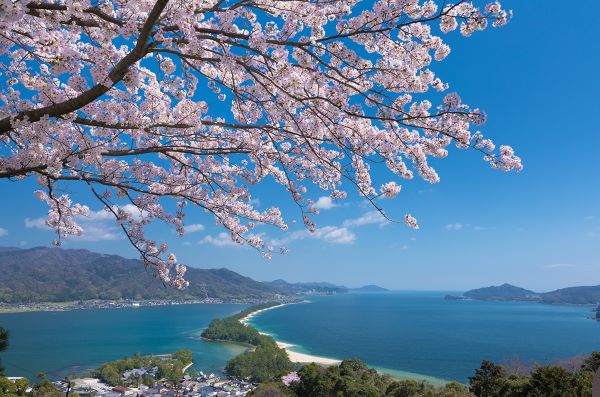
Known for centuries as one of the official “Three Views of Japan” (Nihon Sankei), Amanohashidate is a breathtaking, pine-covered sandbar spanning Miyazu Bay in northern Kyoto Prefecture. Literally translating to “Bridge to Heaven,” this natural masterpiece is best viewed upside down from the mountainsides, a traditional practice called matanozok, which makes the sandbar look like a dragon flying into the sky.
- How to get there: From Kyoto Station, take the JR Hashidate Limited Express directly to Amanohashidate Station (approx. 2 hours and 5 minutes). This route is fully covered if you hold a JR Kansai WIDE Area Pass.
- Best time to visit: Spring (mid-April) to see pine trees framed by cherry blossoms from Kasamatsu Park, or Winter (January to February) to witness the incredibly rare and beautiful “Hieichidori” snowscape covering the sandbar. Visit in Autumn (November) to see the vibrant fall foliage framing the bay from the viewpoints and to experience the crisp, clear coastal air.
- Vegetarian Tip: While coastal Miyazu is famous for seafood, the area around the temple gates features local specialty sweets like Chie no Mochi (sweet pounded rice cakes topped with smooth red bean paste).
👉 Read Our Full Guides to This Area:
- The Ultimate Guide to Amanohashidate: Visiting the Bridge to Heaven
- Chion-ji Temple: Pray for Wisdom at Amanohashidate’s Sacred Gate
- Nariaiji Temple: The Sacred Mountain Temple Overlooking Amanohashidate
Ine Bay (伊根湾): The Charming Floating Fishing Village of Kyoto
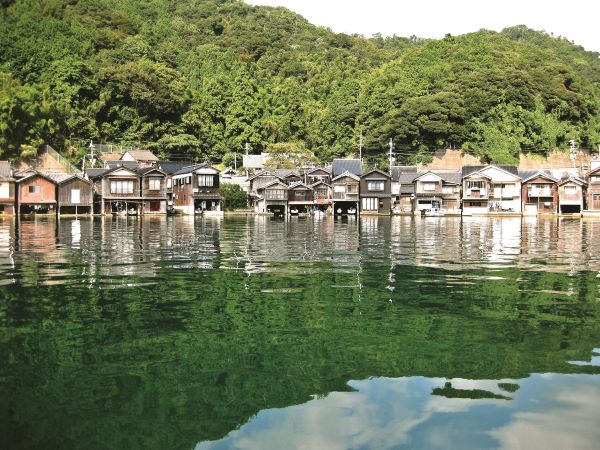
Located on the rugged coast of northern Kyoto Prefecture, Ine Bay is home to one of Japan’s most unique and photogenic coastal settlements. The town is famous for its 230 historic Funaya (wooden boat houses) that line the water’s edge. With the first floor serving as a garage for boats and the second floor acting as the family’s living quarters, the entire village looks as if it is floating peacefully directly on the sea.
👉 Read Our Full Guides to This Area: The Ultimate Travel Guide to Ine Bay: Kyoto’s Floating Boat Houses
- How to get there: From Amanohashidate Station, take the Tankai Bus (bound for Ine, Kamanyu, or Kyogamisaki) and get off at the Ine bus stop (approx. 50–60 minutes). If you are coming directly from Kyoto Station, take the JR Hashidate Limited Express to Amanohashidate, then transfer to the local bus.
- Best time to visit: Spring (April to May) or Autumn (November) for mild coastal weather and clear blue skies, perfect for renting a free community bicycle to explore the bay. Winter brings a stunning layer of snow over the thatched and tiled roofs of the boat house, though bus schedules may face weather delays.
- Vegetarian Tip: While Ine is an active fishing village dominated by seafood, plant-based travelers can find a dedicated haven at Nagisa. The restaurant offers vegan meal options, making it the perfect spot to sit back and enjoy a plant-based lunch right by the water. After eating, be sure to stop by Mukai Shuzo, a historic, female-run brewery nearby, to try Ine Mankai—a unique, naturally vegan red sake made from ancient purple rice.
Miyama Kayabuki no Sato (美山 かやぶきの里): Traditional Thatched-Roof Village
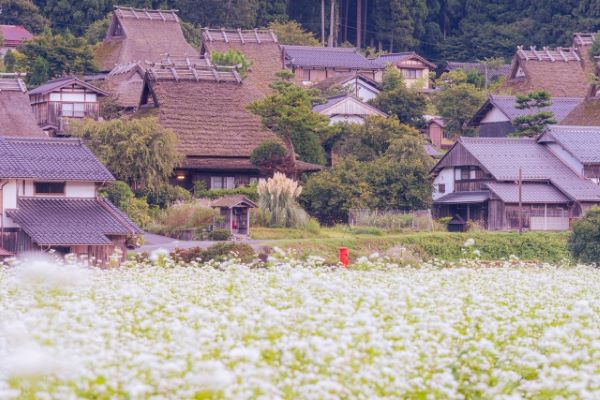
Hidden away in the rural mountains of Nantan City, Miyama Kayabuki no Sato is a living museum that preserves the idyllic charm of old Japan. Boasting the highest concentration of traditional thatched-roof farmhouses (kayabuki) in the country, this peaceful satoyama (agricultural mountain foothills) village offers a stark, meditative contrast to the concrete city centers. Walking past the active rice fields and moss-topped Edo-period homes feels like stepping entirely backward in time.
- How to get there: From Kyoto Station, take the JR San-in Main Line to JR Sonobe Station or JR Hiyoshi Station. From either station, transfer directly to the local Nantan City Bus line bound for the Kita (Miyama Kayabuki no Sato) bus stop (the total journey takes about 90–100 minutes and requires careful alignment with regional bus timetables).
- Best time to visit: Visit in Autumn (mid-to-late November) to see the surrounding mountains explode into fiery reds and oranges against the neutral tones of the thatched roofs. Winter (late January to early February) is also legendary for the magical Snow Lantern Festival (Yuki Tourou, 冬灯廊), where the entire village is illuminated at night.
- Vegetarian Tip: Because Miyama is highly remote, dining options within the immediate heritage village are limited to a small handful of traditional cafes and noodle shops. Skilled local artisans handmake excellent buckwheat soba noodles using pure mountain water, which is a fantastic choice—just ensure to request a simple soy-sauce dipping sauce instead of standard fish-based dashi. You can also enjoy the noodles with salt. For sweet treats, the local cafes serve delicious, naturally vegetarian dango (sweet rice dumplings) and puddings made from fresh Miyama mountain milk.
👉 Read Our Full Guides to This Area:
Nantan City (南丹市): Breathtaking Waterfalls, Onsens, and Nature Parks

Spanning a massive, forest-covered portion of the central Kyoto highlands, Nantan City is a rural paradise packed with stunning natural wonders, pristine river gorges, and engineering marvels. From hiking the scenic 4-kilometer-long trail through the Ruri River Valley Natural Park to witnessing the massive scale of the Hiyoshi and Ōno Dams, Nantan offers an idyllic escape. It is also home to Ryūonji Temple, a quiet, sacred sanctuary that features one of the most breathtaking, low-crowd autumn foliage approaches in the entire Kansai region.
- How to get there: Because Nantan City is vast, your transit options depend on your specific destination. To reach the Hiyoshi Dam area, take the JR San-in Main Line from Kyoto Station to JR Hiyoshi Station, then catch the Nantan Municipal Bus to the Springs Hiyoshi stop (approx. 50 mins total). For the Ruri River Valley, take the JR San-in Main Line to JR Sonobe Station and catch the local connecting community bus or a taxi.
- Best time to visit: Visit in mid-to-late November when the fallen leaves create a brilliant red carpet along the stone steps of Ryūonji Temple, and the forests surrounding the dams change color. Alternatively, early April is spectacular for cherry blossom viewing around the banks of Lake Nijinoko (the reservoir behind Ōno Dam), where flowers peak about a week later than in downtown Kyoto.
- Vegetarian Tip: As a deeply rural area, restaurant options are sparse and heavily focused on local game or fish dishes. That said, there are a few vegan-friendly spots in the nature-rich city. You can find more information on HappyCow.
- Alternatively, pack a bento or pick up plant-based snacks at Kyoto Station before boarding the train. You can get vegan bento boxes from Gen.
👉 Read Our Full Guides to This Area:
Gorō Sky Tower (五老スカイタワー): The Best Panoramic Views in the Kansai Region
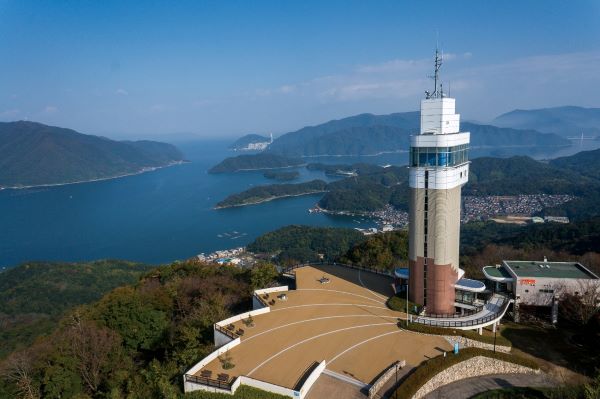
Perched majestically atop the 301-meter-high ridge of Mount Gorō, the Gorō Sky Tower offers a sweeping, bird’s-eye view of Maizuru Bay and its intricate, indented coastline. This spectacular panoramic vantage point is so stunning that it has been voted the number one view in the entire Kansai region. From the observation deck, you can watch ships glide across the deep blue waters of the port while taking in the dramatic mountain peaks that encircle this historic naval city.
- How to get there: Take the JR San-in Main Line Limited Express (such as the Maizuru line) from Kyoto Station directly to JR Higashi-Maizuru Station (approx. 1 hour and 40 minutes). From the station, the tower is best reached via a 10-to-15-minute taxi ride up Mount Gorō, or by a scenic but challenging 60-minute hike up the mountain trail for active travelers.
- Best time to visit: Visit during Autumn (late October to November) for exceptionally crisp, clear air that yields perfect visibility across the bay, wrapped in brilliant mountain foliage. Clear Spring and Summer afternoons are also incredible, offering a vivid contrast between the lush green hills and the deep blue sea below.
- Vegetarian Tip: The Gorō Sky Tower features a charming observation cafe, Sky Cafe Nanako, where you can relax with a drink while enjoying the views. While Maizuru is deeply famous for its Navy Curry (which typically contains meat), the cafe is a wonderful spot to grab fresh citrus juices, local sweets, and coffee. For a proper plant-based meal, head back down into Higashi-Maizuru to browse local grocery stores for fresh regional fruits, or pack a savory bento from Gen in Kyoto’s city center to enjoy as a high-altitude picnic at the mountain summit.
👉 Read Our Full Guides to This Area:
- The Ultimate Travel Guide to Maizuru: Exploring Kyoto’s Historic Naval Base
- Gorō Sky Tower: How to Experience Kyoto’s Most Beautiful Coastal Panorama
Kyotamba (京丹波): Hiking Trails, Limestone Caves, and Local Delicacies
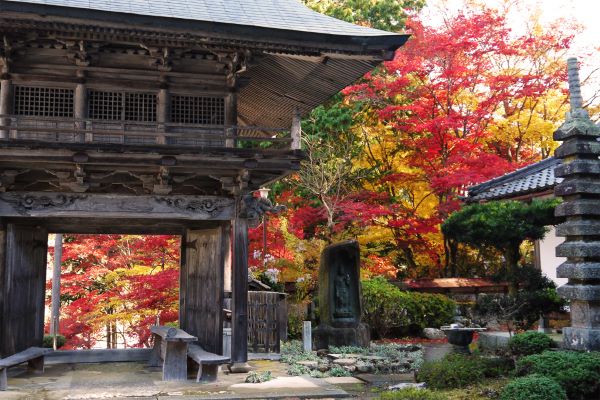
Tucked away in the green, misty valleys of central Kyoto Prefecture, Kyotamba is an absolute paradise for food lovers and outdoor enthusiasts alike. Known across Japan as the historic “food basket” of Kyoto, this lush highland region is legendary for producing the country’s finest agricultural goods. Beyond its fertile fields, Kyotamba is home to incredible hidden treasures, such as the Shizushi Limestone Cave, the only natural limestone cave in Kyoto Prefecture, as well as quiet forest trails and sweeping mountain passes that remain untouched by mainstream tourism.
- How to get there: From Kyoto Station, take the JR San-in Main Line to JR Sonobe Station (approx. 35 minutes via rapid train). From Sonobe Station, transfer to the local West Japan JR Bus line bound for Fukuchiyama or Kyotamba, and get off at central hubs like Shandai or individual trailheads, depending on your destination.
- Best time to visit: Autumn (October to November) for Kyotamba’s prime harvest season, when the valley is filled with roadside markets selling fresh delicacies and the mountain forests turn brilliant shades of crimson and gold. Early Summer is also beautiful for exploring the cool, underground chambers of the Shizushi Cave to escape the humidity.
- Vegetarian Tip: Kyotamba is arguably the most vegetarian-friendly rural destination in Kyoto because its entire culinary reputation is built on premium, plant-based ingredients! It is world-famous for Tamba Kuromame (massive, sweet black soybeans) and Tamba Kuri (giant, sweet chestnuts), alongside rich matsutake and maitake mushrooms. Stop by the bustling Roadside Station Danba Ajimu no Sato (Michi-no-Eki) to feast on naturally vegan black bean mochi, chestnut rice boxes (kurigohan), roasted black soybeans, and an array of incredibly fresh, locally grown mountain vegetables.
👉 Read Our Full Guides to This Area:
- The Ultimate Travel Guide to Kyotamba: Kyoto’s Agricultural Hidden Gem
- Shizushi Limestone Cave: Exploring Kyoto’s Only Underground Cave System
Ayabeshi Bairin Park (綾部市梅林公園): An Off-the-Beaten-Path Plum Blossom Destination
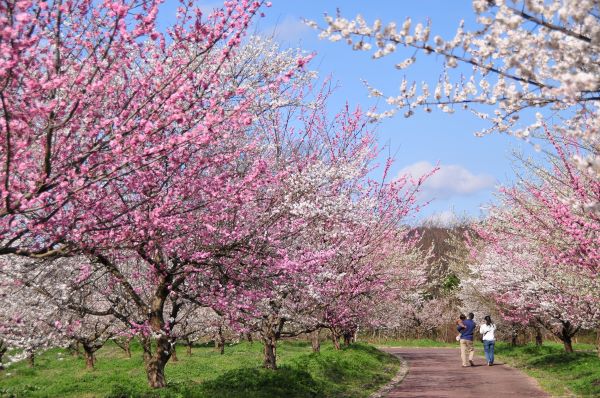
Nestled in the peaceful, rural landscape of Ayabe City, Ayabeshi Bairin Park (Ayabe City Plum Blossom Park) is a breathtaking hidden treasure that comes alive with color early in the year. The park features around 450 plum trees (ume) planted across its rolling hills. While most tourists crowd into central Kyoto for spring flowers, this off-the-beaten-path gem offers a serene, fragrant sanctuary where you can stroll beneath a beautiful canopy of white, pink, and deep crimson blossoms completely free from heavy crowds.
- How to get there: From Kyoto Station, take the JR San-in Main Line Limited Express (like the Hashidate or Kinosaki line) directly to JR Ayabe Station (approx. 65 minutes). From Ayabe Station’s South Exit, the park is best reached by a 15-minute taxi ride, or by a local community bus bound for the Tachicho area.
- Best time to visit: Early to Mid-March, when the plum blossoms reach peak bloom. The park holds its annual Plum Blossom Festival (Ume Matsuri) around this time, featuring local vendors and celebrations amidst the fragrant orchards.
- Vegetarian Tip: Ayabe City is highly celebrated for its traditional satoyama agriculture and organic farming initiatives. While options inside the rural park itself are limited to festival snack stalls, head back toward central Ayabe to visit Ayabe Gunze Square. Here, you can browse local farmer markets for fresh, naturally vegan mountain vegetables, locally made mochi, and premium Kurotani Washi items. For a sweet treat, try the regional plum-infused sweets or pick up sweet red-bean dango to enjoy as a blossom-viewing snack.
👉 Read Our Full Guides to This Area:
- The Ultimate Travel Guide to Ayabe: Kyoto’s Hidden Cultural Sanctuary
- Ayabeshi Bairin Park: How to See Kyoto’s Most Peaceful Spring Plum Blossoms
Fukuchiyama (福知山): A Historic Castle Town with Stunning Gorges
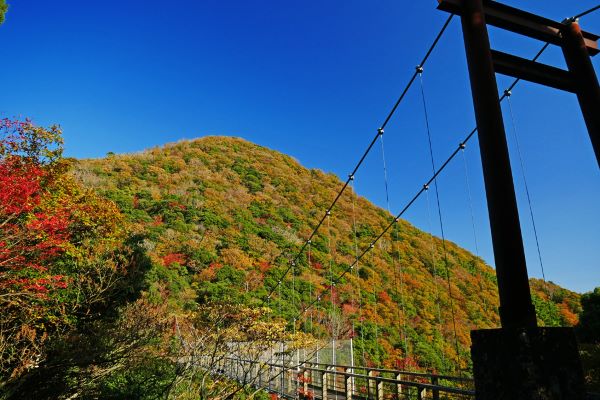
Steeped in feudal samurai history, Fukuchiyama is a captivating city nestled in the northern valleys of Kyoto Prefecture. The city’s crown jewel is Fukuchiyama Castle, a majestic fortress originally reconstructed by the famous samurai warrior Akechi Mitsuhide, featuring unique walls built from dynamic, repurposed stone. Beyond its historic townscape, Fukuchiyama boasts remarkable natural wonders like the breathtaking Futasegawa Gorge, making it a fantastic destination for history buffs and nature lovers trying to escape the crowds of downtown Kyoto.
- How to get there: From Kyoto Station, take the JR San-in Main Line Limited Express (such as the Hashidate or Kinosaki line) directly to JR Fukuchiyama Station (approx. 75 to 80 minutes). Because Fukuchiyama is a major northern transit hub, it is incredibly easy to reach and is fully covered by the whole-Japan JR Pass and the JR Kansai WIDE Area Pass.
- Best time to visit: Visit in Autumn (November) to see the vibrant fall foliage framing the stone walls of Fukuchiyama Castle and covering the dramatic cliffs of the surrounding river gorges. Spring (early April) is also spectacular, as the castle grounds transform into a sea of soft pink cherry blossoms.
- Vegetarian Tip: Vegan/vegetarian-friendly spots are extremely limited in Fukuchiyama. It is best to pack plant-based snacks or bento. You can get vegan bento boxes from Gen.
👉 Read Our Full Guides to This Area:
- The Ultimate Travel Guide to Fukuchiyama: Kyoto’s Historic Castle Town
- Fukuchiyama Castle: Exploring Akechi Mitsuhide’s Historic Stone Fortress
How to Get Around Kyoto: The Ultimate Transit Guide
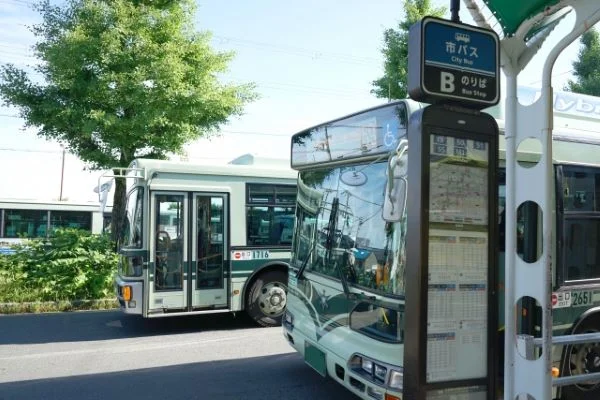
Mastering the trains, subways, and regional buses is the secret to a smooth, stress-free trip through Kyoto Prefecture, especially when venturing out to rural hidden gems. From using your smartphone IC card on local city lines to unlocking huge savings with regional rail passes for long-distance travel up to the northern coast, having a clear transit strategy makes all the difference.
👉Read Our Master Guide: The Ultimate Guide on How to Get Around Kyoto and Its Regions Easily
We visited Kyoto on our last trip to Japan in 2019. Our hotel gave us a very nice map that showed all the places most tourists wanted to go and which bus or buses to take including transfer points, etc. The map was in English and appeared to be something that the city may have produced. We took the bus all over Kyoto with no problem. We used “Suica” cards throughout.