When traveling through Fukushima’s historic Aizu region, discovering the local culinary heritage is just as essential as exploring its samurai roots. Sitting at the heart of this vibrant food scene is Okaishi no Kura Tarō-an (お菓子の蔵 太郎庵). This celebrated local confectionery has been sweetening the community since 1979. Combining traditional Japanese flavors with contemporary Western-style pastries, this cherished regional staple crafts high-quality treats that tell the story of the Aizu landscape. From its humble beginnings in a traditional clay storehouse (kura) to its iconic Aizu no Tenjin-sama pastries, Tarō-an offers a delicious, authentic taste of Fukushima that makes for the perfect travel souvenir or cultural indulgence.
Tarō-an: The Warmth of the Lamp Inside the Storehouse
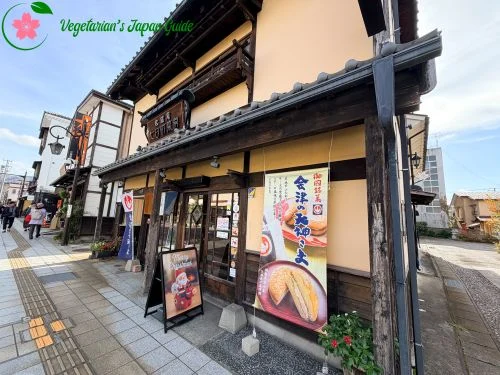
Founded in 1979 in Aizu-Bange (会津坂下), Fukushima, Okashi no Kura Tarō-an (お菓子の蔵 太郎庵) began as a humble family endeavor. The founder, Tokuo Meguro (目黒 督朗), moved his parents’ small backstreet confectionery shop to the main street into a renovated traditional clay storehouse (kura).
Today, Taro-an has grown into one of Fukushima’s most cherished modern confectionery brands, operating 16 locations across the Aizu region. They are known for blending contemporary Western-style pastries with traditional Japanese flavors.
Core Philosophy: “The Spirit of Opening Day & The Warmth of the Lamp”
Taro-an’s approach to business and confectionery is defined by two guiding symbols:
- The Light of the Lamp: The company’s emblem is a classic lamp. This represents their belief that while a small lamp cannot light up the entire world, it can brightly illuminate the immediate footsteps of those around it. For Taro-an, this translates to spreading genuine warmth (nukumori) and passion directly to their local community.
- Today is Opening Day (Honjitsu Kaiten no Kokoro): This motto, prominently displayed in their company headquarters, serves as a daily reminder for the team. No matter how much they grow, they strive to approach every morning with the exact same humility, deep gratitude, and nervous excitement they felt on the day they first opened in 1979.
Signature Pastry Profile: Aizu no Tenjin-sama
If Tarō-an has a best-seller, it is undoubtedly Aizu no Tenjin-sama (会津の天神さま). Selling millions of units annually, this iconic treat is a local favourite and ranks among Fukushima’s most sought-after food souvenirs. It beautifully bridges the gap between Western pastry techniques and traditional Japanese sentiment.
Aizu no Tenjin-sama’s Texture and Flavor
At its core, Aizu no Tenjin-sama is a bouchée, a classic French-style light, round sponge cake.
- The Exterior: The sponge is baked to achieve a dual texture: a slightly crisp, delicate outer crust dusted with powdered sugar, giving way to an incredibly soft, melt-in-your-mouth interior.
- The Filling: The traditional, best-selling version features a rich, slightly savoury salted cheese cream made with Hokkaido salted butter and processed cheese. Tarō-an uses a blend of high-quality butter and fresh cheese, adding a pinch of salt that masterfully cuts through the sponge cake’s sweetness.
- Seasonal Varieties: While the classic cheese flavor is available year-round, Taro-an honors the changing seasons of Fukushima by releasing limited-edition fillings, including strawberry, white peach, matcha, and chestnut.
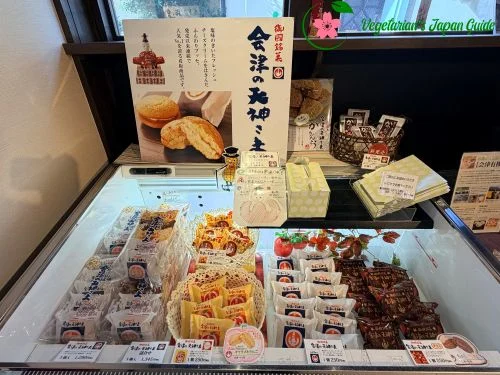
Aizu no Tenjin-sama’s Cultural & Historical Significance
The name Tenjin-sama is not accidental; it links the pastry directly to a deeply revered local custom.
In the Aizu region, there is a historical tradition of gifting Aizu Tenjin dolls, representing Sugawara no Michizane, the Shinto deity of scholarship and learning, to newborn boys. Families display these bright red papier-mâché dolls to wish for their children’s healthy growth, intelligence, and a prosperous future.
Tarō-an thought to preserve this culture through sweets. Thus, Aizu no Tenjin-sama was introduced when the shop first opened in 1979. By naming their signature creation after this beloved custom, Taro-an intended for the sweet to carry that same sentiment. It was designed to be a confection shared during family milestones, bringing the same sense of warmth, parental love, and local heritage to the dessert table.
While the Western-style confectionery doesn’t look like a traditional papier-mâché toy, an image of Aizu no Tenjin-sama is printed on the packaging.
Regional Traditional Sweets Tip: Nagatoya is another confectionery maker to find sweets with regional history. Traditional candy sticks (tori-ame or daruma-ame) date back to the Edo period, whereas Tarō-an connects to regional folklore through a modern, post-war pastry format.
Product Spotlight: Aizu Cheese Manju Kuitchi
The hidden gem at Taro-san is Aizu Cheese Manjū Quichee (会津チーズ饅頭くいっちい). While Aizu no Tenjin-sama is their undisputed flagship sponge pastry, Quichee is a long-selling, fan-favorite baked manjū (traditional Japanese steamed or baked bun) that completely flips the script on what a traditional sweet can be.
A Clever Play on Words
The name “Kuitchi” is a brilliantly playful double entendre:
- Local Dialect: In the regional Aizu dialect, kuitchi (くいっちぃ) means “I want to eat it!”
- The confectionery maker transformed the phrase into a Western-style manjū filled with cheese. Even the skin is cheese-infused! Unlike other manjū buns in Japan, Taro-an’s Quichee pairs well with wine, too!
- English Wordplay: It’s simultaneously a phonetic blending of the English words “Quickly” and “Cheese”, hinting that the snack is so addictive, you will finish it quickly and immediately want to grab another.
The Flavor Profile: A Savory Twist
Unlike standard Japanese manjū, which are typically filled with sweet red or white bean paste, Quichee is unapologetically all about the cheese.
Tarō-an infuses rich, aromatic cheese into the golden-baked dough crust, then packs the centre with a whole core of smooth, savory cheese cream. The result is a wonderfully rich, melt-in-your-mouth pastry, where the cheese’s saltiness perfectly counters the subtle sweetness of the baked exterior. Because it tastes more savory and rich than your average Japanese sweet, Tarō-an even highly recommends it as a sophisticated pairing companion for a glass of wine or an evening drink.
In recent years, Taro-an updated its Quichee packaging with a striking, modern cat illustration designed by a talented student from Fukushima’s local Aoi High School, adding a youthful, community-driven charm to this timeless long-seller.
Our Visit to Tarō-an Nanukamachi Kabō (お菓子の蔵太郎庵 七日町菓房)
Taro-an’s Nanukamachi branch also has a cafe. While it isn’t spacious, you can enjoy the snacks purchased with a cup of free tea. Affordable cakes and dessert sets with coffee or tea can also be ordered.
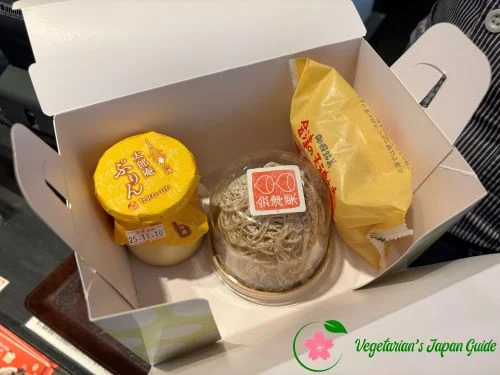
We visited Tarō-an before lunch. As we only had a day in Aizu-Wakamatsu, we didn’t have time to dine in. Instead, we wanted to enjoy Tarō-an’s sweets as desserts after dinner. But we were worried that their best sellers, including the special edition Tenjin-sama (会津の天神さま) in caramel apple flavour and Tarō-an pudding, would be sold out by late afternoon. Fortunately, the staff were kind enough to keep what we wanted until we were done for the day, so the confectionery stayed refrigerated and fresh!
She didn’t even ask her to pay first! The amount of trust that the staff had in people really made us happy. It means that the locals keep their promise and that is what we really should be doing!
Moreover, Taro-an Nanukamachi Kabō has a small gallery that exhibits ink paintings by Yokota Arata (横田 新) depicting Aizu’s culture.
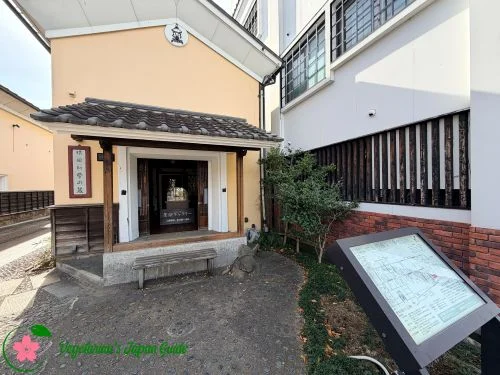
We also found these lucky gods’ wooden statues at the small resting space between the gallery and Tarō-an. So, we can’t help but take a photo with them!

Tip: If the sweet potato dango rice cake skewers are available, order them. You can hardly find dango made with sweet potatoes anywhere else!
Tarō-an Nanukamachi Kabō’s Business Hours and Access Information
- Tarō-an Nanukamachi Kabō is open from 9:30 am to 5 pm
- It is closed on New Year’s Day.
- The gallery inside Yume no Kura (夢の蔵) is open from 10 am to 4 pm.
- The shop is a 3-minute walk from Nanukamachi Station (七日町駅).
Discover Other Top Traditional Sweets Makers in Aizu-Wakamatsu
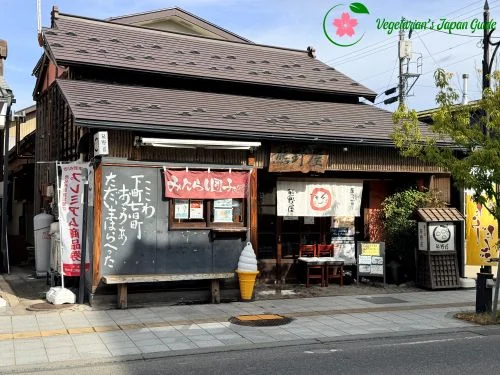
Nanukamachi is a treasure trove for those who love traditional Japanese confections and the charm of historic streetscapes. Beyond iconic stops like Nagatoya, the area offers a variety of specialty shops perfect for souvenir hunting or a sweet afternoon break.
To help you plan your route through this nostalgic district, take a look at our complete list of recommendations here: The Top Shops to Get Traditional Sweets in Nanukamachi.
Other Must-Visit Spots on Nanukamachi-dōri Street
Conveniently located for travelers exploring Fukushima’s history, Taro-an fits right into a day of sightseeing along the region’s most iconic historic avenues. If you are planning a trip to the area, pairing your sweet tooth with a walk down Nanukamachi-dōri Street allows you to experience the authentic Edo-period charm of Aizu’s old merchant town.
For a complete look at the area’s top cultural landmarks, historic spots, hidden gems, and local craft shops, check out our Comprehensive Guide to the Must-Visit Spots on Nanukamachi-dōri Street to help plan your walking itinerary.