

Experience the ultimate spring adventure with this 14-day Tohoku cherry blossom itinerary. While the crowds flock to Tokyo, the northeastern region of Japan offers a more serene and spectacular floral show. From the samurai streets of Kakunodate to the iconic pink moats of Hirosaki Castle, this two-week guide covers the absolute best of Aomori, Morioka, and Hachinohe. Whether you are a photographer looking for the perfect shot or a traveler seeking hidden gems, this Tohoku spring travel guide ensures you won’t miss a single petal!
Summary of the 14-Day Itinerary in Northeastern Japan
The travel plan below is best for anyone who wants to enjoy Tohoku’s cherry blossoms between mid-April and the end of April. That said, it is also suitable throughout the year. The landscape will give you a different impression depending on which season you visit the Tōhoku region.
| Destination | Accommodation in | Attractions | |
| Day 1 | Tokyo | Sendai | |
| Day 2 | Sendai | Sendai | ☛ The cherry blossom spots in Sendai or, ☛ SS30 ☛ Sendai Morning Market ☛ Zuihōden ☛ Murakamiya Mochiten ☛ Sendai Daikannon ☛ Hachinohe Yataimura Miroku Yokochō |
| Day 3 | Morioka | Morioka | ☛ Morioka-jō Castle Site Park & Sakurayama Shrine and other cherry blossom spots in Morioka ☛ Nanshōsō ☛ Kenji Shimizu Water Fountain |
| Day 4 | Morioka | Morioka | ☛ Iwachu ☛ Kōgensha ☛ Fukuda Pan ☛ Hōonji Temple ☛ Morioka Hachimangū Shrine |
| Day 5 | Kakunodate | Hachinohe | ☛ Bukeyashiki Street ☛ Hinokinaigawa Tsutsumi Park |
| Day 6 | Towada | Hachinohe | ☛ Towada City Government Office Street ☛ Towada Art center |
| Day 7 | Hachinohe | Aomori | ☛ Tatehana Wharf Morning Market ☛ Tanesashi Coast ☛ Hasshoku Center |
| Day 8 | Hirosaki | Aomori | ☛ Hirosaki Castle and Hirosaki Park ☛ Fujita Memorial Garden ☛ Ōtemon Square – Miniature Structures ☛ Former Tōō Gijuku Missionary Residence and its cafe |
| Day 9 | Aomori | Aomori | ☛ Gappo Park ☛ Showa Daibutsu ☛ Aomori Museum of Art ☛ A-FACTORY ☛ Aomori Prefecture Tourism Information Center ASPAM |
| Day 10 | Mt. Iwaki | Ichinoseki | ☛ Mt. Iwaki |
| Day 11 | Ichinoseki | Ichinoseki | ☛ Genbikei Gorge ☛ Sake Brewery Sekinoichi ☛ Beibikei Gorge |
| Day 12 | Kichijōji | Tokyo | ☛ The unique cafes in Kichijoji ☛ Inokashira Park |
| Day 13 | Kawagoe and/or Tokorozawa | Tokyo | ☛ Kawagoe ☛ Tokorozawa Kitada Strawberry Farm ☛ Kadokawa Musashino Museum |
| Day 14 | Tokyo |
Tips:
☛ Get the JR EAST Tohoku Pass and use it from Day 1 to Day 5 for this itinerary.
☛ If you want to wear a kimono (the traditional costume) during this trip, do so when you visit Kawagoe. For the itinerary above, make sure your Day 13 is on the 8th, 18th, or 28th of the month. These three days of the month are Kawagoe’s Kimono Day. Dressing in a kimono during these three days entitles you to special perks and discounts at participating shops, restaurants, and attractions.
Day 1 – Arriving Tokyo
Haneda/Narita Airport ⇒ Tokyo ⇒ Sendai
The trip to Japan’s Northeastern region starts on Day 1. Depending on when your flight arrives, you may or may not have time for proper sightseeing on the first day. If you arrive in the afternoon, take the bullet train straight to Sendai so you can start exploring on Day 2 in the morning.
If you are feeling unsure about how to travel from Haneda/Narita Airport to Tokyo, refer to the information below:
If you haven’t already, reserve and purchase a bullet train ticket from Tokyo to Sendai, and from Morioka to Kakunodate. You can choose the reserve seats before obtaining your JR East Tohoku Pass. Of course, you can also choose the purchase the Shinkansen tickets without a JR Pass.
Day 2 – Sendai
Sendai has a couple of cherry blossom spots you can check out on Day 2 if you plan to visit the city in mid-April. We have listed them below.
If your travel dates are outside of Senda’s cherry blossom season, Tōhoku region’s biggest city has other amazing attractions you can visit. Besides Sendai Castle, it is where you can adore one of the area’s most amazingly built temples. The level of detail in the architecture of Zuihōden Temple is astonishing.
Moreover, the city also has a couple of good cafes worth visiting for the famous Zunda-related desserts. After resting, you can head to Sendai Daikannon to see the gigantic Kannon Bodhisattva statue.
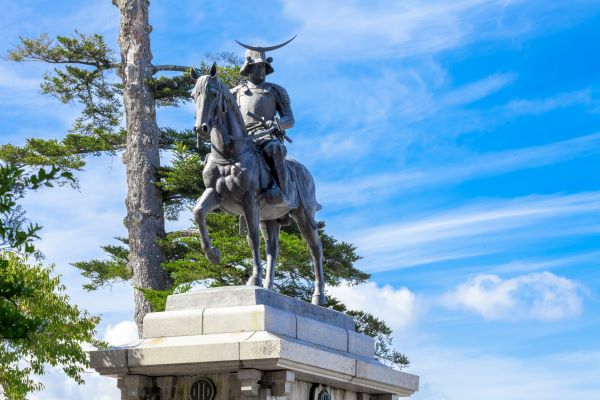
For more information about the attractions in the city, refer to our Sendai article!
If you are a Hanyu Yuzuru’s fan, you can also refer to our article on a Pilgrimage to Hanyu Yuzuru’s Hometown!
Day 3 and 4 – Morioka
Sendai ⇒ Morioka
We allocate 2 days to Morioka, so you will have enough time to explore the attractions that interest you.
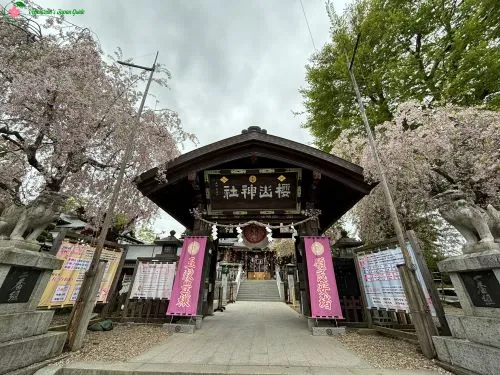
The next city to see the cherry blossoms is Morioka. You will be amazed by the view created by 250 cherry trees in Morioka-jō Castle Site Park. There is also a cherry tree in Morioka city center that grows from a granite crack.
For more information about where to see the cherry blossoms in Morioka, refer to our article on Morioka’s Top Cherry Blossom Spots.
So, when you are ready, hop onto the bullet train and head north!
If your travel dates are outside Morioka’s cherry blossom season, the city, famous for wanko soba noodles has several more attractions that we love. For example, Iwachu is where you can see a cast-iron pot made on the spot.

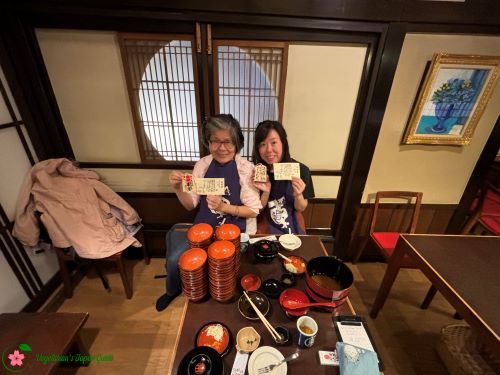
For a relaxing visit, you can head to one of the cafes in the city for an afternoon tea between attractions. Then head to Azumaya Honten for Wanko Soba for dinner. Just note that the Wonko Soba restaurants in Morioka won’t be able to provide vegan dipping sauce. If you are strict with your diet, please bring your own.
For more information about Morioka, refer to our article on What to Do and See at Iwate’s Capital City!
Regarding accommodation in Morioka, we recommend staying at a hotel near Morioka Station to make it easier to reach Kakunodate on Day 5.
Day 5 – Kakunodate
Morioka ⇒ Kakundate ⇒ Morioka
Because Kakunodate is one of the top cherry blossom spots in the Tohoku region, it is best if you can take the first or second train of the day to avoid crowds. But don’t worry. The crowd level in the small town is nothing compared to Tokyo. Thus, even if you start your Day 4 late, you will still be able to enjoy what Kakunodate has to offer.
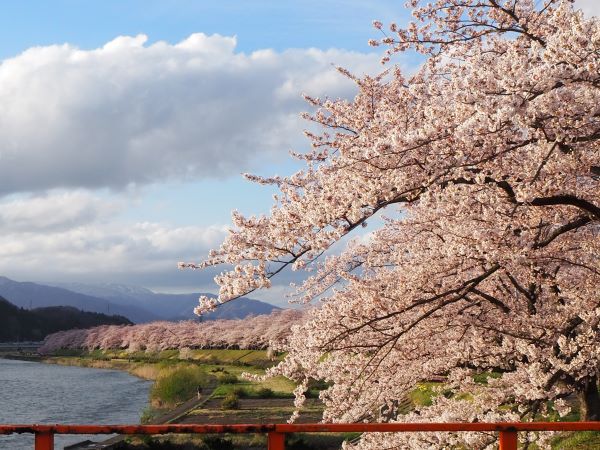
The Hinokinaigawa Tsutsumi Park and Bukeyashiki Street (武家屋敷通り) in Kakunodate are famous cherry blossom spots in the Tōhoku region. This is why spending around 50 minutes on a bullet train to the town of Akita Prefecture in early spring is worthwhile.
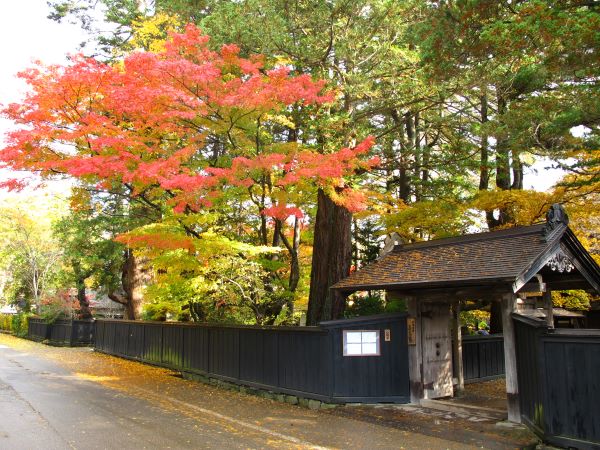
Besides cherry blossoms, you can explore the old samurai residences on Bukeyashiki Street. You can even change into a traditional costume in one of them!
For more information, refer to our article on Kakunodate!
Day 6 – Towada
Morioka ⇒ Hachinohe ⇒ Towada ⇒ Hachinohe
If you want to visit Towada City on Day 5, take the bullet train that arrives at Hachinohe at least 30 minutes before the JR Bus, Oirase-go (おいらせ号), departs for Lake Towada. You won’t want to arrive in Hachinohe minutes before the bus departs, because you need time to either drop off your luggage at your hotel in Hachinohe or leave it in a coin-operated locker or at the Tourist Information Center at the station.
With JR EAST Tohoku Pass, you can take the Oirase-Gō for free. But please note that the service is infrequent. The other option is to take the local bus, which has more services during the day.
For more information about the JR bus, refer to our article on How to Get to Oirase Gorge and Lake Towada.
Towada is a top cherry blossom spots in Aomori. The Towada City Government Office Street (十和田市官庁街通り) is just breathtaking during the cherry blossom season. The Towada Art Center (十和田市現代美術館) is also a must-visit in the city center.

At night, you can visit Hachinohe Yataimura Miroku Yokochō in Hachinohe for dinner and experience Japan’s food stall culture.
Tip: It is better to book a hotel near Hachinohe Station. If you stay close to Hon-Hachinohe Station, it is more troublesome on Day 7 as you won’t be able to head straight to Hachinohe Station from Tatehana Wharf Morning Market for the bullet train if you choose to leave your luggage at your hotel.
Day 7 – Hachinohe
Hachinohe ⇒ Aomori
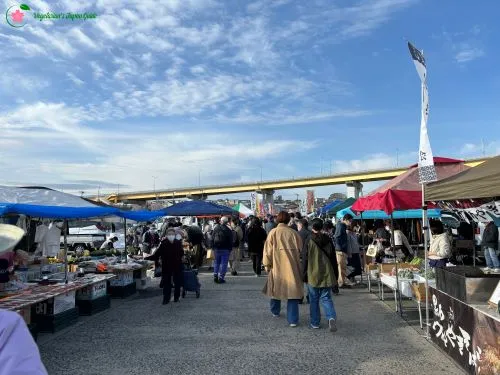
If your Day 6 falls on a Sunday, visit Tatehana Wharf Morning Market in the early morning. It is Japan’s biggest morning market, and we are sure that you will have fun there. Note that the morning market concludes at 9 am so it is best to get there by 7:30 am.
After the morning market, you can take a train to Tanesashi Coast. Trekking through the 5.2 km Coastal Exploration Trail is a relaxing way to enjoy the stunning coastline. In addition to the sandy beach, the Tanesashi Coast has a natural lawn covering much of it!
When you have your fill of Hachinohe, take the bullet train to Aomori. We recommend staying close to Aomori Station, as getting to other destinations in the prefecture would be much easier. But you can also stay close to Shin-Aomori Station, where the bullet train arrives and departs from.
Day 8 – Hirosaki
Aomori ⇒ Hirosaki ⇒ Aomori
Train travel from Aomori to Hirosaki takes around 45 minutes. We recommend starting your day as early as possible!
Hirosaki Park is the best cherry blossom destination in the Tōhoku region. Although it will be crowded, the cherry blossom scenery there is worth the hassle!
In addition to the cherry blossoms, you can explore the city’s historical architecture and cultural properties. The city that produces the most apples in Japan is also renowned for its delicious apple pies.

For more information, refer to our article on Hirosaki.
Day 9 – Aomori
Aomori
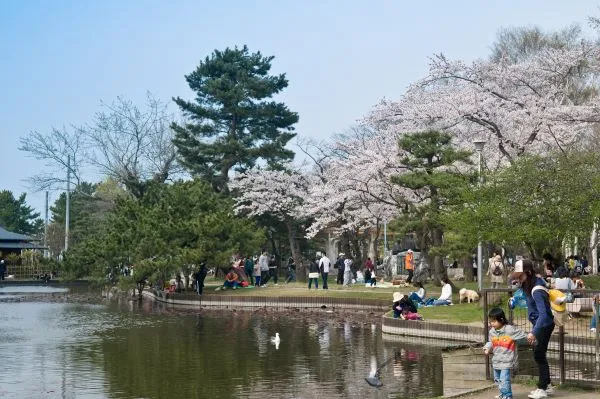
The off-the-beaten-path spot for cherry blossoms in Aomori is Gappo Park. Because the 670 cherry trees bloom from late April to early May, it is one of the venues for the Aomori Spring Festival. You can also visit Namioka Castle Ruins. This spot is located in the rural part of the city and is unlikely to be packed.
But if you are tired of flower hunting, visit a couple of museums in the city center. Or even the Sannai Maruyama Special Historical Site, a recent addition to the World Heritage list!
For more information, refer to our Aomori article!
Day 10 – Mt. Iwaki
We allocate Mt. Iwaki after Aomori, so the cherry blossoms at the foot of the mountain will be closer to full bloom. There is a 20-km road at elevations of 200 to 450 meters. The road is famed to be the World’s Longest Cherry Blossom Road. It is a hidden gem to visit during the cherry blossom season, from late April to early May.
To get to Mt. Iwaki, take the buses bound for the mountain from Hirosaki.
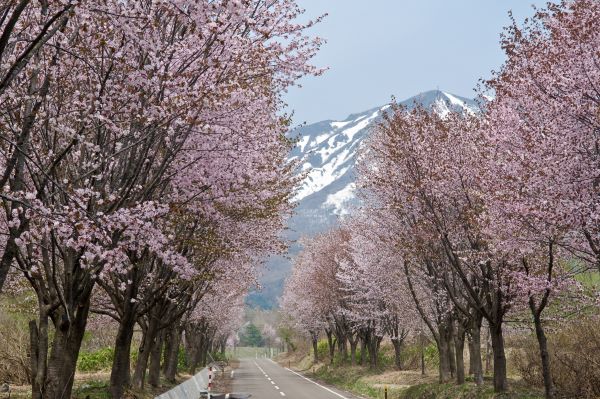
For more information, refer to our article on Mt. Iwaki. You will find the cherry blossom information towards the end of the article.
After you get back to Aomori, take a bullet train to Ichinoseki. Book a hotel near Ichinoseki Station to make Day 11 easier.
Day 11 – Ichinoseki
Aomori ⇒ Ichinoseki
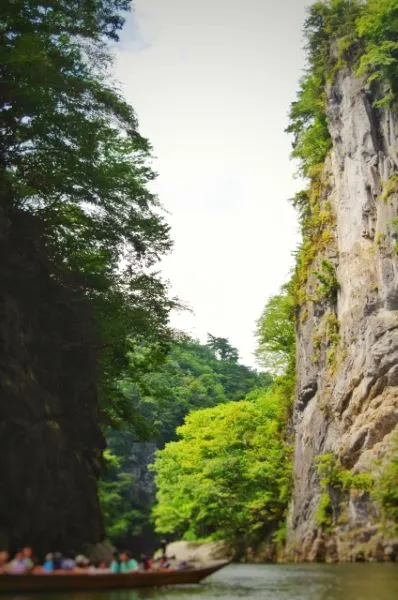
When you are ready to explore on Day 10, take a local train/bus to Genbikei Gorge and/or Geibikei Gorge. While the two attractions are both natural valleys, their characteristics differ.
Note: It takes 40 minutes to get to Ichinoseki Station from Morioka Station by bullet train.
The promenade at Genbikei Gorge allows you to trek through the gorge. It is also where you can see mochi rice cakes “flying” across the bank. On the other hand, at Geibikei Gorge, a traditional boat will take you to the other end of the deep valley.

The local specialty in Ichinoseki also differs from that in Morioka. The mochi rice cake cuisine here is a must-try. And the good news is that a few restaurants can cater to vegans!
For more information, refer to our article on Ichinoseki!
Day 12 – Tokyo/Kichijoji
Ichinoseki ⇒ Tokyo
On Day 12, take a bullet train to Ikebukuro from Ichinoseki. To make Day 12 easier, book a hotel close to Ikebukuro Station.
Day 12 is reserved for anything you want to do in Tokyo. If you are unsure where to go, consider Kichijōji. It is a quieter area in Tokyo with many boutique shops and restaurants. We particularly love the unique cafes there!
Refer to our Kichijōji article for ideas about what to do there!
Other destinations close to Tokyo include Kamakura, Enoshima, Mt. Fuji/Kawaguchiko, and Hakone, all of which are popular day-trip destinations from Tokyo!
Day 13 – Kawagoe and/or Tokorozawa
Tokyo/Ikebukuro ⇒ Kawagoe/Tokorozawa ⇒ Ikebukuro/Tokyo
Most trains bound for Kawagoe stops at Ikebukuro. This is why you would want to stay close to Ikebukuro Station on Day 12.
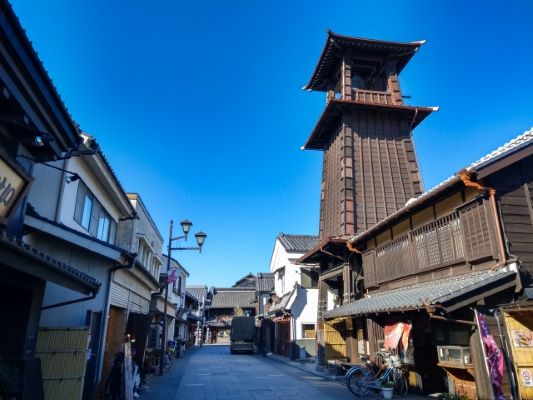
Known as Little Edo (小江戸), Kawagoe offers both traditional vibes and the conveniences of a modern city! Walking in the town will make you feel like you have traveled back to the Edo and the Meiji/Taisho periods. Recognized as Saitama Prefecture’s Historical City, Kawagoe houses many historical and cultural properties.
On top of that, there are many delicious street food shops, cafes, and restaurants that you would want to stop by when you visit the retro district of Kawagoe!
For more information, refer to our article on Kawagoe!
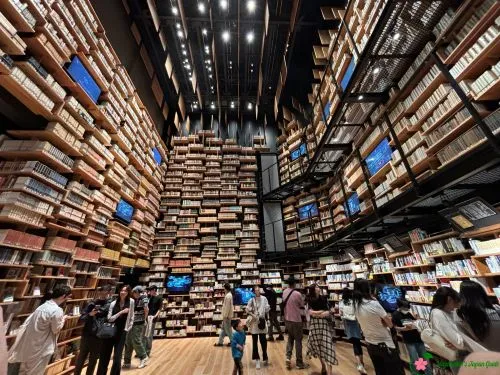
If you are interested in modern architecture, visit the Kadokawa Musashino Museum nearby. You will definitely be amazed by the building’s appearance. And don’t call it a day after seeing the museum’s magnificent exterior. The 8-meter-tall hall, with all the walls lined with bookshelves, is a must-see in the building!
In addition to the Kadokawa Musashino Museum, you can spend a few hours fruit-picking. Refer to our article on Fruit-picking in Tokorozawa for more information!
Day 14 – Tokyo and Departure
Tokyo ⇒ Haneda/Narita Airport
Depending on when your flight departs, you may or may not have time for proper sightseeing on the last day. If your flight leaves in the morning, it’s best to stay close to a station with a direct train or near an airport limousine bus stop.
For example, we usually stay near Ueno Station when we fly from Narita Airport. Keisei’s Skyliner is a lot cheaper than Narita Express. If you fly from Haneda Airport, consider staying around Shinagawa Station so that you can take Keikyu’s airport line.
Planning to Spend More Than 14 Days in Japan? Check Out the Itinerary to Other Parts of Japan!
If you have more than 14 days to spend in Japan and are struggling to decide where to visit next, we have a couple more itineraries to other parts of Japan with fascinating attractions!
Please refer to our Japan Itinerary Category for more information!
Hi,
I am interested in your “The Best Cherry Blossom 14 day Itinerary in the Tohoku Region”.
Is there a pass that I can consider for this itinerary?
I have assumed that this itinerary can be done via public transport as I do not intend to drive.
My current plan is to fly into Tokyo Narita Airport ETA 9am 17 Apr, and out of Tokyo Narita on 29 Apr ETD 5pm.
Thank you for your help.
Rgds,
seok
Hello Seok,
Depending on your itinerary, the JR East Tohoku Area Pass might be worth it.
https://shorturl.at/jvTX2
You can use one of Japan’s transport all to determine the price of individual train trip and compare the sum to the price of the pass.
https://visitjapan-vegetarian.com/the-most-useful-apps-for-traveling-in-japan/#The-Most-Useful-Transportation-Apps-for-Traveling-in-Japan
Kind regards,
Lily