Kansai Region

Mie, Shiga, Kyoto, Osaka, Hyōgo, Nara, Wakayama

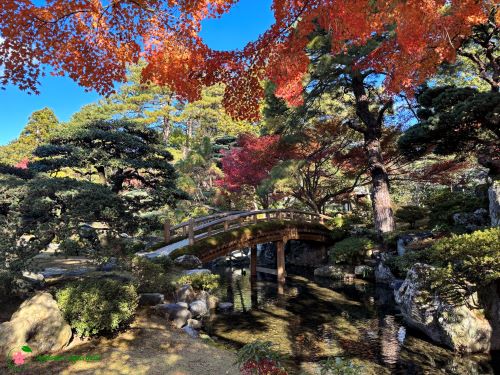
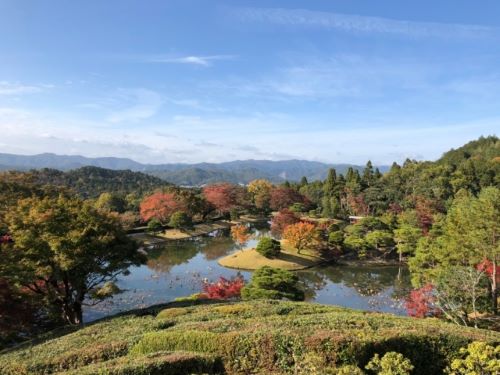
View-from-Rinuntei-in-Upper-Villa-Shugakuin-Imperial-Villa-Kyoto

The Must-See Spots in Shugakuin Imperial Villa

Shugakuin Imperial Villa (修学院離宮) at the west foot of Mt. Hiei (比叡山) is a facility belonging to the Japanese imperial family that has earned a 2-Star rating from the Michelin Green Guide. It was designed by the retired Emperor Go-mizuno’o (後水尾上皇) with the idea of a villa in the countryside with beautiful scenery in every […]

The Must-See Spots in Shugakuin Imperial Villa Read More »

Suhama-Kyoto-Sento-Imperial-Palace-Japan

The Best Guide to Kyoto Sentō Imperial Palace’s Must-See Spots

If Kyoto Imperial Palace iis on your itinerary, consider applying for a permit to enter Kyoto Sentō Imperial Palace (仙洞御所). The palace is renowned for its picturesque fall scenery. Many people also visit the palace for its garden view, decorated with blooming flowers in spring. As only 250 people are allowed to enter this part

The Best Guide to Kyoto Sentō Imperial Palace’s Must-See Spots Read More »

Keyakibashi-Bridge-and-Horai-Island-at-Oikeniwa-Garden-Kyoto-Imperial-Palace-Kyoto-Japan

The Ultimate Guide to What to See at Kyoto Imperial Palace

Amongst the many attractions in Kyoto, Kyoto Imperial Palace (京都御所) in the city center is definitely listed at the top of the tourist bucket list. The spot where Japanese imperial families resided from 1331 until 1869 is the best place in Japan to peek into the life of those of a high social status centuries

The Ultimate Guide to What to See at Kyoto Imperial Palace Read More »

The Best Guide to Kanga-an and Its Amazing Fucha Ryōri

You have probably heard of Shojin Ryōri, commonly found in Japanese temples. But how about Fucha Ryōri (普茶料理)? Fucha Ryōri is Shojin Ryōri introduced from China, so while they are both monk cuisines, the style slightly differs. Instead of having one plate per dish per person, Fucha Ryōri’s dishes are usually shared between 4 people.

The Best Guide to Kanga-an and Its Amazing Fucha Ryōri Read More »

Zuishin-in Gokusaishiki Umeiro Komachiezu Sliding Door Painting Kyoto Japan

Zuishin-in: The Splendid Plum and Sliding Door Paintings

Many people visit Japan between mid-March and early April for the cherry blossom. If that is your plan, consider visiting Zuishin-in (隨心院) in Kyoto as well. The temple’s plum blossoms are late bloomers, so you can adore both cherry and plum blossoms on the same trip! In addition, Zuishin-in has splendidly painted sliding door paintings

Zuishin-in: The Splendid Plum and Sliding Door Paintings Read More »

Yawata City Shōkadō Garden Art Museum Yawata Kyoto Japan

Shōkadō Garden Art Museum: The Birthplace of the Shokado Bento

While the crowds flock to Arashiyama, a quiet, historical treasure awaits just south of Kyoto in Yawata City. Shōkadō Garden & Art Museum (松花堂庭園) is far more than a simple Zen retreat. It is a cultural crossroads where culinary history, world-changing invention, and seasonal beauty meet. From its origins as the spiritual home of the

Shōkadō Garden Art Museum: The Birthplace of the Shokado Bento Read More »

Shoboji Temple Henjoto Pagoda Kyoto Japan

Shōbō-ji and Its Stunning Rock Garden and Plum Grove

Close to the mountainous area west of Kyoto Station, besides the weeping cherry blossom, Shōbō-ji (西山正法寺) is a hidden plum blossom spot in Kyoto that only a few know about. The temple is nicknamed a Rock Temple (石の寺) because unique rocks were collected from all over the country. Many of them are placed in its

Shōbō-ji and Its Stunning Rock Garden and Plum Grove Read More »

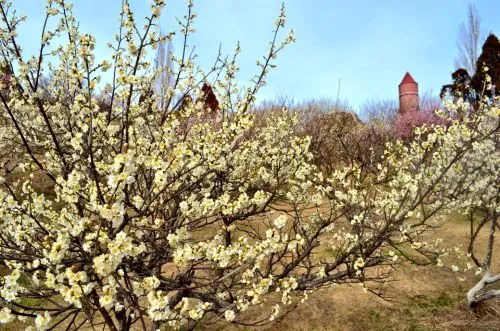
Kinyūji: The Plum Blossom Temple Close to the Kansai Airport

If you land at the Kansai Airport between late February and early March, don’t jump on the train straightaway for Osaka’s city center. The plum blossoms close to Kinyūji might be blooming beautifully upon your arrival. How about starting your trip by detouring to the small temple for the plum blossoms up the hill?

Kinyūji: The Plum Blossom Temple Close to the Kansai Airport Read More »

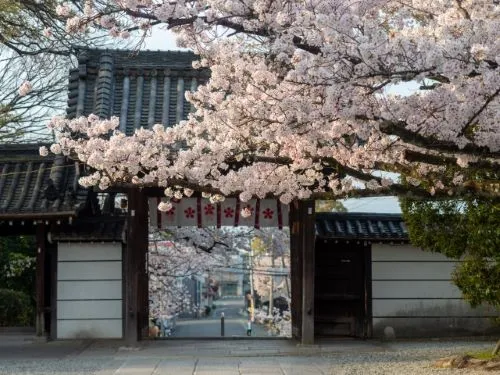
Cherry-Blossom-at-Tenmangu-Shrine-Fujiidera-Osaka-Japan

Dōmyōji Tenmangū: Osaka’s Hidden Plum and Cherry Blossom Spot

If you want to receive blessings for academic success, visit Dōmyōji Tenmangū (道明寺天満宮) in Osaka‘s Fujiidera City (藤井寺市). The shrine that enshrines the God of Learning, Sugawara no Michizane (菅原道真), has a history of more than 1,400 years (founded in 947). Like most Tenmangūs in Japan, plum blossoms can be found in the shrine’s precinct.

Dōmyōji Tenmangū: Osaka’s Hidden Plum and Cherry Blossom Spot Read More »