With its powder-white sands, dramatic coastal bridges, and vibrant coral reefs, Miyakojima City (宮古島市) is home to some of the most breathtaking tropical landscapes in Japan. Located in the heart of Okinawa’s Miyako Islands, this subtropical paradise is a dream destination for beach lovers, outdoor adventurers, and anyone looking to experience the legendary, crystal-clear “Miyako Blue” ocean. Whether you are planning to swim with wild sea turtles at Aragusuku Beach, drive across the iconic Irabu Bridge, or hunt down the best fresh mangoes, this comprehensive travel guide covers the absolute best things to do in Miyakojima City. Read on to discover top island attractions, essential transport tips, and how to maximize your tropical getaway!
The Must-Visit Spots in Miyakojima City
- The Best Time to Visit Miyakojima City
- Miyako Island (宮古島)
- Irabu Island (伊良部島)
- Shimoji Island (下地島)
- Kurima Island (来間島)
- Ikema Island (池間島)
- The Best Snorkeling Spots in Miyakojima City
- Things to Do in Miyakojima Without a Car
- How to Get Around Miyakojima City
- Miyakojima City FAQ
- Discover the Stunning Spots in the Kerama Islands
- Miyakojima vs. Kerama Islands: Which “Blue” is Best?
Enjoy Miyakojima With a Guided Tour
If you prefer a guide to introduce you to the charms of Miyakojima and the surrounding destinations, how about joining one of the following tours?
- Snorkeling Tour to See the Sea Turtle
- Miyakojima Caving & Sea Kayaking Half-Day Tour (Okinawa)
- Starry Sky & Subtropical Jungle Night Tour
- Sunset Kayak Tour
The Best Time to Visit Miyakojima City
Because Miyakojima enjoys a subtropical climate, it remains relatively warm year-round. However, depending on whether you want to swim, avoid the crowds, or enjoy the local harvest, certain months are definitely better than others.
Tip: April to May and September to November are ideal.
Important: Okinawa’s typhoon season typically runs from July to September. Typhoons can cause flight cancellations, ferry suspensions, and beach closures. If you plan to visit during these months, always purchase travel insurance that covers weather-related disruptions and keep a close eye on local forecasts.
- Spring (April – May): The Sweet Spot
April and May are widely considered the best months to visit Miyakojima. The weather is pleasantly warm (around 23°C to 27°C / 73°F to 80°F), making it perfect for snorkeling and beach activities before the intense summer humidity hits.
Important: Avoid “Golden Week” (late April to early May), as domestic tourism surges and prices skyrocket.
- Summer (June – August): Peak Beach Season & Mangoes
If you want to experience the ocean at its absolute most vibrant—the legendary “Miyako Blue”, summer is the time to go. It is hot and humid, perfect for water sports.
Tip: Summer is the peak harvesting season for Miyakojima’s world-famous local mangoes and tropical fruits. You can find incredibly fresh, plant-based treats like mango smoothies, dragon fruit bowls, and local pineapples at roadside farmers’ markets like the Waido Market.
- Autumn (September – November): Great Weather & Fewer Crowds
By October, the summer crowds thin out, but the water remains warm enough for swimming and snorkeling. Temperatures hover around a comfortable 25°C (77°F). It is an excellent time for outdoor exploration without the oppressive summer heat.
- Winter (December – March): Quiet & Cultural
While winter is too chilly for swimming (temperatures drop to around 16°C to 22°C / 60°F to 68°F) and the skies can be overcast, it is the cheapest time to visit. It is ideal for a relaxing getaway focused on driving across the scenic bridges, exploring cultural sites, and enjoying quiet coastal views.
Miyako Island
Miyako Island is the capital of Miyakojima City, where many of the city’s top attractions are located. As the island is also the main transportation hub for the surrounding seven islands, many people base on Miyako Island and make day trips to the other seven.
Yonaha Maehama Beach (与那覇前浜) and Kurima Bridge (来間大橋)
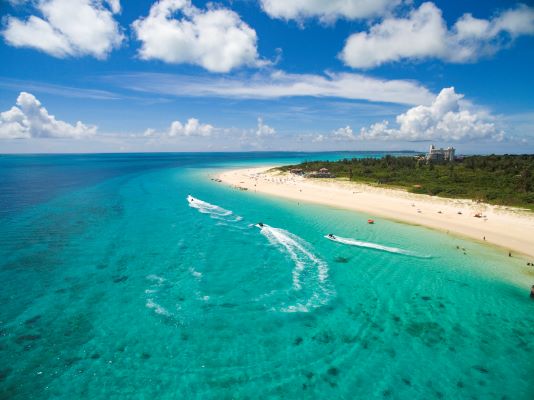
Often praised as having the softest, most powdery white sand in all of Asia, Yonaha Maehama is a must-visit destination on the island’s southwest coast. The view from the shoreline is spectacular, looking directly across the glittering turquoise water toward the sweeping arches of the nearby Kurima Bridge. Whether you want to try thrilling water sports, catch a world-class sunset, or stroll along the pristine shoreline, you can find parking tips, bus access details, and nearby highlights in our complete guide to Yonaha Maehama: The Miyako Islands’ Best Beach.
Cape Higashi-Hennazaki (東平安名崎)
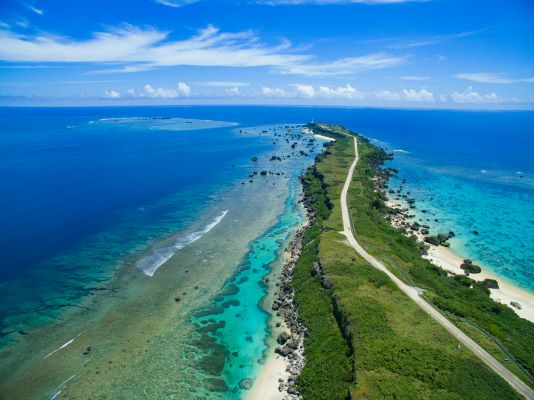
Don’t miss the breathtaking cliffs and panoramic ocean vistas at the island’s easternmost point, which was designated as one of Japan’s National Places of Scenery Beauty. Located just a short drive from the main beaches, Cape Higashi-Hennazaki offers a dramatic 2km peninsula of rugged limestone cliffs, a historic white lighthouse, and sweeping 360-degree ocean views.
For a complete guide on how to get there and the best sunset photo spots, check out our detailed guide to Cape Higashi-Hennazaki, Miyako Islands’ most stunning spot.
Aragusuku Beach (新城海岸)
Ready to swim with sea turtles? Aragusuku Beach is Miyakojima’s premier shore-snorkeling paradise. Thanks to the calm, reef-protected waters, it is incredibly easy for even beginners to get up close with vibrant clownfish colonies and local sea turtles feeding on the seagrass.
To find out exactly where to look for them, when the best tides are, and how to access the free amenities, don’t miss our complete guide to Aragusuku Beach: The Best Beach to Snorkel on Miyakojima.
Boraga Beach (保良泉ビーチ) and the Pumpkin Limestone Cave (パンプキン鍾乳洞)
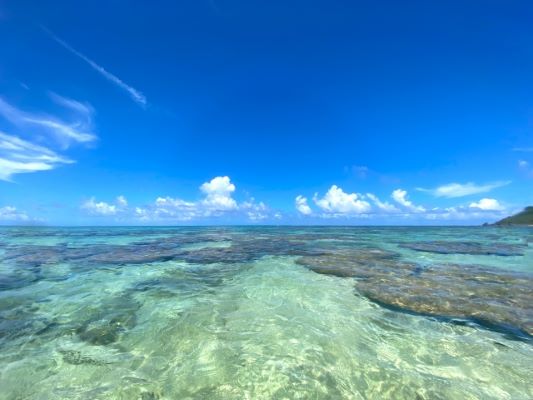
Ready to explore a hidden sea cave? Boraga Beach is the launching point for the famous Pumpkin Hall limestone cave tours. The destination combines beautiful coastal views with thrilling outdoor activities. Unlike some of the flat, sandy shorelines on the island, this beach is framed by dramatic cliffs and features an on-site swimming pool, making it a great, well-equipped stop for families. It is best known as the gateway to spectacular limestone cave trekking adventures accessible only by swimming or kayaking at low tide. To learn how to safely access the cave, when the tides are right, and what water sports are available, check out our complete guide to Boraga Beach, Watersports, and the Limestone Cave (Pumpkin Hall).
Waido Market (ワイドー市場)
So, where can you get some freshly harvested fruits and vegetables?
One of the best places to purchase Miyako-jima-grown tropical fruits is the Waido Market. It is a relatively hidden gem for tourists. Most customers are locals.
Whether it is mangos or dragon fruits you are after, they can all be found at the Waido Market at a cheap price! And when we say cheap, it is usually around 30 to 50% cheaper than other places, such as Atarasu Market (あたらす市場) or Shima no Eki (島の駅)!
For more information, refer to our Miyako Island article.
Yukishio Museum (雪塩ミュージアム)
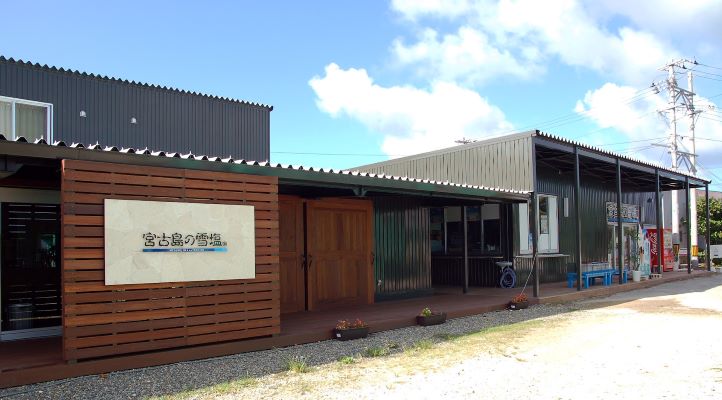
Just before you drive across the breathtaking Ikema Bridge, it is well worth pulling over to stretch your legs at this educational coastal factory. Dedicated to the island’s most famous local export, the facility offers a closer look at how local seawater is transformed into a fine, powder-like salt celebrated across Japan. It is a great air-conditioned stop to escape the midday heat, sample local seasoning blends, and try unique local snacks. Discover everything you need to know in our ultimate guide to the Yukishio Museum.
Shigira Beach (シギラビーチ) and Shigira Hot Spring (シギラ黄金温泉)
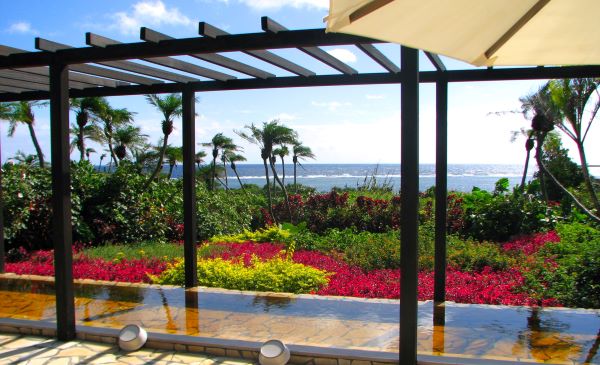
Shigira Beach is another spot on Miyako Island where you are more likely to spot a sea turtle while diving. The beach is really close to the only natural hot spring resort in Miyakojima City. And this wouldn’t be your typical onsen resort, as you will feel like bathing in the jungle!
So how about spending a night at Shigira Hot Spring when you visit Shigira Beach?
For more information, refer to our article on the Complete Guide to the Beaches on Miyako-jima Island for information about Shigira Beach and our Shigira Hot Spring article for everything you need to know about the island’s hot spring resort!
Yamatuga Well (大和ガー)
Miyako Island isn’t all about beaches and watersports. When you need some dry time, there are several cultural and historical sites on the island.
Discover Miyako’s Hidden History: Yamatuga Well is a magnificent example of traditional stone masonry and an essential cultural landmark. While most visitors come to the island for the beaches, stepping off the beaten path to explore its heritage sites offers a completely different perspective on Okinawan resilience. The impressive hidden landmark is an ancient, hand-carved stone well down a steep coastal path that served as a crucial water source for centuries. Discover the full story behind its preservation and how to find it in our overview of Yamatuga Well on Miyako Island.
Irabu Island (伊良部島)
After the magnificent Irabu Bridge was completed in 2015, Irabu Island has become the next most traveled island among the eight islands in Miyako Islands. The island features a couple of off-the-beaten-path beaches and a mysterious blue cave!
Irabu Bridge (伊良部大橋)
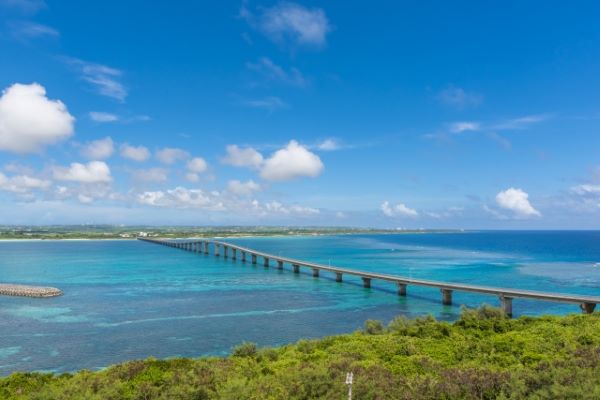
Crossing Japan’s Most Scenic Bridge: The Irabu Bridge offers unmatched panoramic views of the Okinawan ocean. This record-breaking structure serves as the perfect gateway for an island-hopping day trip, seamlessly connecting the main island to the stunning beaches and hidden sea caves of Irabu and Shimoji islands. To find the best panoramic lookout points, safe spots for photography, and sunset viewing advice, see our complete guide to the Irabu Bridge in Miyakojima, Japan’s longest toll-free bridge.
Blue Cave (青の洞窟)
Secret Island Excursion: The Blue Cave on Irabu Island offers some of the most mystical swimming and snorkeling views in Okinawa. While driving across the massive Irabu Bridge gives you incredible views from above, taking a boat along the island’s limestone coastline reveals a completely different world. Deep inside a hidden cliffside cavern lies a natural marine sanctuary where the water glows with a spectacular azure light, surrounded by vibrant schools of sweepers and local marine life.
Check out our comprehensive Irabu Blue Cave Guide for essential tips on boat tours, visibility, and marine life.

Shimoji Island (下地島)
Shimoji-shima Island is the other island in Miyakojima City equipped with an airport. Although its size isn’t the biggest in the region, Shimoji Island has a few natural attractions you won’t want to miss out on when you visit this part of Okinawa!
Tōriike Pond (通り池)

Just past the local airport, a beautifully maintained wooden boardwalk leads you through lush coastal vegetation to a pair of stunning, deep-blue circular pools cut into the raised limestone reef. The contrast between the dark, emerald waters and the surrounding jagged gray rock creates an incredibly dramatic landscape that looks almost otherworldly. To discover the fascinating myths behind these waters, the best time of day for walking the trails, and how to get there, check out our ultimate guide to Toriike Pond, the most scenic pond on Shimoji Island.
Kurima Island (来間島)
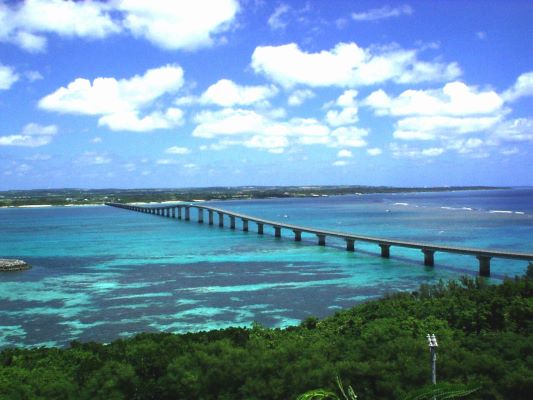
Besides Miyako Island, the next-best island in Miyakojima City is Kurima-jima. The island features observation decks offering spectacular views of Okinawa’s second-longest bridge, Kurima Bridge (来間大橋), with the stunning ocean as a backdrop, along with a couple of other hidden gems for beach-goers!
Ryūgūjō Observation Deck (竜宮城展望台)
The three-story observatory, inspired by the dragon king’s palace, is a popular sightseeing spot on Kurima Island. It is built atop the island’s tallest hill, making it the best spot on Kurima-jima for a panoramic view of the breathtaking ocean, the Kurima Bridge, and Miyako-jima’s best beach, Yonaha Maehama Beach, at the back. You also have Irabu Island (伊良部島) and Irabu Bridge (伊良部大橋) on your left.

But refer to our Kurima Island article for some catches about this observation deck!
Ikema Island (池間島)
Ikema Island is another island connected to Miyako Island by a very long but majestic bridge. On top of being the island closest to Japan’s largest coral reef system, the ocean in this part of Miyakojima City is the most enchanting, with various kinds of blue and green color blending together!
Yabiji Reef (八重干瀬)
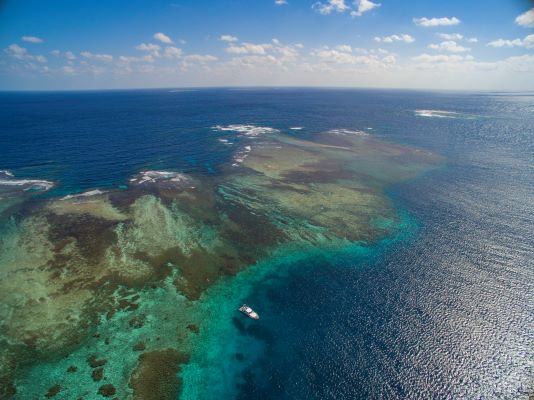
Experience Japan’s Greatest Coral Reef. While the beaches directly on the main island offer fantastic shore snorkeling, taking a guided boat trip to the massive tabletop reefs just north of Ikema Island is a completely different experience. The water clarity here is so spectacular that you can see straight down to the ocean floor, where sea turtles, manta rays, and hundreds of tropical fish species thrive in untouched coral gardens. To find the best local boat operators, ideal weather windows, and what you can expect to see beneath the surface, read our ultimate guide to Yaehigase (Yabiji) Reef, Japan’s largest stunning coral reef system.
The Best Snorkeling Spots in Miyakojima City
Miyakojima is widely celebrated as one of Asia’s premier snorkelling destinations. Thanks to its unique limestone geography, the island has no rivers running into the ocean, which keeps the surrounding waters incredibly clear. You can experience world-class shore snorkeling right off the beach here.
| Snorkeling Spot | Best For… | Marine Highlights | Facilities Available | Skill Level |
| Aragusuku Beach (新城海岸) on Miyako Island | Families & Beginners | Sea turtles, clownfish, calm lagoon | Free parking, showers, toilets, gear rental | Beginner |
| Yoshino Beach (吉野海岸) on Miyako Island | Vibrant Coral Gardens | Massive coral density, thousands of tropical fish | Paid parking (includes shuttle), showers, toilets, gear rental | Intermediate (High tide only) |
| Imgya Marine Garden (イムギャーマリンガーデン) on Miyako Island | Windy or Rough Weather Days | Calm inland basin, damselfish, scenic coastal walk | Free parking, toilets, showers, nearby bridge lookout | Beginner |
| Yabiji Reef (Yaehigase, 八重干瀬) near Miyako and Ikema Island | Ultimate Reef Biodiversity | Japan’s largest coral reef system, pristine visibility | Boat tour facilities only (Must book a guided tour) | All Levels (Guided) |
- Yoshino Beach: Because the coral reef is so close to the shore, you should only snorkel here around high tide. During low tide, the water becomes too shallow, and you risk accidentally damaging the delicate coral with your fins.
- Imgya Marine Garden: After snorkeling, walk up the seaside boardwalk to the observation deck for a stunning panoramic view of the coastline.
- Yabiji Reef: You must book a guided boat tour from Hirara Port or Ikema Island. The sheer scale, clarity, and biodiversity of the coral fields here are utterly unmatched.
🌱 Eco-Friendly Travel Reminder: Miyakojima’s coral reefs are incredibly precious and vulnerable to climate change. Never touch or step on the coral, avoid wearing chemical sunscreens that harm marine life (choose reef-safe options instead), and always maintain a respectful distance of at least a few meters from sea turtles so they can surface to breathe comfortably.
Things to Do in Miyakojima Without a Car
While renting a car gives you the most freedom on the island, you can absolutely have an incredible vacation in Miyakojima without driving. The key is staying in the right area and choosing activities that are easily accessible via walking, local buses, or organized day tours.
Explore Downtown Hirara on Foot
If you don’t have a vehicle, staying in downtown Hirara is highly recommended. It is the island’s central hub, making it incredibly walkable and convenient.
- Painagama Beach (パイナガマビーチ): Located right on the edge of downtown, you can walk here from most central hotels in 10–15 minutes. It features clear water, a swimming area protected by jellyfish nets, and beautiful sunset views.
- Hirara Port: A bustling area perfect for evening strolls. It’s also where several boat and snorkeling tours depart, meaning you don’t need a car to reach the water.
- 🌱 Plant-Based Dining Hub: Staying in Hirara gives you easy, walking-distance access to local supermarkets and fruit stalls where you can stock up on island produce, as well as independent cafes that are happy to accommodate dietary restrictions.
Relax at Maehama Beach via Public Bus
Yonaha Maehama Beach (与那覇前浜) is routinely voted one of the most beautiful beaches in all of Asia for its 7-kilometer stretch of powdery white sand. Luckily, it is one of the few top-tier beaches accessible via the local bus network.
- How to get there: Take the Miyako Kyoryoku Bus line from the central Hirara bus stop directly toward the Kurima Island direction. Get off near the beach entrance or the Miyako Island Tokyu Hotel & Resorts.
- What to do: Spend the day swimming, renting a beach umbrella, or trying water sports like jet-skiing and paddleboarding.
Spend a Day at Imgya Marine Garden
Imgya Marine Garden (イムギャーマリンガーデン) is another fantastic, bus-accessible destination. Because it is a naturally sheltered marine park, you can easily spend a full morning or afternoon here without needing to move around to different spots.
- How to get there: Local island loop buses frequently connect downtown Hirara to the south coast resorts, stopping right by Imgya Marine Garden.
- What to do: Enjoy safe shore snorkeling in the calm lagoon, and hike up the paved walking paths to the observation deck for spectacular coastal views.
Take Advantage of Hotel Shuttle Buses
If you prefer a resort experience, booking a stay along the southern coast—such as at the Shigira Resort—is a great loophole for carless travel.
Many of these larger resort complexes offer complimentary shuttle buses for guests that transport you between various beaches, golf courses, hot springs, and on-site dining complexes. They also frequently provide direct shuttle services to and from Miyako Airport.
Book Guided Snorkeling and Sightseeing Tours
The smartest way to see the outer islands (like Irabu or Ikema) without a car is to let someone else do the driving. Booking a guided day tour is highly efficient:
- Snorkeling Tours: Most reputable snorkeling operators offering boat trips to the spectacular Yaehigase Reef offer complimentary hotel pick-up and drop-off services around the Hirara area.
- Sightseeing Taxis: If there are specific sights you want to check off your list in a single afternoon (like the Irabu Bridge lookout), you can charter a local taxi for a fixed 3-hour or 4-hour block. It is a stress-free way to build a custom itinerary without a rental car.
How to Get Around Miyakojima City
Miyakojima City is unique because it spans several gorgeous islands (including Irabu, Kurima, and Ikema), most of which are connected by massive, scenic bridges. However, public transportation is limited, so planning how you will get around is crucial for a smooth trip.
Having your own wheels (a rental car or scooter) is especially important for vegetarian and vegan travelers in Miyakojima. Because veg-friendly cafes are scattered across different parts of the islands and can be far from major bus stops. Having access to a car allows you to easily detour to a specific restaurant when hunger strikes!
- Car Rental (Highly Recommended)
Renting a car is by far the best way to explore Miyakojima. It gives you the freedom to drive across the iconic Irabu Bridge, visit remote beaches like Sunayama, and chase the sunset without worrying about bus schedules.
Tip: Make sure to obtain an International Driving Permit (IDP) before arriving in Japan, and book your rental car well in advance, especially during the peak summer season.
- Motorcycle or Bicycle Rental
For solo travelers or couples looking for an adventurous vibe, renting a 50cc scooter or an electric bicycle (e-bike) is an excellent option. Riding a bicycle across the Kurima or Ikema bridges offers breathtaking, unobstructed views of the “Miyako Blue” ocean. Keep in mind that Miyako can get incredibly hot and humid in the summer, and sudden tropical downpours are common.
- Taxi and Sightseeing Taxis
If you don’t drive, taxis are readily available around the Miyako Airport and major resort areas. For a more structured itinerary, you can hire a “sightseeing taxi” (chartered taxi) for a fixed half-day or full-day rate. The driver will take you directly to the top attractions, saving you the hassle of navigating.
- Public Buses
There is a local bus network (Miyako Kyoryoku Bus and others) that connects the airport, downtown Hirara, and some major attractions like Shigira Resort. While it is the most budget-friendly option, buses run infrequently, often only a few times a day. If you rely on the bus, you will need to plan your day strictly around their timetables.
Frequently Asked Questions About Miyakojima City
Is Miyakojima vegetarian and vegan-friendly?
Compared to major cities like Tokyo or Kyoto, Miyakojima requires a bit more advanced planning for vegetarian and vegan travelers. Traditional Okinawan cuisine relies heavily on pork and fish broth (dashi). However, you can find fantastic plant-based meals if you know where to look! Downtown Hirara has a few cafes offering vegetable curries, smoothie bowls, and macrobiotic options. Additionally, local farmers’ markets (like Waido Market) are packed with fresh tropical fruits like mangoes, pineapples, and purple sweet potatoes.
Refer to HappyCow’s Miyakojima Page for the vegan and vegetarian-friendly spots.
How many days do you need in Miyakojima City?
To truly experience the island without rushing, we recommend staying at least 3 to 4 days. This gives you ample time to drive across all three major scenic bridges (Irabu, Kurima, and Ikema), spend full days at top snorkeling beaches like Aragusuku and Yoshino, and account for any potential weather or rain delays.
Can you swim with sea turtles in Miyakojima?
Yes, Miyakojima is one of the best places in Japan to swim with wild sea turtles! Your best chance for a sighting right off the shore is at Aragusuku Beach (Shinshiro Coast). The turtles frequently enter the shallow, calm lagoon during high tide to feed on seagrass. Always remember to maintain a respectful distance and never touch or chase them.
Do you need a car to get around Miyakojima?
While renting a car is highly recommended for convenience and flexibility, you do not strictly need one. You can comfortably explore Miyakojima without a car by staying in the walkable downtown hub of Hirara, utilizing hotel resort shuttle buses, taking public buses to major spots like Maehama Beach, or booking guided snorkeling and sightseeing tours that include hotel pick-up.
When is the typhoon season in Miyakojima?
The peak typhoon season in Miyakojima and the rest of Okinawa typically runs from July to September. While typhoons can occur in June or October, they are most frequent during late summer. If you are traveling during this time, it is highly recommended that you purchase flexible airline tickets and travel insurance that covers weather-related disruptions.
Can you swim in Miyakojima in the winter?
From December to March, water and air temperatures drop to around 17°C to 22°C (61°F to 69°F), and strong northern winds can make the ocean choppy. People find it too chilly for casual swimming and sunbathing during these months. However, if you wear a thick wetsuit, guided diving and snorkeling tours still operate year-round.
Discover the Stunning Spots in the Kerama Islands
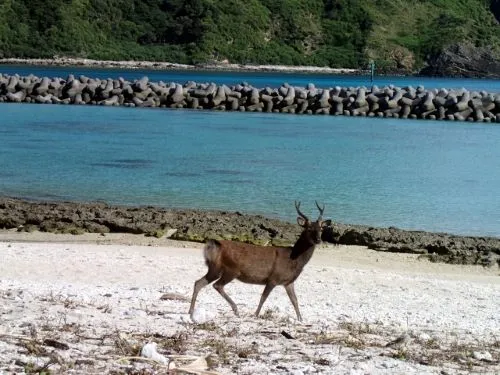
While the sweeping bridges and luxury resorts of Miyakojima offer a world-class tropical escape, travelers seeking a more intimate, off-the-beaten-path experience should look toward the Kerama Islands. If you love the crystal-clear ‘Miyako Blue’ waters but crave the quiet atmosphere of a traditional village where deer outnumber people, a visit to Geruma Island is a must.
Check out our Full Guide to Geruma Island to see why this tiny sanctuary is the perfect companion to your Miyakojima adventure.
Miyakojima vs. Kerama Islands: Which “Blue” is Best?
While both destinations are world-renowned for their water clarity, the travel experience on Miyakojima (The “Miyako Blue”) is vastly different from the Kerama Islands (The “Kerama Blue”).
| Feature | Miyakojima | Kerama Islands |
| Primary Access | 50-minute flight from Naha | 35–70 minute ferry from Naha |
| Getting Around | Rental Car & Village Buses | Bikes & Village Buses |
| Vibe | Resort-style, luxurious, spacious | Authentic, rugged, “Back-to-basics” |
| Landscape | Flat with massive bridge links | Mountainous with dramatic cliffs |
| Snorkeling | Excellent (Easy beach access) | World-Class (National Park status) |
| Vegetarian Food | Good (More mainland-style cafes) | Limited (Requires “Port-Prep” strategy) |
| Crowd Level | Medium (Resort clusters) | High (Day-trippers) / Low (Overnight) |
Choose Miyakojima if…
You want a luxury resort experience with the freedom of a rental car. Miyakojima is famous for its massive bridges (like Irabu Bridge) and long, sandy stretches like Yonaha Maehama. It’s perfect for families or travelers who want a wide variety of dining options and modern amenities.
Choose the Kerama Islands if…
You are a nature purist or an avid snorkeler/diver. The Keramas feel more “untouched” because they are part of a protected National Park. If you want to wake up and see wild deer on the beach (Aka/Geruma) or swim with turtles just meters from your towel (Tokashiki), this is your paradise.
Discover the Attractions in Okinawa’s Capital, Naha City
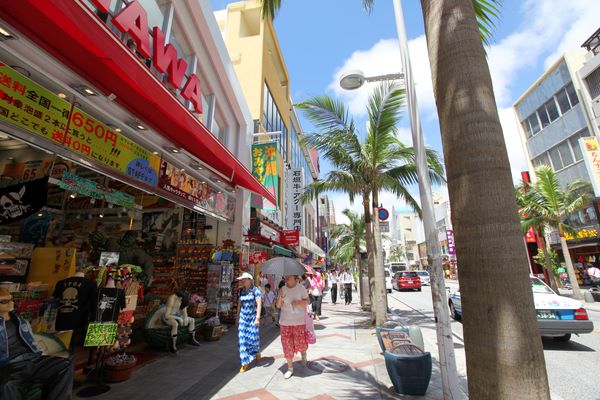
Because Miyako Airport is well connected to the rest of the prefecture, many travelers choose to pair their peaceful beach getaway with a few days of shopping and historical sightseeing in the capital. Swapping Miyakojima’s quiet, reef-lined shores for the vibrant urban energy of the main island opens up a completely different side of local culture, historic castles, and lively night markets. Explore our complete collection of city guides, transit tips, and local recommendations in our Naha Travel Section.