Walking into Yamashiro Onsen (山代温泉) in the Kaga Onsen region feels like traveling back to the Meiji era. At the heart of this historic town lies the Yunogawa district, home to the iconic Ko-Soyu bathhouse, whose vibrant stained glass and intricate Kutani porcelain tiles are a testament to its history. Legend has it that the healing waters were discovered over 1,300 years ago by a three-legged crow. Today, that same spiritual energy draws visitors seeking both relaxation and inspiration. Whether you are admiring the crimson-red latticework of traditional inns, exploring the former home of the legendary artist Rosanjin, or soaking in the mineral-rich springs, Yamashiro offers a deep, authentic connection to Japan’s cultural heritage. Plus, the two public bathhouses in Yamashiro Onsen are tattoo-friendly!
What to Do and See in Yamashiro Onsen
- How to Get from Kanazawa to Yamashiro Onsen
- Kosōyu Public Bathhouse (山代温泉 古総湯)
- Sōyu Public Bathhouse (山代温泉総湯)
- Yakuōin Onsenji Temple (薬王院温泉寺)
- Hatori Shrine (服部神社)
- Hadutiwo Gakudō (はづちを楽堂)
- Rosanjin’s Iroha Sōan (魯山人寓居跡 いろは草庵)
- Coco Gallery (九谷焼体験ギャラリーCoCo)
- Handmade Soba Ishikawa (手打ちそば いし川)
- Kutaniyaki Kamaato Tenjikan (Kutani-yaki Kiln Museum) (九谷焼窯跡展示館)
- Osegimiya Park (大堰宮公園)
- Recommended Kutani Pottery Spots in Yamashiro Onsen
- Frequently Asked Questions: Visiting Yamashiro Onsen
Tip: Yamashiro Onsen Miyabi no Yado Kaga Hyakumangoku is a nice ryokan to stay for a night that caters to special dietary requirements.
Travel Tip for Plant-Based Travelers
Finding plant-based food in Yamashiro Onsen can be a challenge. It is best to bring plant-based food with you if you plan to visit Yamashiro Onsen. You can also grab vegan-friendly snacks from the convenience stores around Kaga-Onsen Station.
Refer to HERE for a list of vegan food available at convenience stores.
Tip: Soba noodles also taste nice with salt. It’s an option if you want to dine at a restaurant in Yamashiro Onsen.
How to Get from Kanazawa to Yamashiro Onsen
Yamashiro Onsen is located in Kaga City, Ishikawa Prefecture. The journey typically involves two stages: reaching Kaga-Onsen Station and then taking a short bus or taxi ride into the hot spring town. The two bus services you can take to get to Yamashiro Onsen are:
You can also use one of Japan’s Transportation Apps to plan your visit.
How to Get to Yamashiro Onsen from Kaga Onsen Station
| Method | Duration | Cost | Notes |
| Local Bus (Hokutetsu) | ~15 min | 250 yen | Most frequent (1-2 per hour). Use Bus Stop no. 2. Get off at Yamashiro Onsen. |
| CANBUS (Mountain Route) | ~15-20 min | 500 yen | Tourist loop bus. Ensure you take the Mountain Route. Get off at Stop no 21. |
| Taxi | ~10 min | 2,000+ yen | Fastest option; best for groups or if traveling with heavy luggage. |
| Hotel Shuttle | ~10 min | Free | Many ryokan offer free pickups; these require advance booking. |
How to Get to Kaga Onsen Station
Kaga Onsen is one of the most accessible hot spring escapes from Kanazawa, making it a perfect destination for a side trip from Ishikawa Prefecture’s capital. Whether you are visiting for a day trip or an overnight stay, here are the best ways to reach the resort towns.
If you plan to visit Kaga Onsen from other parts of Japan, see below for how to get to Kaga Onsen Station.
- From Tokyo: Take the Hokuriku Shinkansen (Kagayaki or Hakutaka). There are direct trains to Kaga-Onsen Station that take approximately 2 hours and 45 minutes to 3 hours.
- From Osaka/Kyoto: Take the Limited Express Thunderbird to Tsuruga Station, then transfer to the Hokuriku Shinkansen for the final leg to Kaga-Onsen Station. The total trip takes about 2 hours to 2 hours 15 minutes.
- From Komatsu Airport: Komatsu Airport is close to Kaga Onsen. You can take a direct bus (CANBUS or local lines) which reaches the area in about 30–40 minutes.
Tip: The Shinkansen trip from Tokyo, Osaka/Kyoto, and Kanazawa Station to Kaga Onsen Station is covered by a few JR Passes. If you plan to travel from Tokyo to Kyoto/Osaka via Kanazawa/Kaga Onsen, there is a great chance that the Hokuriku Arch Pass will save you money.
How to Get to Kaga Onsen from Kanazawa by Train
The quickest way to get to Kaga Onsen from Kanazawa is via the JR Hokuriku Shinkansen (北陸新幹線) or the IR Ishikawa Railway (いしかわ鉄道).
- The travel time by taking the Hokuriku Shinkansen from Kanazawa Station to Kaga Onsen Station (加賀温泉駅):
- Hokuriku Shinkansen Kagayaki (かがやき): Around 15 minutes
- Hokuriku Shinkansen Hakutaka (はくたか) or Tsurugi (つるぎ): Around 18 minutes
- It takes about 45 minutes to get to Kaga Onsen Station by the local IR Ishikawa Railway from Kanazawa Station.
- The cost to get to Kaga Onsen Station from Kanazawa:
- It will cost 3,170 yen to take the Shinkansen from Kanazawa Station to Kaga Onsen Station.The trip is covered by the following JR Passes.
- If you don’t have a JR Pass and want to save on transportation, it costs only 880 yen to take the local trains operated by IR Ishikawa Railway to Kaga Onsen Station.
Kaga Tour Bus – CANBUS (加賀周遊バス キャン・バス)
Most attractions in Kaga can be accessed by taking the Kaga Tour Bus – CANBUS, which departs from and terminates at JR Kagaonsen Station (加賀温泉駅).
- Single-ride tickets can be purchased from the bus driver. Each ride will cost you 500 yen to board the CANBUS.
- For more information about the service, pricing, and timetable, please refer to their website HERE.
Tip: With your bus ticket, you can get discounts or freebies at some attractions along the bus route.
Eco Ride Coupon (ECO乗りクーポン)
If you don’t think you will visit many attractions in a day, then the 1,000 yen ECO Ride Coupon may be better. It allows you to board the CANBUS twice, have free access to one facility in the city and an exchange voucher for a traditional sweet at participating stores.
For more information, please refer to their website HERE and use Google Chrome’s translation function at the top right of the address bar. HERE is the English pamphlet for ECO Ride Coupons.
Kaga Hot Spring Town Passport (加賀温泉郷パスポート)
Another money saver is the Kaga Hot Spring Town Passport. Depending on how you plan to get around, you can either get a red passport (1,000 yen) that gives you access to three attractions or a blue passport (1,800 yen) for an additional CANBUS ticket. Both passports are valid for two days from the date of purchase.
For more information, please refer to their website HERE.
The Cherry Blossom and Fall Foliage Season at Yamashiro Onsen Town
- Yamashiro Onsen Town’s cherry blossom season usually peaks from early to mid-April.
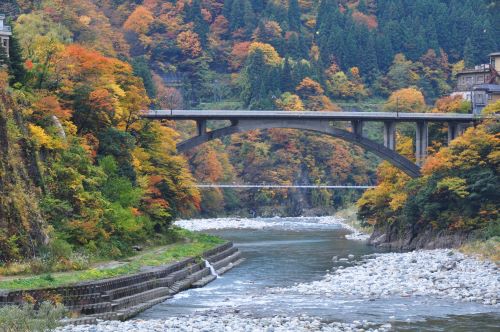
- The autumn foliage season at Yamashiro Onsen Town usually starts at the end of October and peaks towards mid-November each year.
Top Photo Spots: The “Crimson and Glass” of Yamashiro
| Spot | What to Capture | Why it’s Special |
| Kosoyu (Exterior) | The Night Glow | This Meiji-style wooden bathhouse glows like a lantern at night. The stained-glass windows create a colorful silhouette against the dark wood. |
| Kosoyu (Interior) | Stained Glass & Tiles | The bath area features vibrant Kutani-yaki tiles and colored glass that casts rainbows on the water when the sun hits. (Note: Photos are only possible during special tours or at the 2nd-floor rest area). |
| Iroha Soan | The Artist’s Garden | The former studio of the legendary artist Rosanjin. The mossy garden and traditional wooden corridors are quintessential “Old Japan.” |
| Hattori Shrine | The Giant Camphor Tree | Huge, ancient trees frame a steep stone staircase leading to the shrine. It’s particularly moody in the early morning fog. |
| Hazuchio-gakudo | The Red Latticework | A cluster of traditional buildings with striking Benigara (crimson) wood latticework. It’s the perfect backdrop for a yukata photo. |
Pro-Tips for Visiting Yamashiro Onsen
- The 2nd Floor View: If you can’t take photos in the bath at Kosoyu, head to the second-floor tatami rest area. You can photograph the intricate stained glass and the view of the “Yunogawa” circle from above while sipping local tea.
- The “Three-Legged Crow”: Look for statues of Yatagarasu (the mythological crow) around town. Legend says this crow discovered the spring 1,300 years ago. A close-up of the crow statue at the footbath makes for a great “storytelling” shot.
- Kutani Porcelain Hunt: Many local galleries feature stunning window displays of Kutani-yaki. For a modern shot, visit the Kutani Ceramic Laboratory (CERABO). The minimalist, earthen architecture (designed by Kengo Kuma) is a sharp, beautiful contrast to the town’s older buildings.
Kosōyu Public Bathhouse (山代温泉 古総湯)
Located at the center of Yamashiro Onsen Town, Kosōyu Public Bathhouse is the town’s symbol. Restored in 2010 from a public bathhouse from the Meiji Period (1868 – 1912), it is a place where you can time travel to 200 years in the past to experience how the Japanese used to bathe.
The interior of the bathhouse is exactly as it looked in the Meiji Period, with stained-glass windows, lacquer-covered walls, and Kutani ware tile flooring.
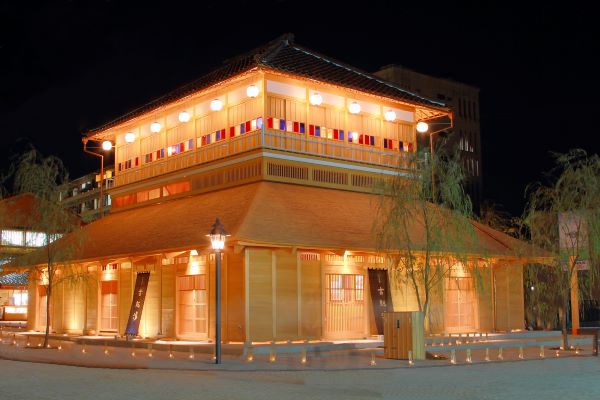

The facilities inside the bathhouse replicate those of a Meiji-era bathhouse. There is no shower area where you can wash your body and/or hair before entering the onsen pool. There is no dressing room either, but a shelf where you can leave your clothes and belongings.
Important: Shampoo and body soap are prohibited in this facility. Please wash your body by pouring hot spring water from the pool onto yourself before you enter.
Tip: If you plan to stay overnight at Yamashiro Onsen, you can shower at your accommodation first. If you are on a day trip, get a combo ticket to access both Kosōyu Public Bathhouse. This way, you can wash up and enjoy the onsen at Sōyu Public Bathhouse before heading to Kosōyu Public Bathhouse!
After the onsen, you can chill out at the resting area on the second floor, where you can get a wide view of the onsen town while enjoying some cold tea or water (^_-)-☆.
Tips:
☛ You will have a high chance of having the onsen pool to yourself if you come in the morning on weekdays.
☛ If the hot spring is too hot, talk to the staff. They might be able to cool it down a bit for you.
Kosōyu Public Bathhouse’s Opening Hours, Admission Fee, and Access Information
- The bathhouse is open from 6 am to 10 pm daily, except on the 4th Wednesday of each month, when it opens at 12 pm.
- To bathe at the Kosōyu Public Bathhouse,
- 700 yen for adults
- 200 yen: between the ages of 6 and 11
- 100 yen: between the ages of 3 and 5
- Free otherwise
- The 900 yen combo ticket allows you access to both Kosōyu Public Bathhouse and Sōyu Public Bathhouse.
From JR Kagaonsen Station (加賀温泉駅), take one of the bus services below:
- Kaga Tour Bus – CANBUS’s (加賀周遊バス キャン・バス) mountain route (山まわり) and get off at Yamashiro Onsen Sō Yu (山代温泉総湯).
- Refer to HERE for the service’s timetable.
- Hokutetsu Kaga Bus (北鉄加賀バス) Onsen Yamanaka Line (温泉山中線) from JR Kagaonsen Station west exit’s bus stop no. 2 and get off at Yamashiro Onsen (山代温泉). The bathhouse is less than a 5-minute walk from the bus stop.
- For the service’s timetable, please refer to their website HERE and click open “運行時刻表を見る”.
- A one-way trip will cost 290 yen.
Sōyu Public Bathhouse (山代温泉総湯)
Compared to the “museum” type of public bathhouse – Kosōyu, the Sōyu Public Bathhouse was built for anyone to have a relaxing bathing time. In addition to the onsen, you can also enjoy the shop’s most popular menu item: soft-serve ice cream!
Note there is no private onsen pool, as it is a typical onsen facility.

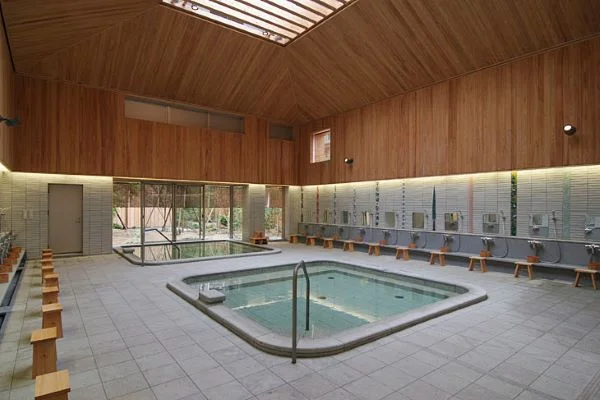
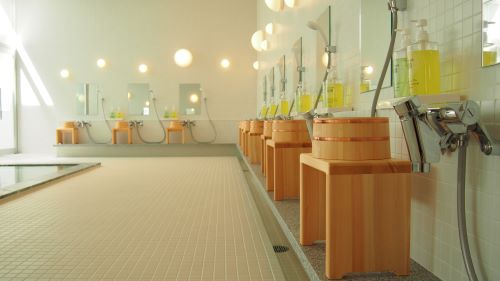
Unlike the Kosōyu Public Bathhouse next door, the Kutani ware tiles in this bathhouse are embedded in the wall, with varying patterns, all hand-painted. With a large skylight on the ceiling, you can almost enjoy the onsen while sunbathing (´▽`*).
One thing to note about this bathhouse is that it is popular amongst the locals. This means it can be really crowded from late afternoon, especially during public holidays.
Sōyu Public Bathhouse’s Opening Hours, Admission Fee, and Access Information
- The bathhouse is open from 6 am to 10 pm daily, except on the 4th Wednesday of each month, when it opens at 12 pm.
- To bathe at the Kosōyu Public Bathhouse,
- 490 yen for adults
- 130 yen:between the ages of 6 and 11
- 50 yen: between the ages of 3 and 5
- The 900 yen combo ticket allows you access to both Kosōyu Public Bathhouse and Sōyu Public Bathhouse.
- The bathhouse is just next to Kosōyu Public Bathhouse.
Yakuōin Onsenji Temple (薬王院温泉寺)
Next to the Kosōyu Public Bathhouse is the home of the Buddha, who looks after the onsen town. Apart from the main Buddha, Yakushi Nyorai (薬師如来), there are also statues of many other Buddhas and gods placed throughout the temple precinct.
An interesting fact about the temple for those who know Japanese is that the monk who invented the Japanese syllabary, Myōkaku Shōnin (明覚上人), was the first head monk of the temple. This is why you will find Hiragana on the ground of the alley leading to the promenade to Banshōen Park (萬松園) at the top of the hill. From there, you will get a panoramic view of the Yamashiro Onsen, the Hakusan mountain range (白山連峰) close by, and even the Sea of Japan!
While the temple’s history is much longer, most of it was destroyed during the civil war in the Sengoku Period (1467 – 1615). As peace returned to the beautiful country in the early 17th century, the temple was restored by the first lord of the Kaga Domain.
In November, as Yamashiro Onsen’s representative autumn foliage destination, the temple is much more lively, with all the tourists strolling around hunting for the best spot for photography (*´ω`).
A.I.U.E.O’s Alley
Passing the main worship hall, there is a set of stone staircases. Pay attention to the stairs because you will see some square tiles made of the local specialty – Kutani ware (九谷焼) of Japanese Hiragana!
If you know Hiragana, it might be fun to track down all 44 of them (^_-)-☆.
For those interested in the Shikoku Pilgrimage, there are small worship halls along the promenade, each representing one of the 88 temples in Shikoku.

How to Get to Yakuōin Onsenji Temple
From JR Kagaonsen Station (加賀温泉駅), take Kaga Onsen Bus’s (加賀温泉バス) Onsen Yamanaka Line (温泉山中線) from JR Kagaonsen Station west exit’s bus stop no. 2 and get off at Yamashiro Onsen (山代温泉). From there, it is a 5-minute walk.
- For the service’s timetable, please refer to their website HERE and click open “運行時刻表を見る”.
- A one-way trip will cost 290 yen.
Hatori Shrine (服部神社)
Next to Yakuōin Onsenji Temple is a shrine that enshrines a god who looks after weaving and sewing techniques. According to Hatori Shrine’s historical documentation, the shrine that stood from the early 8th century onward was much grander than the current one, restored in 1875. The shrine is known for its giant Camphor tree, over 200 years old, and the adjoining forest.

From 6 to 10 each night, the staircases from the torii gate to the shrine’s main gate will be beautifully illuminated for a relaxing nighttime stroll if you stay overnight in the town.
How to Get to Hatori Shrine
The shrine is just next to Yakuōin Onsenji Temple.
Hazuchio Gakudō (はづちを楽堂)
Another must-visit place in Yamashiro Onsen Town is Hazuchio Gakudō. Located in the block next to the Kosōyu Public Bathhouse, it is the perfect place to chill out after an onsen session!
Hazuchio Gakudō is the town’s community center where people gather for cultural and performance art events. There is also an old-fashioned cafe – Hazuchio Chamise (はづちを茶店). It offers dishes made from fresh local produce, presented in Kutani ware and/or Yamanaka lacquerware, as well as a souvenir shop, Ninuriya (丹塗り屋), where you can get various souvenirs, from everyday miscellaneous goods to traditional crafts!

On the 1st and 3rd Sundays from March to December, morning markets are held from 7 am for about an hour. It is the perfect occasion for some cheap fruits, vegetables, pickles…etc.
Hazuchio Gakudō’s Business Hours and Access Information
- Hazuchio Gakudō is open from 9:30 am to 5 pm except on Wednesdays unless it is a public holiday.
- From the bus stop, Yamashiro Onsen (山代温泉), Hazuchio Gakudō is a 4-minute walk away.
Rosanjin’s Iroha Sōan (魯山人寓居跡 いろは草庵)
Rosanjin’s Iroha Sōan is another main attraction in Yamashiro Onsen. Rosanjin was a famous artist who mastered calligraphy, seal engraving, painting, ceramics, lacquering, and cooking. This house is where he resided during his six months in Yamashiro Onsen, where he especially honed his pottery skills.


While Rosanjin’s work on display is limited in this residence, it is a great place to get a sense of how an artist’s house looked in early 20th-century Japan.
You can also enjoy a cup of Kaga Bōcha Tea (加賀棒茶) and Japanese confectionery that is served in a Yamanaka lacquerware tray and Kutani ware cups and plates with a nice garden view.
Rosanjin’s Iroha Sōan’s Opening Hours, Admission Fee, and Access Information
- The residence is open from 9 am to 5 pm daily except on Wednesdays unless it is a public holiday.
- The last admission is at 4:30 pm.
- The entry fee is
- 560 yen for adults
- 280 yen for anyone who is 75 years old and above
From JR Kagaonsen Station (加賀温泉駅), take one of the bus services below:
- Kaga Tour Bus – CANBUS (加賀周遊バス キャン・バス)’s mountain route (山まわり) and get off at Banshoen-dori Street Rosanjin Residence Iroha Soan Hut (万松園通・魯山人寓居跡いろは草庵) and walk for 5 minutes
- Refer to HERE for the service’s timetable.
- Hokutetsu Kaga Bus (北鉄加賀バス) Onsen Yamanaka Line (温泉山中線) from JR Kagaonsen Station west exit’s bus stop no. 2 and get off at Yamashiro Onsen (山代温泉). The residence is less than a 10-minute walk from the bus stop.
- For the service’s timetable, please refer to their website HERE and click open “運行時刻表を見る”.
- A one-way trip will cost 290 yen.
Coco Gallery (九谷焼体験ギャラリーCoCo)

Yamashiro Onsen is a place known for the revival of Kutani ware (九谷焼). Kutani ware, a type of Japanese pottery originating in Kaga, features vividly colored patterns drawn on ceramic.
Coco is a Kutani ware gallery in Yamashiro Onsen’s town center that sells a variety of Kutani ware, such as cups and plates. Fashionable crafts by local craft artists are also on display.
It is also the perfect place for a Kutani painting session (booking is usually not required). You will go through a full-scale painting process using the same tools and paints used by Kutani ware artists. Even if painting isn’t something you are good at, they have tools where you can just do the coloring without drawing the whole image yourself!
Important: If you don’t have a Japanese address, check with the shop to see if they can ship the completed product overseas before you start your painting session. You won’t be able to take your Kutani ware straight after the session, as extra processes must be applied to the ceramic.
Coco Gallery’s Opening Hours and Access Information
- The gallery is open from 9:30 am to 5:30 pm daily
- The last admission to the Kutani ware painting session is at 4:30 pm
- The gallery is closed on Thursdays unless it is a public holiday.
- The cost for the Kutani ware painting session starts from 1,800 yen. The price excludes shipping.
- From the bus stop – Yamashiro Onsen Sō Yu (山代温泉総湯), it is only 10 meters away.
- From the bus stop – Yamashiro Onsen (山代温泉). The bathhouse is less than a 5-minute walk from the bus stop.
Handmade Soba Ishikawa (手打ちそば いし川)
If you want to taste the refined flavors served to the Japanese Imperial family, Handmade Soba Ishikawa is an essential stop. This shop is famous for its Gozen Soba—a rare, pure white noodle made exclusively from the starchy core of the buckwheat grain. Unlike the darker, earthier Inaka soba found elsewhere in Ishikawa, these noodles are silky, delicate, and naturally gluten-free (though you should always confirm the ratio of wheat flour used for binding).
Why are the noodles white? Because the noodles were made from the core of the buckwheat. The noodles are made fresh each morning, and their delicious tempura made from fresh produce, is only deep-fried after an order is received.
Important: The number of servings of Gozen Soba noodles served each day is limited. Make sure you head to the restaurant as early as possible (ideally by opening time)!
Tip: Depending on the day of your visit, they might serve you free soba tea, soba porridge, or a deep-fried soba cookie. Make sure you check with them about these tasty freebies when you visit!
- Handmade Soba Ishikawa is open from 11:30 am to 3 pm or until sold out from Thursday to Monday.
- The last order is at 2:30 pm.
The Vegetarian & Vegan Challenge at Handmade Soba Ishikawa
In many traditional Japanese noodle shops, the Tsuyu (dipping sauce) is pre-made with Katsuobushi (bonito flakes). To ensure a 100% plant-based meal here, we recommend the following:
- The Dashi: Ask if they can provide Kombu Dashi (kelp-based) or a simple salt-and-wasabi seasoning.
- The Tempura: Their seasonal vegetable tempura is fried to order and incredibly crisp. However, check if the batter uses egg (tamago).
Kutaniyaki Kiln Museum (九谷焼窯跡展示館): Hands-On Artistry in Yamashiro
For travelers who want to do more than just look at porcelain behind glass, the Kutaniyaki Kiln Museum (Kutaniyaki Kamaato Tenjikan) offers a rare, immersive look at the revival of Ishikawa’s most famous craft. Built on the site of a 19th-century workshop, this museum houses the oldest existing climbing kiln (noborigama) in Japan. The soot-stained walls and tiered chambers provide a visceral connection to the artisans who pioneered the bold “Kutani Five Colors” (red, yellow, green, purple, and Prussian blue).


In the museum’s Kutani ware studio, recreated from the old residence of Kutani ware artisans, you can learn the process of making Kutani ware. Although most explanations of the tools and equipment are in Japanese, videos, and pictures are there to help paint the big picture.
The Experience: Pottery Painting & Wheel Throwing
Kutaniyaki Kiln Museum also holds short ceramic paintings and pottery-making workshops for visitors to participate in. But just note they might be unable to ship the finished product overseas. If you are interested, make a reservation with the museum HERE.
- Ceramic paintings (Etsuke): Use the traditional pigments and fine-tipped brushes of the masters. If you aren’t confident in your drawing skills, the museum provides stencils and tools to help you achieve professional-looking geometric patterns.
- Time required: at least 1.5 hours
- Cost: from 3,300 yen, depending on the type and the size of the ceramic chosen
- Pottery-making (Tebineri or Rokuro): Feel the local clay between your hands as you mold your own cup or bowl.
- Time required: at least 1 hour
- Cost: from 4,400 yen
- PRINT THIS out for 5% off on the cost of the workshops
Tip: Participants in the workshops can receive coupons for use at various shops and restaurants in Yamashiro Onsen.
Important:
☛ You must be accompanied by someone who speaks Japanese to join the workshops.
☛ Because Kutani ware requires multiple firings at high temperatures, you cannot take your piece home immediately. Check with the museum staff upon arrival regarding international shipping, as rules for overseas delivery can change.
Kutaniyaki Kiln Museum’s Opening Hours, Admission Fee, and Access Information
- The museum is open from 9 am to 5 pm daily except Tuesday (unless it is a public holiday).
- The last admission is at 4:30 pm
- The admission fee is
- 350 yen for high school students and above
- 170 yen for anyone who is 75 years old and above
From JR Kagaonsen Station (加賀温泉駅), take one of the bus services below:
- Kaga Tour Bus – CANBUS’s (加賀周遊バス キャン・バス) mountain route (山まわり) and get off at Kutaniyaki Kiln Exhibition Pavilion (九谷焼窯跡展示館) and walk for 2 minutes.
- Refer to HERE for the service’s timetable.
- Hokutetsu Kaga Bus (北鉄加賀バス) Onsen Yamanaka Line (温泉山中線) from JR Kagaonsen Station west exit’s bus stop no. 2 and get off at Yamashiro Onsen (山代温泉). The museum is less than a 10-minute walk from the bus stop.
- For the service’s timetable, please refer to their website HERE and click open “運行時刻表を見る”.
- A one-way trip will cost 290 yen.
Ōsegimiya Park (大堰宮公園)
Although located away from the town center, if you are coming to Yamashiro Onsen Town in early to mid-April, Ōsegimiya Park is the perfect place to admire the cherry blossom!
With the Daishōji River (大聖寺川) flowing on one side of the park, it is also a great place to chill out in summer. And if you love cycling, rent out a bicycle from one of the local rental shops, and off you go on the cycling road (^_-)-☆.
In autumn, the park is also one of the popular places for fall foliage, attracting people away from the lively town center.
How to Get to Osegimiya Park
- From Kosōyu Public Bathhouse, it is around a 15-minute walk.
- Kaga Tour Bus – CANBUS’s (加賀周遊バス キャン・バス) mountain route (山まわり) and get off at Yamashiro Onsen Kikyogaoka (山代温泉桔梗丘) and walk for 5 minutes.
- Hokutetsu Kaga Bus (北鉄加賀バス) Onsen Yamanaka Line (温泉山中線) from JR Kagaonsen Station west exit’s bus stop no. 2 and get off at Yamashiro Onsen Nishiguchi (山代温泉西口). The residence is less than a 10-minute walk from the bus stop.
Recommended Kutani Pottery Spots in Yamashiro Onsen
Yamashiro Onsen is the spiritual home of Kutani-yaki, a bold and colorful style of porcelain. Here are the best places to experience this craft firsthand:
- Kutani-yaki Kiln Exhibition Hall: This is a must-visit for history lovers. You can see the ruins of the oldest existing “climbing kiln” in Japan and even try a pottery wheel or painting experience in a traditional workshop atmosphere.
- Rosanjin’s Hut Iroha: Step into the former residence of the legendary artist Kitaoji Rosanjin. The beautifully preserved house and workroom offer an intimate look at the life of the man who famously combined the worlds of fine art and functional ceramics.
- Utsuwagura & Hazuchio-Gakudo: For those looking to bring a piece of Ishikawa home, these galleries and shops offer a curated selection of both traditional and modern Kutani ware. The Hazuchio area, right next to the Ko-soyu bathhouse, is particularly charming for a post-soak stroll.
- Ishikawa Prefectural Kutani-yaki Art Museum: Located just a short drive (or bus ride) away in Daishoji, this museum is architecturally stunning and categorizes works by their specific color styles, such as the deep greens of Aote or the vibrant reds of Akae.
Frequently Asked Questions: Visiting Yamashiro Onsen
Is Yamashiro Onsen tattoo-friendly?
Yes, the iconic Ko-Soyu and Soyu public bathhouses in the center of town are both tattoo-friendly. While some larger private ryokans may still have restrictions for their communal baths, the heart of Yamashiro’s bathing culture is open to all visitors regardless of tattoos.
Can I visit Yamashiro Onsen as a day trip from Kanazawa?
Absolutely. The journey from Kanazawa Station to Kaga Onsen Station takes only 15–20 minutes. From there, a quick 10-minute bus or taxi ride puts you in the center of Yamashiro, making it a perfect half-day or full-day escape.
Which is better: Yamashiro Onsen or Yamanaka Onsen?
It depends on your interests! Yamashiro Onsen is the “town of art and history,” best known for its Kutani porcelain, traditional Meiji-era architecture, and cultural landmarks like Rosanjin’s Hut. Yamanaka Onsen is the “town of nature,” famous for the scenic Kakusenkei Gorge and its deep-forest hiking trails. Since they are only 15 minutes apart, many travelers visit both in a single trip.
Are there vegetarian or vegan food options in Yamashiro?
Finding plant-based food on remote islands can be a challenge. It is best to bring plant-based food with you if you plan to visit Kaga Onsen. You can also grab vegan-friendly snacks from the convenience stores around Kaga-Onsen Station.
Refer to HERE for a list of vegan food available at convenience stores.
Tip: Soba noodles also taste nice with salt. It’s an option if you want to dine at a restaurant in Yamashiro Onsen.
For a full dinner, some local ryokans, such as Rurikoh (瑠璃光) can provide vegetarian multi-course (kaiseki) meals if notified at least 3 days in advance.
What is the difference between Soyu and Ko-Soyu?
- Ko-Soyu: A faithful reconstruction of a Meiji-period bathhouse. It is a “pure soak” experience—there are no showers or soap allowed, just the hot mineral water and beautiful Kutani tile decor.
- Soyu: A modern, practical facility used by locals. It includes showers, washing areas, and all the standard amenities of a contemporary Japanese bathhouse.
Find out Other Exciting Attractions in Kaga Onsen

Yamashiro Onsen is part of the larger Kaga Onsen region, a collection of four historic hot spring towns in Ishikawa Prefecture. While Yamanaka is famous for its artisan crafts and deep limestone gorges, the surrounding area offers even more to explore, from the traditional architecture of Yamashiro Onsen to the serene lakeside views of Katayamazu. Navigating between these resort towns is remarkably easy thanks to the local CANBUS loop bus.
For more information on other attractions close to Yamanaka Onsen, please refer to our Kaga Onsen article!