Temples & Shrines

Momiji Hachimangū Shrine and the Stunning Fall Foliage

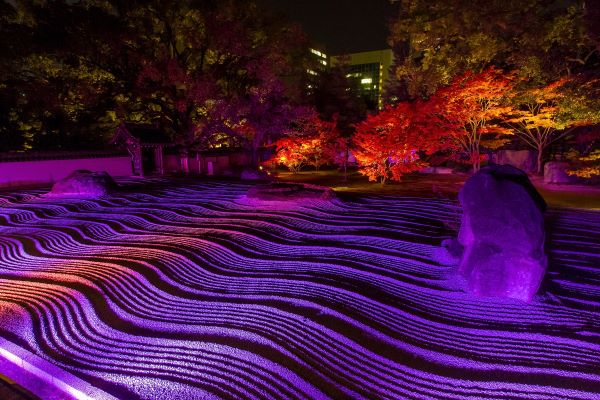
There are a couple of cherry blossom destinations in Fukuoka’s city center, but what about fall foliage in Fukuoka? The autumn foliage in the precinct of Momiji Hachimangū Shrine (紅葉八幡宮) in the city center makes its name worthy. From late November to early December each year, the maple trees (or Momiji in Japanese) from the […]

Momiji Hachimangū Shrine and the Stunning Fall Foliage Read More »
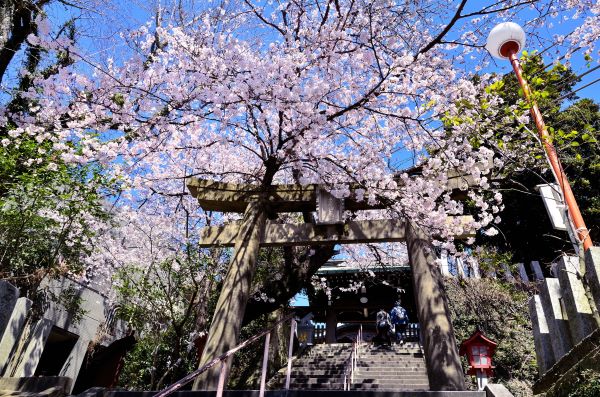
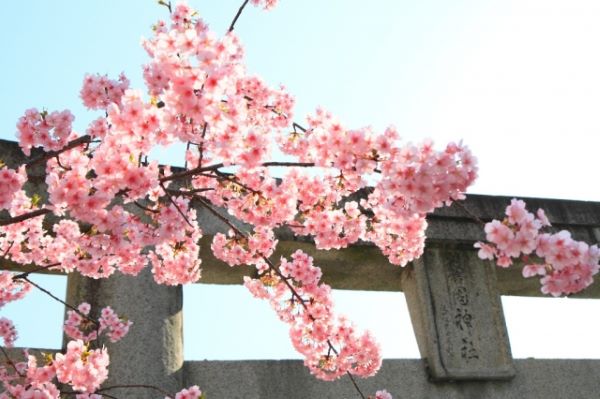
Atago-Shrines-Cherry-Blossom-Fukuoka-Japan

Washio Atago Shrine – One of Japan’s Three Great Atago Shrines

The Washio Atago Shrine (鷲尾愛宕神社) in Fukuoka is known as one of Japan’s Three Great Atago Shrine. Located on the top of a 68-meter-tall hill, the shrine is famous for its incredible sunrises, cherry blossoms, and night views. Although there is a range of things that you can pray for at Atago Shrine, the most unique thing

Washio Atago Shrine – One of Japan’s Three Great Atago Shrines Read More »

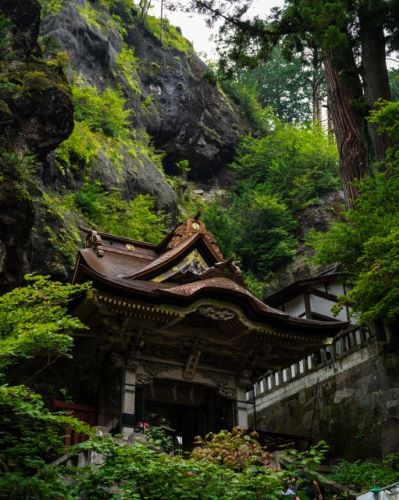
Shoryumon-Gate-Haruna-Shrine-Takasaki-Gunma-Japan

Haruna Shrine: The Most Powerful Shrine in Gunma Prefecture

On the southwest of Lake Haruna, Haruna Shrine (榛名神社) has been looking after the region since the late 6th century. The 30-minute walk on the approach from the torii gate to the main worship hall is so mysterious that some sort of sacred power is gained just by taking a short journey! This is especially

Haruna Shrine: The Most Powerful Shrine in Gunma Prefecture Read More »

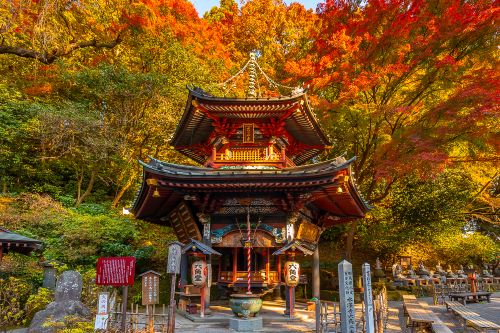
Rokakudo-Mizusawa-Temple-Shibusawa-Gunma-Japan

A Guide to Mizusawa Temple, the Origin of Mizusawa Udon

Mizusawa-dera (水澤寺), southeast of Ikaho Onsen, has been a highly regarded temple for centuries. The temple is filled with amazingly built buildings and Buddha statues. The Tendai sect temple has Eleven-faced thousand-armed Kannon (十一面千手観音) as the main image, so it is also referred to as Mizusawa Kannon (水澤観音). Aside from wishes for safe child delivery

A Guide to Mizusawa Temple, the Origin of Mizusawa Udon Read More »

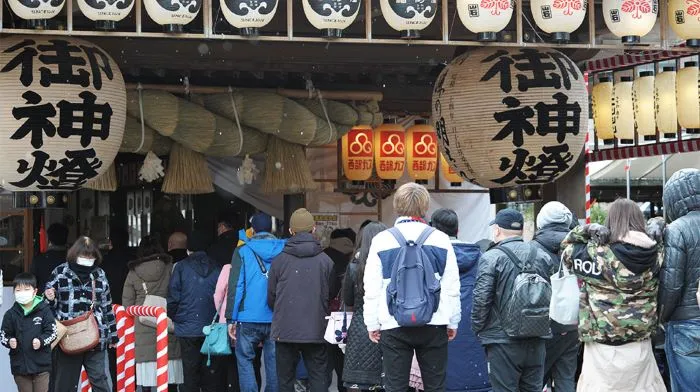
Tokaebisu-Festival-Tokaebisu-Shrine-Fukuoka-Japan

Tōkaebisu Shrine and the Exciting Tōkaebisu Festival

On the south end of Higashi Park (東公園), close to JR Yoshizuka Station, you can find Tōkaebisu Shrine (十日恵比須神社), a usually quiet shrine. However, during the Tōkaebisu Festival, from the 8th to the 11th of January, around one million people usually flood the shrine! Not only can you wander through the 300 stalls set up

Tōkaebisu Shrine and the Exciting Tōkaebisu Festival Read More »

Mangyo-ji-Hakata-Fukuoka-Japan

Mangyō-ji – A Temple that Excites Cat Lovers & History Buffs

If you are a cat lover, head to Mangyō-ji (普賢山萬行寺) because you will most likely be served by two black cats at the reception! In addition, what will catch the attention of history buffs is the temple’s crest. Contrasting the crest used by other Pureland sect temples in Japan that uses wisteria, Mangyō-ji uses the

Mangyō-ji – A Temple that Excites Cat Lovers & History Buffs Read More »

Joten-ji-Sentotei-Garden-Light-up-Hakata-Fukuoka-Japan-1

Jōten-ji Temple – The Origin of the Udon and Soba Noodles

While you might not be aware of it, the method of making food made from flour in Japan, such as udon and soba noodles and buns, originates from Hakata (according to Jōten-ji’s history). This food culture was introduced by Ennibenen (円爾弁円), also known as Shōichi Kokushi (聖一国師), who returned to Japan from his study in

Jōten-ji Temple – The Origin of the Udon and Soba Noodles Read More »

Fukuoka-Daibutsu-Tocho-ji-Temple-Hakata-Fukuoka-Japan

Tōchō-ji Temple and Japan’s Largest Wooden Buddha Statue

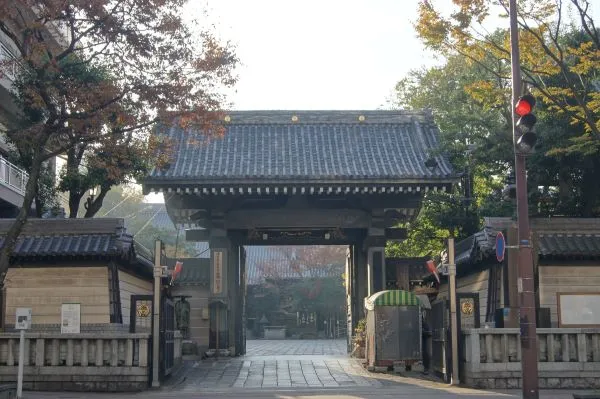
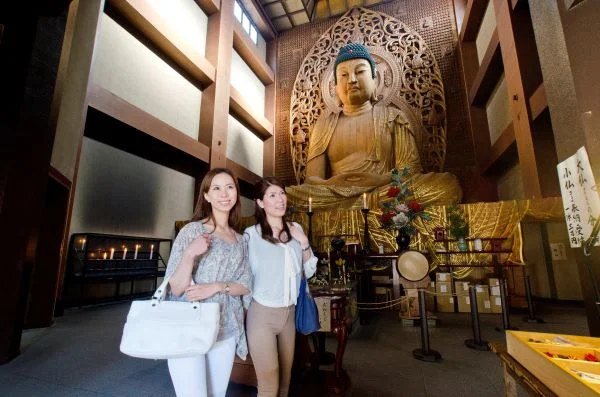
You might have heard of one of the Holiest Mountains In Japan, Kōyasan, and thus you might know about its founder, Kōbō Daishi (弘法大師). After returning to Japan from China, he spent around four years in Hakata and founded his first temple, Tōchō-ji (真言宗 東長寺), in 806. Since the late 20th century, what has been

Tōchō-ji Temple and Japan’s Largest Wooden Buddha Statue Read More »