If you want to experience the true spiritual side of Miyajima Island, look no further than Daishōin Temple (大聖院). Established in 806 AD by the founder of Shingon Buddhism, this stunning hillside complex is the oldest and most atmospheric temple on the island. From spinning the sacred Mani prayer wheels to walking through a cavern lit by thousands of golden lanterns, Daishōin offers an escape from the crowds. Best of all for plant-based travelers, this historic temple offers a rare opportunity to experience Shōjin Ryori, traditional Japanese Buddhist vegetarian cuisine. Here is everything you need to know to plan your visit, including how to secure a coveted temple lunch reservation.
All You Need to Know About Daishōin Temple
- A Brief History and Layout of Daishōin Temple
- Meeting the Quirky Jizō Statues of Daishōin
- Stepping into the Mystical Henjōkutsu Cave (遍照窟)
- Experiencing Shōjin Ryōri (Buddhist Vegetarian Cuisine) at Daishōin
- Sūtra Copying (Shakyō) and Buddhist Image Tracing (Shabutsu)
- Relax at Rokaku Tea House (The Temple’s Hexagon Cafe)
- Events and Festivals at Daishōin Temple
- Daishōin Temple’s Opening Hours and Access Information
A Brief History and Layout of Daishōin Temple
Founded in 806 AD by Kōbō Daishi (弘法大師), the father of Shingon Buddhism, Daishōin holds a massive spiritual significance in Japan. In fact, it is so beloved that many Hiroshima locals visit Miyajima specifically for this temple, rather than the famous Itsukushima Shrine!
Getting to the Temple Grounds
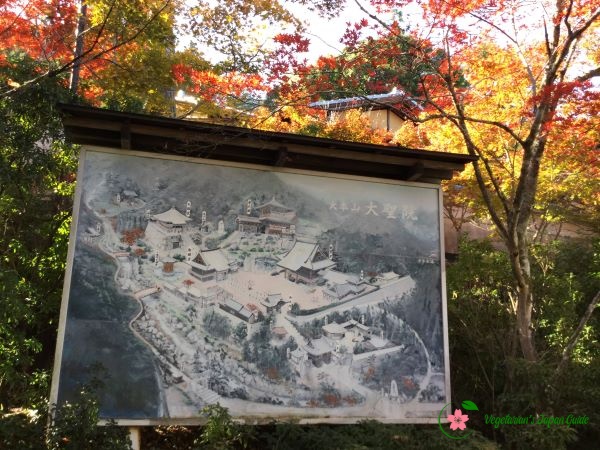
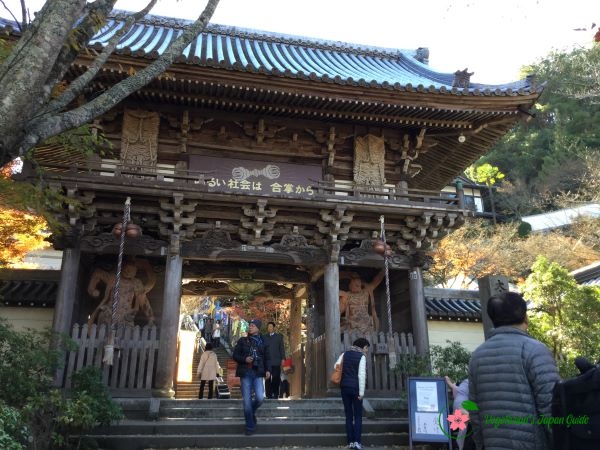
Daishōin is located just a 7-minute walk from the stunning Momijidani Park. Right by the main entrance gate, you will find a beautifully illustrated map of the temple grounds, which looks especially stunning when framed by vibrant autumn foliage.
This main gate marks the beginning of your journey: a long, steep set of stone staircases leading up the hillside of Mt. Misen.
What to Expect on the Climb
While the climb might look daunting at first, the ascent is half the experience. The path is lined with several smaller halls and shrines that make for perfect, peaceful detours. As you make your way up to the main worship halls, including the Misen Hondō (弥山本堂) and the Reikadō (霊火堂) at the summit, keep these tips in mind:

- Walk in the Footsteps of History: You are climbing the exact same path once walked by Japan’s greatest historical leaders, imperial family members, and even the 14th Dalai Lama.
- Spin the Mani Wheels: Along the central banister, you will find rows of metal Mani prayer wheels. Turning them as you walk upward is said to bestow the same blessings as reading the Buddhist scriptures, giving you a perfect excuse to pace yourself!
Meeting the Quirky Jizō Statues of Daishōin
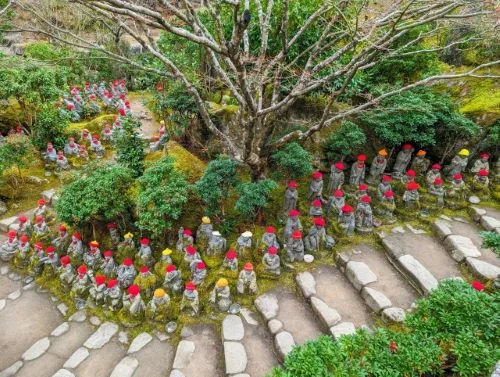
As you explore the temple, you will notice hundreds of small, smiling stone figures tucked into mossy corners, peeking out from tree roots, and lining the staircases. These are Jizō Bosatsu (the earth-womb bodhisattva), one of Japan’s most beloved Buddhist deities.
Jizō is traditionally known as the compassionate protector of travelers, children, and the souls of deceased infants. However, the statues at Daishōin have a uniquely playful and modern personality that you won’t find at most other Japanese temples.
Why Are They Wearing Knitted Hats?
You will quickly notice that many Jizō statues are dressed in a bright, hand-knitted beanie or a colorful cloth bib. In Japanese Buddhism, local volunteers and grieving parents knit these garments as a virtuous act of devotion, aiming to earn spiritual merit in the afterlife.
The color red is most commonly used because it is traditionally believed to ward off illness, demons, and misfortune. During the winter months, the temple grounds look incredibly vibrant as hundreds of stone monks are bundled up against the cold.
Quirky Statues to Look Out For
Daishōin doesn’t take itself too seriously, and hunting for the funniest statues is half the fun of visiting. As you walk the grounds, keep an eye out for these hidden gems:
- The Hip-Hop Jizō: Look closely at the rows along the stairs—some local caretakers regularly equip specific statues with modern sunglasses and oversized headphones.
- The Three Wise Monkeys: You can spot small monk statues reenacting the classic “See no evil, hear no evil, speak no evil” poses.
- The Complaint Jizō (Guchiki-jizo): Located near the Chokugando Hall, this unique statue is depicted cupping a hand to its large ear. Travelers are encouraged to whisper their everyday complaints, worries, or frustrations directly into his ear to clear their minds.
The “Five Hundred Arhats” Garden
While Jizō statues are scattered everywhere, the real showstopper is the Five Hundred Arhats Garden (Gohyaku Rakan). This terrace features 500 unique stone statues representing the original disciples of Shaka Nyorai (the historical Buddha).
Every single statue has a completely different, highly expressive face. Some are laughing, some look deep in thought, and others are whispering secrets to their neighbors. Local folklore says that if you look closely enough through the garden, you will always find one statue that perfectly mirrors your own facial expression, or that of someone you love.
Stepping into the Mystical Henjōkutsu Cave (遍照窟)
If there is one absolute must-see at Daishōin Temple, it is the Henjōkutsu Cave. Hidden underneath the temple’s main lecture hall, stepping inside this dimly lit cave feels like crossing a threshold into another dimension. The cave ceiling is completely covered with thousands of glowing Buddhist lanterns. Their soft, golden light reflects off the stone walls and illuminates rows of solemn Buddhist icons lined up across the floor.
The Shortcut to Japan’s Most Famous Pilgrimage
Aside from its surreal beauty, the Henjōkutsu Cave holds massive spiritual importance for local worshippers. The statues lining the path represent the principal deities of the Shikoku 88 Temple Pilgrimage, one of the most famous and exhausting spiritual journeys in Japan, which typically takes over a month to complete on foot.
Beneath each statue, the temple has embedded sand collected directly from the grounds of each corresponding temple in Shikoku.
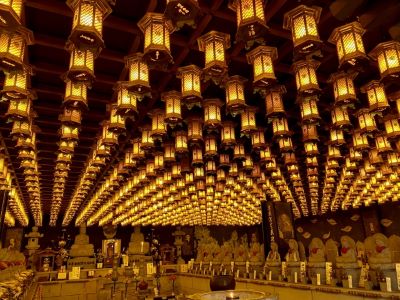
The Spiritual Benefit: It is believed that by walking through the Henjōkutsu Cave and stepping on the stones above the buried sand, you receive the exact same spiritual blessings and karmic merits as completing the entire 750-mile Shikoku pilgrimage.
Tips for Visiting the Cave
- Keep it Quiet: The cave is a deeply revered space for prayer and meditation. Keep your voice to a whisper out of respect for the locals worshipping inside.
- Watch Your Footsteps: Take your time walking along the path, mindfully stepping from stone to stone to honor the symbolic pilgrimage route.
- Photography: Photography without a flash is generally permitted, but always check for updated signs and avoid blocking worshippers paying their respects.
Experiencing Shōjin Ryōri (Buddhist Vegetarian Cuisine) at Daishōin
Whether you are a plant-based traveler or not, the highlight of visiting Daishōin Temple is the chance to eat Shōjin Ryōri (精進料理). This is the traditional, fully vegan cuisine consumed by Buddhist monks across Japan as part of their spiritual practice.
Rooted in the principle of ahimsa (non-violence), Shōjin Ryōri is entirely free from meat, fish, eggs, and dairy. It also avoids using the “five pungent roots”, garlic, onions, scallions, chives, and leeks, as these strong flavors are believed to disrupt the calm, meditative mind.
What Does a Temple Meal Taste Like?
Don’t let the lack of garlic and onions fool you. Shōjin Ryōri is an incredibly flavorful, gourmet culinary art. The chefs balance each meal using the “Rule of Fives”: five colors (green, yellow, red, black, and white) and five flavors (sweet, sour, salty, bitter, and umami).
While the exact menu changes dynamically with the seasons, a typical lunch set at Daishōin includes:
- Goma-dofu: An incredibly creamy tofu made from sesame paste, water, and arrowroot, topped with a dash of fresh wasabi.
- Seasonal Tempura: Delicately battered and fried seasonal vegetables, like lotus root, mountain yam, and wild ferns.
- Nimono: Simmered vegetables cooked in a rich kelp (kombu) broth.
- Rice & Miso Soup: Often enhanced with local mushrooms or seasonal ingredients like chestnuts or bamboo shoots.
Eating in the quiet, historic halls of Daishōin, overlooking the temple gardens, is a profoundly peaceful experience. It perfectly bridges the gap between cultural sightseeing and conscious, plant-based dining on Miyajima.
Essential Rules for Booking Your Meal
Because the monks prepare these meals fresh, you cannot simply walk in and order lunch. The temple typically serves Shōjin Ryōri from 11 am to 2 pm, subject to a strict reservation protocol.
- 1. Check Your Group Size: The temple only accepts Shōjin Ryōri reservations for groups of four or more people. If you are a solo traveler or a couple, consider joining a local tour or reaching out to travel forums to form a small group.
- 2. Book 5 Days in Advance: You must submit your reservation inquiry at least 5 days before your planned visit. Keep in mind that reservations may be blocked out during major Japanese holidays or specific temple festival days. Note that meals are not served on the following dates due to temple events:
- December 31 to January 15
- February 3
- March 8
- April 15, June 15, and November 15
- July 7
- August 10
- September 24
- 3. Submit via the Official Form or by calling +81-829-44-0111: Navigate to the official Daishōin Temple website to fill out the reservation form. If you do not speak Japanese, use browser translation tools. You will need to provide your preferred date, time, and any severe non-meat allergies.
- For your name’s Furigana field, use Google Translate to find how your name is written in Japanese Hiragana.
- If you live overseas and don’t have a Japanese address, enter 000-0000 for the postcode.
Tip: If you are a solo traveler or a couple, it won’t hurt to contact them anyway. If they already have a booking from another group on your intended date, they might be able to cater to you too!
Sūtra Copying (Shakyō) and Buddhist Image Tracing (Shabutsu)
If you want a peaceful, meditative experience, you can participate in an indoor tracing practice inside the temple’s training halls. Before you begin, you will participate in a traditional purification ritual by rubbing a fragrant powdered incense (Zukō) onto your hands, wearing a ceremonial monk’s sash (Wagesa), and grinding your own fresh ink.
The temple offers two distinct options depending on your preference:
- Shakyō (Sūtra Copying, 写経体験): You will use a traditional brush pen to trace the 276 kanji characters of the Heart Sutra over a guide sheet. It requires no previous knowledge of Japanese and is fantastic for practicing active mindfulness.
- Shabutsu (Buddhist Image Tracing, 写仏体験): If you aren’t comfortable with characters, this option lets you trace a delicate artistic outline of a Buddha or Kannon (the Goddess of Mercy) instead.
Quick Facts and Costs
- Price: 1,000 yen for Shakyō (Sūtra Copying) / 2,000 yen for Shabutsu (Image Tracing)
- Duration: Approximately 60 to 120 minutes (you can go at your own pace)
- Available Hours: Daily from 9 am to 2pm (open year-round, except during the New Year period or special temple festivals)
- Group Size: 1 to 20 people (unlike the temple lunch, solo travelers are welcome!)
Practicing Esoteric Buddhist Meditation (Ajikan)
For a truly immersive spiritual experience, Daishōin Temple allows visitors to practice Ajikan (阿字観). This is a foundational, esoteric meditation method unique to Shingon Buddhism that has been practiced by monks for over 1,200 years.
Unlike mindfulness practices that focus solely on clearing the mind, Ajikan uses a visual anchor. Meditators sit before a scroll featuring the Sanskrit character “A” (which represents the cosmic Buddha, Dainichi Nyorai) resting inside a full moon and a lotus flower. Through structured breathing, posture, and visualization, you learn to see that your own mind is as vast as the moon and as pure as the lotus.
Quick Facts and Costs
- Price: 1,000 yen per person
- Duration: Approximately 60 minutes
- Available Hours: Daily from 9 am to 2pm (open year-round, except during the New Year period or special temple festivals)
- Capacity: Open to individuals or groups (minimum of 1 person, maximum of 20)
- What to Wear: Comfortable, loose clothing suitable for sitting cross-legged on tatami mats.
What to Expect During the Session
The experience takes place in a quiet, sacred hall away from the tourist paths. A resident monk will personally guide you through the traditional stages of the meditation:
- Purification: You will begin with a simple purification ritual using powdered incense to clear your senses.
- Posture & Breathing: The monk will teach you the correct Asana (sitting posture) and specific, deep diaphragmatic breathing techniques used by Shingon practitioners.
- The Meditation: You will practice vocalizing the sacred sound of “A” and transitioning into silent visualization, expanding the image of the moon in your mind until it encompasses the universe.
How to Book Your Experience
Because spaces are limited and specific halls are used, you must book your time slot in advance. You can reserve by calling +81-829-44-0111 or by filling out the dedicated digital form on the Official Daishōin Experience Page (be sure to use your browser’s translation tool).
Just like the food reservation form, you will need to fill out your details, choose your preferred date/time, and use your Japanese Furigana name (which you can generate using Google Translate). If you don’t have a local Japanese address for the contact form, simply use your overseas postcode or input 000-0000.
Relax at Rokaku Tea House (The Temple’s Hexagon Cafe)
After exploring the temple’s vast precinct, there is no better place to recharge your energy than Rokaku Tea House (宮島六角茶房). Located right near Daishōin’s main entrance gate, this quaint, historic building has been lovingly converted into a charming, deeply atmospheric cafe.
If you look closely at the architecture and interior furniture, you will notice a recurring theme: almost everything is shaped like a hexagon! In Japan, the six-sided shape is considered incredibly auspicious (bringing good luck and harmony), earning this cozy spot its local nickname, the Hexagon Cafe.
Plant-Based Comfort Food and Hidden Views
The friendly owner-chef, Okita-san, places great emphasis on healthy, wholesome cooking made from scratch with local ingredients. For vegetarian and vegan travelers, the menu always features exceptional plant-based options:
- Vegan Nutty Curry Rice: A rich, fragrant, house-made curry packed with deep flavors and topped with a crunch of roasted nuts.
- Cold Vegan Ramen Noodles: Available during the warmer summer months, this refreshing bowl is widely considered by travelers to be some of the best plant-based ramen in the region.
- Soy Milk Pudding: The perfect, lightly sweetened dessert to cap off your meal.
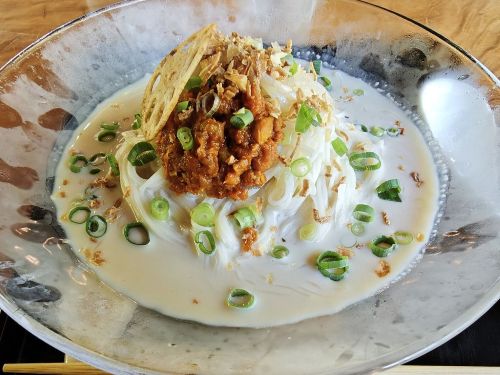
While you wait for your order, take a look at the heavy, rustic wooden tables. They are masterfully crafted from precious, ancient Yakusugi (cedar trees from Yakushima island). The cafe windows look directly out into a quiet Japanese garden, where you might even spot a few friendly wild deer wandering past as you sip your tea.
As a wonderful bonus, Okita-san loves chatting with international guests. Her English gets better every day, and she is always happy to act as a mini “tourist information center,” pointing out secret island spots known only to locals.
💡 Want the full scoop on this cafe? For exact opening hours, access tips, and more photo breakdowns of the menu, check out our dedicated review in our complete Guide to Vegan and Vegetarian-Friendly Spots on Miyajima.
Events and Festivals at Daishōin Temple
Many rituals and events occur at the temple throughout the year. Below are the main ones for you to consider!
- Spring Festival and Firewalking Shinto Ritual (春季大祭・紫灯護摩 火渡り神事): April 15 from 11 am
- Miyajima Candle Festival (宮島ローソクまつり 萬燈会): September 11 to 13 in 2026
- Autumn Foliage Light-Up (もみじライトアップ): From Friday to Sunday between November 17 and 29
- Autumn Festival and Firewalking Shinto Ritual (秋季大祭・紫灯護摩・火渡り神事): November 15
Daishōin Temple’s Opening Hours and Access Information
- Daishōin is open from 8 am to 5 pm.
- Depending on where you are starting your day on Miyajima, here is how long it will take to walk to Daishōin:
- From the Miyajima Ferry Pier: A leisurely 20 to 25-minute walk (approx. 1.5 km). You can either walk along the coastal path past the shops or take the quieter backstreets.
- From Itsukushima Shrine: A short 5 to 7-minute walk from the exit of the shrine.
- From Momijidani Park: A peaceful 7-minute walk through the forested paths.
Refer to our How to Get to Miyajima article for different options and steps to get to Miyajima.
Spending a Night on Miyajima Island
If you are planning to stay overnight on the island, which we highly recommend to experience the peaceful, crowd-free evenings, the very last thing you want to do is drag heavy suitcases down narrow cobblestone streets.
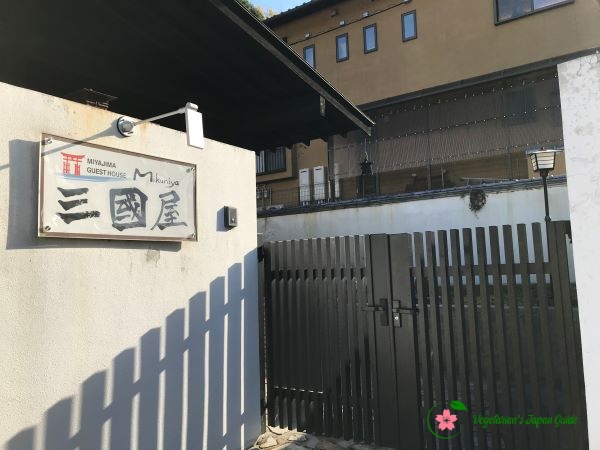
Our Stay: Miyajima Guest House Mikuniya (三國屋)
We chose Mikuniya, a highly rated, social guesthouse that perfectly blends the cozy feel of a traditional ryokan with an affordable budget. Check out our Miyajima Guest House Mikuniya Review for our experience!
- The Cost & Room: It is incredibly reasonable. Around 12,000 yen gets you a wonderfully spacious Japanese-style room for two people!
- The Location: It sits a little further back from the busy tourist strip, requiring a scenic 10-to-15-minute walk from Miyajima Pier, but the absolute tranquility makes it completely worth it.
- The Highlight: Beyond the fantastic guest reviews, a major highlight of our stay was getting to play with the owner’s incredibly friendly resident cat!
Other Highly Recommended Miyajima Hotels & Ryokans
If you are looking for traditional multi-course dining (Kaiseki) but have strict dietary needs, finding a ryokan in Japan can be tough because most standard menus rely heavily on fish broth (dashi). However, these specific properties are excellent at accommodating special dietary restrictions if requested at the time of booking:
- Miyajima Seaside Hotel: Most suitable for travelers looking for a peaceful beachside retreat away from the main town center. This hotel features beautiful indoor mineral hot springs (onsen) facing the sea and is highly praised by international travelers for accommodating excellent, dedicated vegetarian dinner menus.
- Miyajima Hotel Makoto: Most suitable for families or couples wanting a classic, deeply authentic ryokan experience right in the heart of town. It features massive, beautiful 12.5-tatami mat rooms and an on-site public bath. Their kitchen can expertly prepare tailored vegetarian, vegan, or gluten-free traditional meals, just ensure you notify them several days in advance so they can pre-order the specialty ingredients.
Discover Other Fascinating Attractions on Miyajima
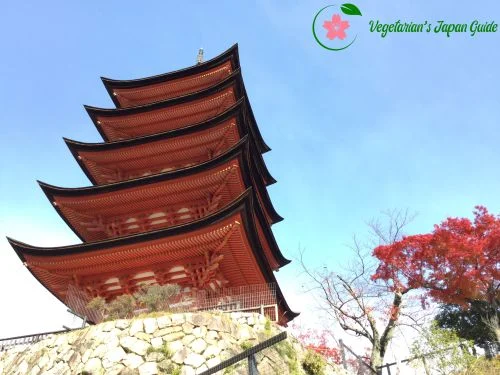
Now that you know how to navigate Daishōin Temple and secure your traditional plant-based lunch, it is time to map out the rest of your island adventure. Daishōin is perfectly positioned to fit into a full-day trip alongside the island’s most iconic coastal landmarks.
To learn how to time your visit with the tides to walk right up to the famous floating torii gate, navigate the ancient shrine boardwalks, and choose the best route to catch the scenic ropeway to the mountain peak, jump over to our comprehensive guide on Miyajima’s World Heritage Itsukushima Shrine and Mt. Misen.