Planning a trip to Japan requires more than just a passport and a pair of walking shoes. It requires a strategy that accounts for the country’s shifting microclimates and its rapidly evolving travel landscape. Whether you are chasing the “Sakura Frontline” through the mountains of Nagano, timing your visit for the peak of autumn foliage in Kyoto, or seeking the heavy powder of Hokkaido’s snow season, your luggage needs to be as adaptable as your itinerary. In this comprehensive guide, we break down exactly what to pack for every season, from the damp chill of a Kanazawa winter to the subtropical humidity of an Okinawan summer. We have meticulously mapped out the year’s major festivals and flowering schedules to ensure you are always in the right place at the right time.
Japan Seasonal Guide: What to Wear, Flowering Schedules, and Event Calendar
- 3 Pro-Tips for Packing for Your Upcoming Japan Trip:
- The Four Seasons in Different Parts of Japan and the Outfit Matrix
- Japan's Weather and Flower Guide
- Planning Your Next Japan Trip?
3 Pro-Tips for Packing for Your Upcoming Japan Trip:
- The “Temple Ready” Rule: Pack a pair of clean, hole-free socks regardless of the season. You will frequently remove your shoes at temples, traditional restaurants, and ryokans.
- Fabric Choice: While many suggest Merino wool for layering, I recommend Synthetic Heat-Retention layers (like Uniqlo’s Heat-tech) or Heavyweight Organic Cotton. These are easier to wash in Japanese coin laundries and dry much faster in high humidity.
- The “Empty Space” Rule: Always pack your suitcase only 60% full. Between the amazing vegan snacks, unique stationery, and regional crafts, you will need that extra space for your flight home.
Tip: Most Japanese hotels have coin laundries. This allows you to pack lighter.
The Four Seasons in Different Parts of Japan and the Outfit Matrix
| Region | 🌸Spring (Mar-May) | ☀️Summer (Jun-Aug) | 🍁Autumn (Sep-Nov) | ❄️Winter (Dec-Feb) |
| Hokkaido | 1°C – 15°C Outfit: Winter coat in Mar; light jacket in May. | 16°C – 25°C Outfit: Cotton t-shirt, light “shacket” for evenings, comfortable jeans. | 5°C – 18°C Outfit: Fleece jacket, knit beanie, sturdy walking boots. | -10°C – 0°C Outfit: Long down parka, Heat-tech ultra-warm, cleated snow boots. |
| Kanazawa | 7°C – 17°C Outfit: Trench coat, colorful scarf, water-resistant loafers. | 24°C – 30°C Outfit: Linen button-down, wide-leg trousers, sturdy UV umbrella. | 10°C – 20°C Outfit: Wool blazer, long skirt with tights, (vegan) leather boots. | 1°C – 7°C Outfit: Waterproof overcoat, insulated vest, non-slip rubber soles. |
| Tokyo | 12°C – 20°C Outfit: Denim jacket over a white tee, slacks, trendy sneakers. | 26°C – 33°C Outfit: Oversized “Airism” tee, breathable mesh skirt, stylish sandals. | 15°C – 22°C Outfit: Technical windbreaker, knit sweater, taupe jeans. | 4°C – 12°C Outfit: Tailored overcoat, thermal undershirt, thick muffler (scarf). |
| Kyoto/Osaka | 13°C – 21°C Outfit: Spring cardigan, midi dress, clean, hole-free slip-on socks. | 27°C – 35°C+ Outfit: Loose linen dress or “Kariyushi” shirt, cooling neck towel. | 16°C – 23°C Outfit: Long-sleeve Henley, light vest, walking chinos. | 3°C – 11°C Outfit: Puffer jacket, Heat-tech leggings, warm ankle socks. |
| Nagano | 5°C – 15°C Outfit: Flannel shirt, quilted vest, sturdy hiking shoes. | 18°C – 28°C Outfit: Moisture-wicking activewear, packable rain shell. | 8°C – 18°C Outfit: Heavy fleece, corduroy pants, warm headband/beanie. | -5°C – 5°C Outfit: Ski-style tech jacket, thermal base, thick hiking socks. |
| Kyushu | 14°C – 22°C Outfit: Casual hoodie, light utility jacket, versatile sneakers. | 26°C – 32°C Outfit: UV-cut hoodie, quick-dry shorts, waterproof sneakers. | 17°C – 24°C Outfit: Breathable long-sleeve tee, light windbreaker, cap. | 6°C – 13°C Outfit: Quilted bomber jacket, light scarf, comfortable shoes. |
| Okinawa | 18°C – 25°C Outfit: Short sleeves, light cardigan for breezy nights, flip-flops. | 27°C – 33°C Outfit: Swimwear/Rash guard, breathable beach cover-up, water shoes. | 22°C – 29°C Outfit: Aloha/Kariyushi shirt, linen shorts, polarized sunglasses. | 15°C – 20°C Outfit: Long-sleeve cotton tee, windbreaker (for sea breeze), sneakers. |
- Tokyo Style: If you want to stay stylish in Tokyo, pack “smart-casual” layers. An oversized blazer or a clean trench coat lets you blend seamlessly between a Shinjuku cafe and a Ginza dinner.
- The “Kanazawa Umbrella” Rule: There is a famous local saying: “Even if you forget your lunch, don’t forget your umbrella.” Kanazawa is much wetter and “damper” than Tokyo. Prioritize waterproof footwear (Gore-Tex sneakers are great) over fashion-forward suede or canvas shoes. They will get ruined in the Hokuriku slush.
- The “Kariyushi” Style: In Okinawa, the “Kariyushi” shirt (similar to an Aloha shirt) is considered formal wear. You can buy these locally to blend in and stay cool.
- Water Shoes over Flip-Flops: Okinawa has many rocky and coral-heavy beaches. Sturdy water shoes are safer and more practical than standard flip-flops for exploring the coastline.
Spring in Japan
- The “Base-Mid-Outer” Rule: Wear a t-shirt (Base), a cardigan (Mid), and a trench coat (Outer). This “modular” approach is the only way to survive a day that starts at 7°C and ends at 21°C.
- The “Kafun” (Hay Fever) Battle: Buy “Kafun-sho” masks (specifically labeled for pollen) and pollen-blocking sprays at drugstores like Matsumoto Kiyoshi if you are affected.
- UV-Cut Gear: By late April, the sun in Japan is surprisingly strong. A foldable “UV-cut” hat or parasol is a local staple that will protect your skin during long Hanami (flower-viewing) sessions.
- The Bottoms: Avoid heavy denim. It takes too long to dry if you get caught in a spring shower. Opt for Tapered Chinos or Wide-leg Rayon trousers.
- The “Secret” Layer: Uniqlo Heat-tech “Light” (not the Ultra Warm). You can wear this under a t-shirt in the morning and peel it off in a restroom once the afternoon heat hits.

| Feature | Early Spring (March – Mid-April) | Late Spring (Late April – May) |
| The Vibe | “The Awakening.” Crisp, windy, and fickle. | “Early Summer.” Lush, stable, and warm. |
| Avg. Temp (Tokyo) | 8°C – 16°C (Mornings are very chilly) | 15°C – 24°C (Afternoons feel like summer) |
| Main Challenge | Extreme Day/Night Swings. 10°C drops at 5 PM. | UV Intensity & Crowds. Golden Week humidity. |
| Key Clothing | Trench coats, light knits, and Heat-tech. | Linen blends, t-shirts, and light cardigans. |
| Footwear | Leather (vegan) sneakers or loafers. | Breathable mesh sneakers or sandals. |
Summer in Japan
- The Altitude Gap: Even in summer, the temperatures can be 10°C lower in mountain areas such as Kamikochi. A packable windbreaker is non-negotiable here.
- The Rainy Season takes place from late May to June. So rain gear is a must when you travel. Shoes with waterproof soles could also come in handy.
- Kyushu’s Rainy Season (Tsuyu): Fukuoka gets hit harder by the early summer rains than Tokyo. You can purchase a “Ame-yoke” (rain covers) to protect your bags from the wet weather. The covers can easily be found at 100-yen stores like Daiso.

- The Typhoon Season runs from July to September. Wearing something light and airy with an outer layer that can be easily removed is the best outfit for the three months.
- The Urban Heat Island: Weather is hotter in big cities with many high-rise buildings because buildings absorb heat and block wind, making the cities even hotter and more humid.
- UV Protection (The “Okinawa Sun” Warning): The UV index in Okinawa is significantly higher than in mainland Japan. A mineral-based, reef-safe sunscreen (brands like Allie or Biore often have vegan-friendly options) to protect both their skin and the coral reefs.
Tip: Towels, handkerchiefs, or wet wipes will be useful, and a water bottle is a must during the super-hot, humid Japanese summer.
Autumn in Japan
- The “3-Layer System”: Base (T-shirt) + Mid (Cardigan/Fleece) + Outer (Trench/Windbreaker). This allows you to adjust as the sun moves.
- The “Temple Sock” Strategy: In late autumn, wooden temple floors are freezing. Wear thick, cushioned socks—they act as slippers when you have to leave your shoes at the door.
- Moisturizer & Lip Balm: Late autumn air in Japan (especially in Tokyo) can become incredibly dry. Your skin will thank you for packing a rich, plant-based balm.
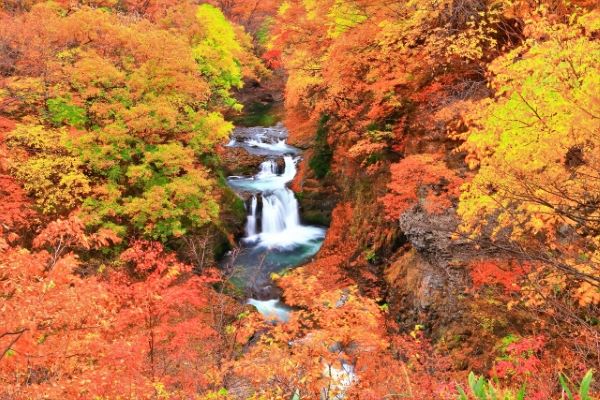
Tip: As the leaves turn red and gold, Japanese fashion shifts to burgundy, navy, and charcoal. Packing darker color tones helps you blend in and look better in “Koyo” photos.
| Feature | Early Autumn (Sept – Mid-Oct) | Late Autumn (Late Oct – Nov) |
| The Vibe | “Extended Summer.” Humid, green, and rainy. | “Crisp & Colorful.” Dry, chilly, and bright. |
| Avg. Temp (Tokyo) | 20°C – 27°C (Highs can still hit 30°C) | 8°C – 16°C (Nights get quite cold) |
| Main Challenge | Typhoons & Humidity. Sudden downpours. | Drastic Day/Night Spikes. 10°C drops at sunset. |
| Key Clothing | Breathable cotton, linens, and rain gear. | Knits, light down vests, and scarves. |
| Footwear | Waterproof sneakers or sandals. | Boots or leather (vegan) walking shoes. |
Winter in Japan
- The Winter “Indoor Heat” Warning: While it can be -10°C outside, the trains and malls are often blasted with heat up to 22°C. Easy-to-remove outer layers are more important than a single heavy sweater.
- Kyoto’s “Damp” Winter: Because Kyoto is in a basin, the winter cold feels “sharper” and more humid than Tokyo’s dry cold. Wearing extra thermal leggings for temple floors (which are ice-cold wood) will keep you warm.

- Hokkaido’s “Extreme Dryness” in Winter: While it is the coldest, Hokkaido’s winter air is incredibly dry. For your pack a rich balm or salve to prevent skin cracking.
- Winter Wind Chill: While 15°C sounds warm, Okinawa’s winter is very windy. A windproof layer is more important than a thick sweater.
Japan’s Weather and Flower Guide
Further to the seasonal attire summary above, below is a more detailed guide to seasonal temperatures across Japan’s regions, including each region’s flowers and fall foliage.
Monthly Temperature Guide in Japan’s Main Cities (°C)
| Month | Sapporo | Tokyo | Osaka | Kanazawa | Matsumoto | Nagano | Fukuoka | Naha |
| Jan | 0 / -7 | 10 / 2 | 9 / 3 | 7 / 1 | 5 / -5 | 3 / -4 | 10 / 3 | 19 / 14 |
| Feb | 0 / -7 | 10 / 2 | 9 / 3 | 7 / 1 | 7 / -5 | 4 / -4 | 11 / 4 | 19 / 14 |
| Mar | 4 / -4 | 13 / 5 | 13 / 5 | 11 / 4 | 11 / -1 | 9 / 0 | 14 / 6 | 21 / 16 |
| Apr | 11 / 3 | 18 / 11 | 20 / 11 | 17 / 8 | 18 / 4 | 16 / 5 | 19 / 11 | 24 / 19 |
| May | 17 / 8 | 23 / 15 | 24 / 15 | 22 / 13 | 24 / 10 | 22 / 11 | 24 / 15 | 26 / 22 |
| Jun | 21 / 12 | 25 / 19 | 27 / 20 | 25 / 18 | 26 / 15 | 26 / 16 | 27 / 19 | 29 / 25 |
| Jul | 25 / 17 | 29 / 23 | 31 / 24 | 28 / 22 | 30 / 20 | 30 / 20 | 31 / 24 | 31 / 26 |
| Aug | 26 / 19 | 31 / 24 | 33 / 25 | 31 / 24 | 31 / 21 | 31 / 21 | 32 / 25 | 31 / 26 |
| Sep | 21 / 13 | 27 / 20 | 29 / 21 | 27 / 20 | 26 / 16 | 26 / 17 | 29 / 21 | 30 / 25 |
| Oct | 16 / 7 | 22 / 14 | 23 / 14 | 22 / 14 | 20 / 9 | 19 / 10 | 23 / 15 | 28 / 23 |
| Nov | 8 / 1 | 17 / 8 | 17 / 8 | 16 / 8 | 14 / 3 | 13 / 3 | 18 / 9 | 24 / 20 |
| Dec | 2 / -4 | 12 / 3 | 12 / 4 | 11 / 4 | 8 / -2 | 6 / -2 | 12 / 4 | 21 / 16 |
- Sapporo’s Late Spring: While Kyushu is enjoying 20°C weather in April, Sapporo is still barely above freezing at night. This is a crucial warning for travelers planning a “North-to-South” trip.
- Okinawa’s Subtropical Consistency: Notice how Naha barely dips below 15°C even in the winter. This is your “winter sun” if you are after warmer weather for water sports in the colder months.
Hokkaidō’s Four Seasons
Hokkaidō, located at the northern tip of Japan, has distinct seasons. While Hokkaidō’s natural landscape is picturesque throughout the year and doesn’t have a rainy season from late spring to early summer, the region is extremely cold in winter and has a long snow season.
- Hokkaidō’s average winter temperature is -2 to – 12 degrees.
- Hokkaidō’s average summer temperature is 19 – 32 degrees.
- The temperature difference between day and night is significant. In mid-summer, temperatures can reach 35 degrees, so consider this when planning and packing.
- Hokkaidō’s cherry blossom season:
- Hakodate: Late April to early May
- Hokkaidō in general: early May
- Hokkaidō’s lavender blossom season:
- Lavender starts blooming in June
- Hokkaidō’s lavender peaks in July and can last until early August.
- Hokkaidō’s ginkgo season is from mid to late October.
- Hokkaidō’s fall foliage season is October.

- Hokkaidō’s snow season is from December to March.
- Many ski resorts are open from late November. But please confirm with the ski resort you want to visit beforehand.
- Sapporo Snow Festival (さっぽろ雪まつり) is usually held in early February.
Hokkaido Signature Festivals by Season
| Season | Festival Name | Typical Dates | Primary Focus |
| ❄️ Winter | Sapporo Snow Festival (さっぽろ雪まつり) | Early to Mid-Feb | Giant snow & ice sculptures. |
| Otaru Snow Light Path (小樽雪あかりの路) | Early to Mid-Feb | Floating candles & lanterns. | |
| 🌸 Spring | Shizunai Cherry Blossoms (二十間道路桜並木/しずない桜まつり) | Late Apr to Beginning of May | 7km road of 2,000+ trees. |
| Sapporo Lilac Festival (さっぽろライラックまつり) | Late May | Music, wine, and lilac blooms. | |
| ☀️ Summer | Yosakoi Soran Festival (YOSAKOIソーラン祭り) | Early June | High-energy street dancing. |
| Sapporo Summer Festival (さっぽろ夏まつり) | Late July – Mid-Aug | Outdoor food & drink. | |
| 🍁 Autumn | Sapporo Autumn Fest (さっぽろオータムフェスト) | Mid-Sept – Early Oct | Regional harvest & gourmet. |
| Marimo Festival (まりも祭り) | Early Oct | Ainu culture & lake ecology. |
Tōhoku Region’s Four Seasons
Tōhoku Region has six prefectures. From north to south, they are Aomori, Akita, Iwate, Yamagata, Miyagi, and Fukushima Prefectures. Tōhoku Region is known for its magnificent mountain scenery and old hot spring towns. In winter, the view of rime on trees, commonly known as snow monsters, is one of the main reasons tourists visit the region.
- Tōhoku’s average winter temperature is 5 to – 6 degrees.
- Tōhoku’s average summer temperature is 21 – 30 degrees.
- Tōhoku’s cherry blossom season is from late April to early May.
- Hirosaki Castle Park is a must-visit for cherry blossoms in the Tohoku region.
- Tōhoku’s ginkgo season is from mid-October to late November, depending on the prefecture.
- Tōhoku’s fall foliage season starts in early October and peaks from late October to late November, depending on the prefectures.
- The attractions in the Hakkoda Mountains are stunning in autumn.
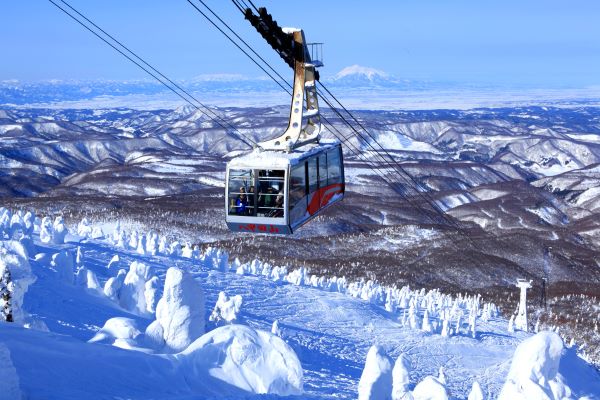
- Tōhoku’s rime on trees season is in January and February.
- Tōhoku’s snow season is from December to March.
- Ski resorts are open from mid-December. But please confirm with the ski resort you want to visit beforehand.
Tohoku Signature Festivals by Season
| Season | Festival Name | Typical Dates | Primary Focus |
| ❄️ Winter | Yokote Kamakura Festival (横手の雪まつり) | A weekend in mid-Feb | Glowing snow huts (igloos). |
| Hirosaki Castle Snow Lantern Festival (弘前城雪燈籠まつり) | Early Feb | Illuminated snow lanterns & sculptures. | |
| 🌸 Spring | Hirosaki Cherry Blossom Festival (弘前さくらまつり) | Mid-Apr – Beginning of May | 2,600+ trees & “pink petal” moat. |
| Kitakami Tenshochi Cherry Blossom Festival (北上展勝地さくらまつり) | Mid to the end of Apr | Horse-drawn carriages & carp streamers. | |
| ☀️ Summer | Aomori Nebuta Matsuri (青森ねぶた祭) | Aug 1 – 7 | Giant, illuminated 3D paper floats. |
| Akita Kanto Matsuri (秋田竿燈まつり) | Aug 3 – 6 | Balancing 50kg lantern poles on hips/brows. | |
| Sendai Tanabata Matsuri (仙台七夕まつり) | Aug 6 – 8 | Massive, colorful 5-meter paper streamers. | |
| 🍁 Autumn | Nihonmatsu Lantern Festival (二本松の提灯祭り) | The first weekend and the following Monday in Oct | 3,000+ hand-held lanterns on floats. |
| Hirosaki Castle Chrysanthemum and Autumn Foliage Festival (弘前城菊と紅葉まつり) | End of Oct – early Nov | Stunning autumn colors in the castle park. |
Hokuriku Region’s Four Seasons
Hokuriku Region includes Toyama, Fukui, Ishikawa, and Niigata Prefecture. Among them, Tateyama Kurobe Alpine Route, which spans across Nagano and Toyama prefectures, is one of the most popular tourist destinations in the region. Ishikawa Prefecture’s Kanazawa City is another famous destination in the Hokuriku region, known for its Kenrokuen Garden and unique traditional vibe.
One thing to note about the Hokuriku Region is its winter. The region receives a lot of snow in winter and sometimes even snowstorms! So bring enough warm clothes with you if you want to venture out into the snow kingdom.
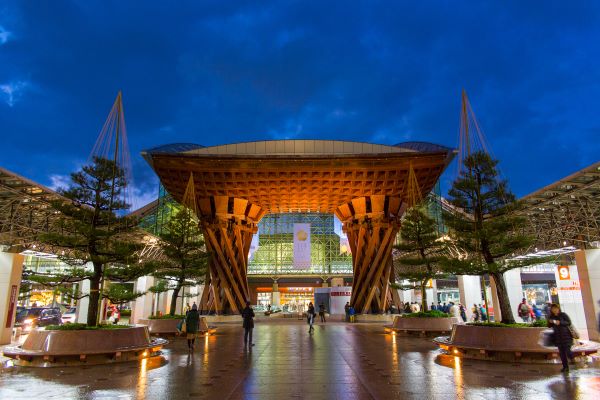
- Hokuriku’s average winter temperature is 4 – 7 degrees.
- Hokuriku’s average summer temperature is 20 – 32 degrees.
- Tateyama Kurobe Alpine Route is usually accessible from mid-April to mid-November.
- Due to the foehn effect (warm, dry winds blowing down from the mountains), the region can experience intense, dangerous heat, with temperatures occasionally exceeding 35 – 40 degrees.
- Hokuriku’s cherry blossom season is from early to late April, depending on the prefecture.
- Refer to HERE for the cherry blossom spots in and around Kanazawa.
- Hokuriku’s ginkgo season is from late October to early November, depending on the prefectures.
- Hokuriku’s fall foliage season starts around late October and peaks from early to late November, depending on the prefectures.
- Kurobe Gorge‘s fall foliage season starts in late October.
- Kanazawa‘s fall foliage season starts in mid-November and can last until early December.
- Tateyama Kurobe Alpine Route‘s fall foliage season peaks from late September at the summit and can last until late October at Kurobe Dam.
- Hokuriku’s snow season is from late November to March, depending on the prefecture.
- If you plan to visit the Tateyama Kurobe Alpine Route, the summit, Murodō, usually receives its first snowfall from mid to late October.
Hokuriku Signature Festivals by Season
| Season | Festival Name | Typical Dates | Primary Focus |
| ❄️ Winter | Katsuyama Sagicho (勝山左義長) | The last weekend of Feb | Red-robed drumming on turrets. |
| Unazuki Onsen Snow Carnival (宇奈月温泉雪のカーニバル) | A Saturday or Sunday in early Feb | Torchlight skiing & fireworks. | |
| 🌸 Spring | Takaoka Mikurumayama (高岡御車山祭) | May 1 | 400-year-old ornate artisan floats. |
| Mikuni Festival (三国祭) | May 19 – 21 | Giant 6-meter “warrior” floats. | |
| ☀️ Summer | Hyakumangoku Festival (金沢百万石祭り) | June 5 – 7 | Samurai parade & Kaga lion dance. |
| Abare Matsuri (あばれ祭り) | First Friday and Saturday of July | Intense fire & portable shrines. | |
| 🍁 Autumn | Owara Kaze no Bon (おわら風の盆) | Sept 1 – 3 | Elegant, silent folk dancing. |
Kantō Region’s Four Seasons
Kantō Region is the most familiar area of Japan to tourists because, apart from Tokyo, Kantō Region also includes Kanagawa (Yokohama, Kamakura, (Disney Resort), Gunma (Kusatsu Onsen), Tochigi, Ibaraki, and Saitama Prefecture (Kawagoe).
Kantō area is warmer than Tōhoku and Hokuriku regions. While snow is rarer in city centers, the mountainous areas still receive ample snowfall, and there are a couple of ski resorts in the Kantō region.
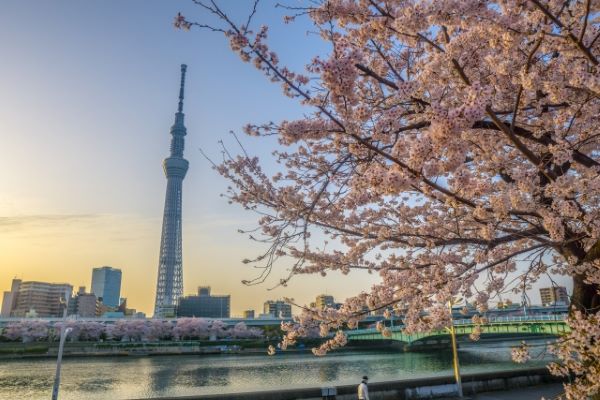
So whether it is admiring the flowers in spring and summer, fall colors in autumn, or skiing in winter, Kantō region can fulfil your request!
- Kantō’s average winter temperature is 4 – 12 degrees.
- Kantō’s average summer temperature is 22 – 33 degrees.
- But note that the temperature in the mountains is generally a lot colder than in the city center.
- Kantō’s rapeseed season is from January to April, depending on the prefecture.
- Kantō’s cherry blossom season is from late March to early April.
- Kawazu-zakura can blossom as early as late February.
- Kantō’s wisteria season is from March to May, depending on the prefecture.
- Hitachi Seaside Park’s baby blue eyes season is from late April to early May.
- Ashikaga Flower Park’s hydrangea season is in June.
- Note that June is also the rainy season in Kantō region.
- Kantō’s ginkgo season is from early November to early December, depending on the prefectures.
- Kantō’s fall foliage season is from mid-November to early December.
- Note that the season may start earlier in mountainous areas in October.
- Kantō’s snow season is from late December to February. Please confirm with the ski resort you want to visit for the exact dates.
Kanto Signature Festivals by Season
| Season | Festival Name | Typical Dates | Primary Focus |
| ❄️ Winter | Chichibu Night Festival (秩父夜祭) | Dec 2 – 3 | Massive glowing floats & winter fireworks. |
| Katsuura Big Hina Matsuri (かつうらビッグひな祭り) | Late Feb – Mar 3 | 30,000+ dolls on giant red stairs. | |
| 🌸 Spring | Sanja Matsuri (三社祭) | May 15 – 17 | Tokyo’s wildest shrine festival in Asakusa. |
| Kanda Matsuri (神田祭) | ☛ The Saturday and Sunday preceding May 15 ☛ Alternates with the Sannō Matsuri, so it is only held in odd-numbered years | One of the “Big Three” of Japan. | |
| The Great Wisteria Festival (大藤まつり) | Mid-Apr – Mid-May | 150-year-old purple tunnels. | |
| ☀️ Summer | Sumida River Fireworks (隅田川花火大会) | The last Saturday of July | Japan’s oldest firework display. |
| Fukagawa Hachiman Festival (深川八幡祭り) | Mid-August | The “Water Throwing” festival. | |
| 🍁 Autumn | Kawagoe Festival (川越まつり) | The third weekend of Oct | “Little Edo” float battles. |
| Meiji Jingu Fall Festival (明治神宮秋の大祭) | Nov 1 – 3 (climax) | Traditional arts (Yabusame/Bugaku). |
Chūbu Region’s Four Seasons
The Chūbu Region includes Shizuoka, Aichi, Gifu, Nagano, and Mie Prefectures. If you want to visit Mt. Fuji or the Izu Peninsula, they are both in Shizuoka Prefecture.
The most famous city in the Chūbu Region is probably Nagoya, home to Chūbu Centrair International Airport. Another famous spot in the region is Shirakawa-gō in Gifu Prefecture, a village filled with traditional thatched-roof houses. If you love ancient legends, there are plenty in Mie

- Chūbu’s average winter temperature is -13 to 2 degrees.
- Chūbu’s average summer temperature is 22 to 32 degrees.
- But note that the temperature on the mountain is generally much colder than in the city center.
- Chūbu’s cherry blossom season is from late March to mid-April, depending on the prefecture.
- Chūbu’s ginkgo season is from early November to early December, depending on the prefectures.
- Chūbu’s fall foliage season is from early November to early December.
- Note that the season may start earlier in mountainous areas in October.
- Refer to HERE for an itinerary perfect for admiring the autumn foliage in Chūbu region without being pushed around.
- Chūbu’s snow season is from early December to March. Please confirm with the ski resort you want to visit for the exact dates.
Chubu Signature Festivals by Season
| Season | Festival Name | Typical Dates | Primary Focus |
| ❄️ Winter | Mt. Omuro Yamayaki (大室山山焼き) | The 2nd Sunday in February, subject to weather conditions | Burning an entire mountain. |
| Tokamachi Snow Festival (十日町雪まつり) | A weekend in late Feb | Snow art & “Kimono” history. | |
| 🌸 Spring | Takayama Spring Festival (春の高山祭) | Apr 14 – 15 | Elaborate 17th-century floats. |
| Onbashira (御柱祭) | Early Apr, Early to Mid-May, and Jun 15 Once every 7 years | Riding massive logs down hills. | |
| ☀️ Summer | Gujō Odori Dance Festival (郡上おどり) | Over 30 festive nights, from mid-July until the first weekend in September | 32 nights of communal dancing. |
| Toyota Oiden Festival (豊田おいでんまつり) | The last weekend in July | Modern dance & huge fireworks. | |
| 🍁 Autumn | Takayama Autumn Festival (秋の高山祭) | Oct 9 – 10 | Golden floats & marionettes. |
Kansai Region’s Four Season
Kansai is another part of Japan that most of us are familiar with. Whether it is Osaka’s lively shopping districts, Kyoto’s World Heritage Sites, the romantic port city of Kobe in Hyōgo Prefecture, or the deer in Nara, they are all part of the Kansai Region.
In addition, Shiga Prefecture, where Japan’s biggest lake, Lake Biwa, is located, and Wakayama Prefecture, where the sacred Kōyasan is located, are also in the Kansai region.
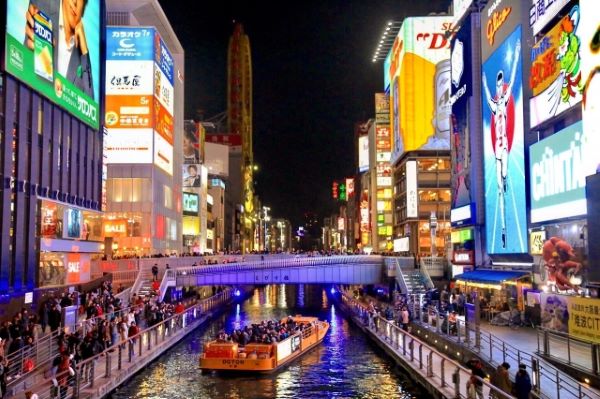
The weather in the Kansai region is similar to Kantō. Summer is warm, if not usually hot. While winter is cold, it rarely snows in big cities.
- Kansai’s average winter temperature is 2 – 12 degrees.
- Kansai’s average summer temperature is 22 – 35 degrees.
- Kansai’s cherry blossom season is from late March to early April, depending on the prefecture.
- Refer to our article on Shiga Prefecture’s cherry blossom spots to adore the gorgeous flowers with fewer crowds.
- Kansai’s hydrangea and rain season are around June.
- Kansai’s ginkgo season is from mid-November to early December, depending on the prefectures.
- Kansai’s fall foliage season is from mid-November to early December.
- Please note that the season tends to start earlier in mountainous areas, around late October.
- Refer to HERE for an itinerary perfect for admiring the autumn foliage in Kansai region without being pushed around.
- Kansai’s snow season is from late December to February. Please confirm with the ski resort you want to visit for the exact dates.
Kansai Signature Festivals by Season
| Season | Festival Name | Typical Dates | Primary Focus |
| ❄️ Winter | Toka Ebisu (十日戎 大阪) | Jan 9 – 11 | Praying for business luck. |
| Todai-ji Omizutori (修二会) event schedule | Mar 1 – 14 | Giant torches & fire rituals. | |
| 🌸 Spring | Miyako Odori (都をどり) | Apr 1 – 30 | Geiko & Maiko spring dances. |
| Aoi Matsuri Festival (葵祭) | May 15 | Ritualized petition to the deities. | |
| ☀️ Summer | Gion Matsuri (祇園祭) | July 1 – 31 ☛ 17th (Early/Saki Matsuri Festival) ☛ 24th (Latter/Ato Matsuri Festival) | 1,000+ year old float parade. |
| Tenjin Matsuri (天神祭) | July 24 – 25 | Land & river boat procession. | |
| Nachikan Fire Festival (那智の火祭り) | July 14 | Massive torches at a waterfall. | |
| Gozan Okuribi (五山送り火) | Aug 16 | Sending Off the Souls by bonfire ritual. | |
| 🍁 Autumn | Jidai Matsuri (時代祭) paid seating | Oct 22 (Thu) | “Festival of the Ages” parade. |
| Kishiwada Danjiri (岸和田だんじり祭) | ☛ The weekend before the 3rd Monday in Sept ☛ The weekend before the 2nd Monday in Oct | High-speed “drifting” floats. | |
| Kurama Fire Festival (鞍馬の火祭) | Night on Oct 22 (Thu) | Torches in a mountain village. |
Sanyo-San’in/Chūgoku’s Four Seasons
While it may sound confusing, the Sanyo-San’in is the same as the Chūgoku region. It is the birthplace of Japan’s mythology, which is the basis of Shintoism.
Tottori and Shimane prefectures in the north face the Sea of Japan, and the climate is generally cold and rainy. It is likely that these two prefectures will also experience snowstorms in winter.
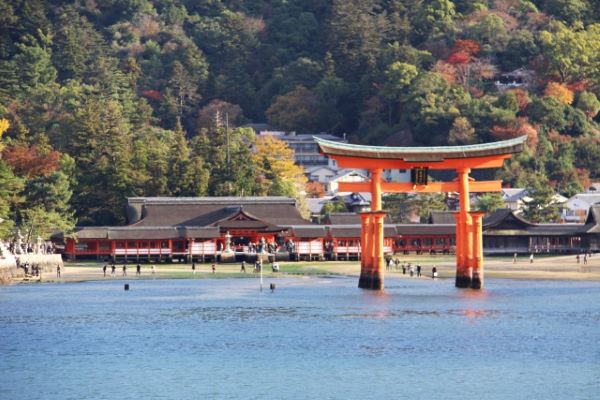
On the other hand, Okayama, Hiroshima, and Yamaguchi prefectures in the south enjoy relatively warmer weather and have a lot more sunny days. In fact, Okayama Prefecture is known as the Land of Sunshine, which makes the fruits produced there super delicious. Facing the Seto Inland Sea, these prefectures have spots for you to adore the magnificent ocean view.
- Chūgoku’s average winter temperature is 2 to 12 degrees.
- Chūgoku’s average summer temperature is 23 to 35 degrees.
- Chūgoku’s cherry blossom season is from late March to early April, depending on the prefecture.
- Chūgoku’s fruit season is from May to October.
- Chūgoku’s ginkgo season is from mid-November to early December, depending on the prefectures.
- Chūgoku’s fall foliage season is from mid-November to early December.
- Note that the season tends to start earlier in mountainous areas, around late October.
- Chūgoku’s snow season is from late December to February.
Chugoku Signature Festivals by Season
| Season | Festival Name | Typical Dates | Primary Focus |
| ❄️ Winter | Saidai-ji Eyo/Naked Fest (西大寺会陽) | 3rd Saturday of Feb | 9,000+ men competing for sacred sticks. |
| Tottori Flower Illumination (とっとり花回廊フラワーイルミネーション) | mid-Nov to mid-Jan | One of the region’s largest light shows. | |
| 🌸 Spring | Hiroshima Flower Festival (ひろしまフラワーフェスティバル) | May 3 – 5 | Peace parades & 30,000+ flowers. |
| Shimonoseki Kaikyo Festival (しものせき海峡まつり) | May 2 – 4 | Historical parades & naval battle reenactments. | |
| ☀️ Summer | Kangen-sai (管絃祭) | Jun 17 of the lunar calendar | Shinto ritual on boats at the floating Torii. |
| Tottori Shan Shan Festival (鳥取しゃんしゃん祭) | Aug 13 – 15 | Thousands of dancers with ringing umbrellas. | |
| Matsue Suigo Fireworks (松江水郷祭) | A weekend in Early Aug | Massive display over Lake Shinji. | |
| 🍁 Autumn | Kamiari-sai (神在祭) | Oct 11 – 17 of the lunar calendar | The “Gathering of the Gods” ritual. |
| Onomichi Betta Matsuri (尾道ベッチャー祭り) | Nov 1 – 3 | Scaring children with “demons” for health. |
Shikoku’s Four Seasons
Shikoku Region consists of Tokushima, Kagawa, Ehime, and Kōchi prefectures. The famous artistic island, Naoshima, is in Shikoku. Most islands scattered on the Seto Inland Sea are in the Shikoku region.
The climate along the coast of the Seto Inland Sea is usually sunny, so it is not surprising that many tourists hop between the islands when they visit Shikoku. Kōchi Prefecture in the south is hotter than in other parts of the region. Winter in Kōchi usually doesn’t get too cold, either.

If you would like to visit the Shimanto River (四万十川), the best time is from late spring to early summer. This way, you avoid the rainy season and the hot summer. During that time of the year, the amount of water flowing in the river is much more abundant than in winter. The scenery is also more stunning!
- Shikoku’s average winter temperature is 2 – 12 degrees.
- Shikoku’s average summer temperature is 24 – 33 degrees.
- Shikoku’s cherry blossom season is from late March to early April, depending on the prefecture.
- Shikoku’s rainy season is in June.
- Shikoku’s ginkgo season is from early to late November, depending on the prefectures.
- Shikoku’s fall foliage season is from early to late November.
- Shikoku’s snow season is from late December to February.
Shikoku Signature Festivals by Season
| Season | Festival Name | Typical Dates | Primary Focus |
| ❄️ Winter | Tokushima Yokai Festival (妖怪まつり) | The 3rd Sunday of Nov | Folklore monsters & heritage. |
| 🌸 Spring | Kotohira-gu Cherry Blossom (金刀比羅宮桜花祭) | April 10 | Sacred rituals at the “Konpira-san” stairs. |
| Hanamiyama Naruto Sakur (花見山 鳴門) | Late March – early April | Coastal cherry blossoms & whirlpools. | |
| ☀️ Summer | Yosakoi Festival (よさこい祭り) | Aug 9 – 12 | Massive synchronized team dancing. |
| Awa Odori (阿波踊り) | Aug 11 – 15 | Japan’s largest traditional dance fest. | |
| Uwajima Ushi-oni Festival (うわじま牛鬼まつり) event official website | July 22 – 24 | Giant “Cow Demon” floats. | |
| 🍁 Autumn | Sanuki Toyohama Chosa (さぬき豊浜ちょうさ祭) event official website | Oct 9 – 11 | Gold-leaf floats with giant tassels. |
| Niihama Taiko Festival (新居浜太鼓祭り) | Oct 16 – 18 | Massive drum floats (Taiko-dai). |
Kyūshū’s Four Seasons
Kyūshū region includes Fukuoka, Saga, Nagasaki, Ōita, Kumamoto, Miyazaki, and Kagoshima prefectures. Due to its lower latitude, the climate is generally warmer, and rainfall is abundant year-round. If you dislike cold weather, Kyūshū is a place you might consider visiting next time.
But one thing to note is that the Kyūshū region is largely affected by typhoons during the summer.

- Kyūshū’s average winter temperature is
- 2 – 13 degrees in northern Kyūshū
- 4 – 15 degrees in southern Kyūshū
- Kyūshū’s average summer temperature is between 23 – 33 degrees.
- Humidity is high, and the region is prone to typhoons through the summer and early fall.
- Kyūshū’s cherry blossom season is from mid to the end of March, depending on the prefecture.
- Kyūshū’s rainy season is between
- Late May and June in northern Kyūshū
- Early and the end of June in southern Kyūshū
- Kyūshū’s typhoon season is from August to October.
- Kyūshū’s ginkgo season is from late November to mid-December, depending on the prefectures.
- Kyūshū’s fall foliage season is from mid-November to mid-December.
- Kyūshū’s snow season is from January to early February. Snowfall is rare in coastal cities like Fukuoka, but in mountainous areas, such as those in Oita and northern Kyushu, it is common. Skiing is available at limited resorts.
Kyushu Signature Festivals by Season
| Season | Festival Name | 2026 Dates | Primary Focus |
| ❄️ Winter | Nagasaki Lantern Festival | Feb 17 – Mar 3* | 15,000+ lanterns & dragon dances. |
| Yanagawa Sagemon Tour | Feb 11 – Apr 3 | Colorful hanging doll displays. | |
| 🌸 Spring | Hakata Dontaku (Fukuoka) | May 3 – 4 | Japan’s largest “Golden Week” fest. |
| Kawachi Wisteria Garden | Apr 18 – May 6 | 100-meter purple & white tunnels. | |
| ☀️ Summer | Hakata Gion Yamakasa | July 1 – 15 | High-speed 1-ton float races. |
| Yamaga Lantern Festival | Aug 15 – 16 | 1,000 women dancing with lanterns. | |
| Kokura Gion Taiko | July 17 – 19 | Intense, rhythmic double-sided drumming. | |
| 🍁 Autumn | Nagasaki Kunchi | Oct 7 – 9 | Dragon dances & ship-shaped floats. |
| Saga Balloon Fiesta | Oct 30 – Nov 3 | Asia’s largest hot-air balloon fest. | |
| Karatsu Kunchi | Nov 2 – 4 | 14 massive lacquered “Hikiyama” floats. |
Okinawa’s Four Seasons
Okinawa Prefecture consists of several islands, including Ishigaki and Miyakojima. The prefecture, renowned for its stunning beaches, is warm throughout the year. So you can still enjoy a nice swimming or diving session during the mid-winter at the beaches that are open for swimming!
Please note that not all beaches in Okinawa have lifeguards stationed. For the beaches that do, most only have lifeguards stationed from the end of March to October.
It is also best to avoid traveling during the Golden Week (the end of April to the beginning of May) and the Obon Festival (mid-August) as the beaches are generally crowded with international and Japanese tourists.
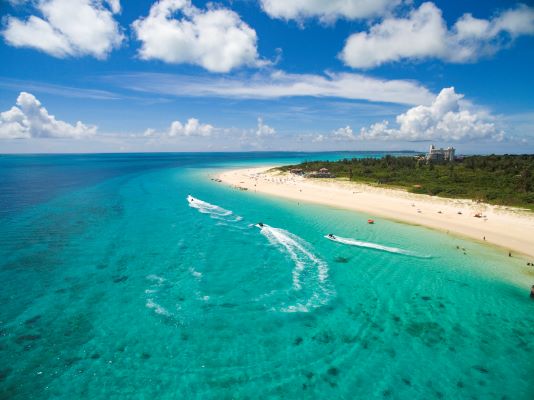
- Okinawa’s average winter temperature is 19 to 21 degrees.
- Okinawa’s average summer temperature is 26 to 33 degrees.
- The high humidity makes it feel warmer, making it popular for water sports and beach activities.
- Okinawa’s cherry blossom season is from mid to late January.
- Okinawa’s swimming season is from April to October.
- Okinawa’s rainy season is mid-May.
- Okinawa’s typhoon season is in August and September.
Okinawa Signature Festivals by Season
| Season | Festival Name | Typical Dates | Primary Focus |
| ❄️ Winter | Motobu Yaedake Sakura | Jan 17 – Feb 1 | Japan’s first cherry blossoms. |
| Ryukyu Lantern Festival | Dec – Feb 15 | 5,000+ lanterns at Murasaki Mura. | |
| 🌸 Spring | Ryukyu Kaiensai (Fireworks) | April 11 (Sat) | Huge fireworks set to music. |
| Naha Hari (Dragon Boats) | May 3 – 5 | Traditional Ryukyu boat races. | |
| ☀️ Summer | Orion Beerfest (Koza) | Mid-September | Beer, live music, and Eisa. |
| 10,000 Eisa Dancers | Early August | Massive parade in Naha. | |
| 🍁 Autumn | Naha Great Tug-of-War | Oct 11 – 12 (TBC) | World-record sized rope pulling. |
| Shurijo Castle Festival | Late Oct – Nov 3 | Ryukyu Royal Procession. |
Planning Your Next Japan Trip?
Japan, where traditions, culture, and history meet the most advanced technology and modern conveniences, also boasts the most picturesque landscapes! It is no wonder that Japan has been voted one of the most popular tourist destinations in the world!
If you are planning to travel to this beautiful country, refer to our article, Plan Your Next Japan Trip – When and Where to Start, for helpful information, advice, and tips to keep in mind when planning your visit.