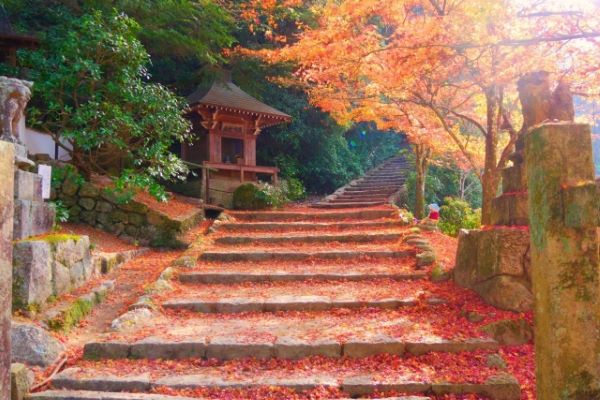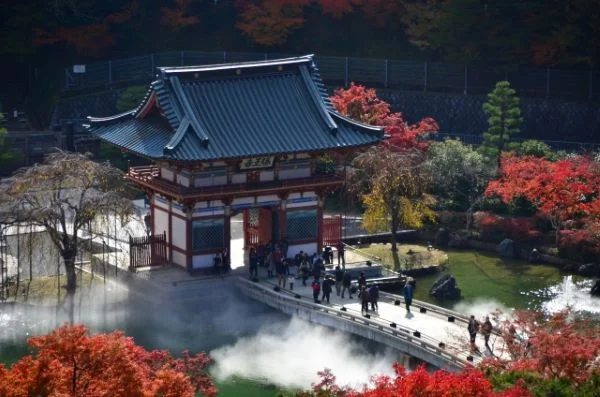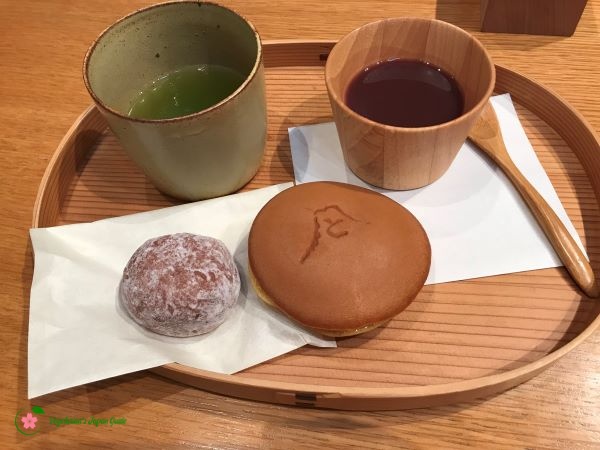
While many travelers flock to the “Golden Route” of Tokyo and Kyoto, the true soul of Japanese autumn lies in the Chūbu region, the rugged, cultural heart of Central Japan. Spanning from the towering peaks of the Japanese Alps to the spiritual hubs of the Nagano highlands, Chūbu offers a dramatic landscape of fiery maples and golden larches that general tourist routes often miss. Even if you enjoy shopping and eating more, you won’t be disappointed by the region’s many charms. After all, the local cuisine in the mountainous area is incredible. Shopping in regional cities means you don’t need to queue for ages at the fitting rooms or the cash register. If you have two weeks and are unsure how to plan, follow this itinerary to explore the beauty of nature in Japan!
For the plant-based traveler, navigating the traditional mountain towns of Central Japan requires more than just a map. It requires a specialized culinary strategy. From sampling heirloom vegetables in the foothills of the Alps to finding vegan-friendly Shōjin Ryōri near ancient temples, this guide bridges the gap between Chūbu’s rich heritage and modern dietary needs. Whether you are wandering through the misty cedar groves of Togakushi or admiring the reflection of Mount Fuji across the Five Lakes, this guide ensures you experience the very best of Central Japan without compromise.
Summary of the 14-Day Itinerary
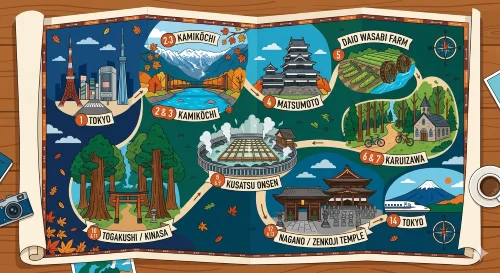
This 14-day Chūbu itinerary takes you through the heart of the Japanese Alps, starting in Tokyo and visiting Kamikochi, Matsumoto, and Nagano, and is specifically designed for those planning to visit Japan between mid-October and early November, when the fall foliage season peaks. But you can still use it if you visit Japan during other seasons.
Note that buses to Kamikōchi do not operate from mid-November to mid-April. So, if you plan to explore the Chūbu region in the winter months, you can replace the days in Kamikōchi with Takayama and Shirakawa-gō.
Important: Kamikōchi is a popular destination, especially during the fall foliage season. It is best to reserve your bus ticket HERE in advance. In addition, buses departing from Kamikōchi for Matsumoto must be reserved. Reservations are open one month beforehand.
Moreover, the itinerary is planned so you can attend the Soba Festival in Togakushi. If you are not interested in the festival, you can adjust the sequence of the places to visit to:
Tokyo → Kamikōchi → Matsumoto → Nagano → Togakushi → Karuizawa → Kusatsu Onsen → Tokyo
Note that the Alpine-Takayama-Matsumoto Area Tourist Pass or the JR East Pass aren’t worth it for this itinerary.
Finding Vegan or Vegetarian Food in the Chūbu Region and the Japanese Alps
Finding vegetarian or vegan food in the Chūbu Region and the Japanese Alps can often be a challenge, as non-plant-based dashi broth is usually used. If the town or the city doesn’t have a vegetarian-friendly restaurant, you can always get some plant-based snacks/rice balls from the convenient stores or try your luck at one of the local restaurants by using the phrases in our Essential Japanese Travel Phrases for Vegetarians and Vegans article to communicate your dietary requirements.
- At any convenience stores, such as 7-Eleven, Lawson, Family Mart:
- Onigiri (Rice Balls): Look for Ume (Pickled Plum) rice balls.
- Snacks: Edamame, salt-flavored potato chips, or mixed nuts.
- Refer to HERE for a list of vegan food you can get at convenience stores.
Day 1 – Tokyo Arrival and a First Taste of Plant-Based City Dining
Haneda/Narita Airport ⇒ Tokyo
Depending on when your flight arrives, you may or may not have time for proper sightseeing during your first day.
If you are unsure as to how to travel from Haneda/Narita Airport to Tokyo, refer to the information below:
There are two services departing for Kamikōchi from Shinjuku each day. One departs in the early morning, and one late at night. If you can sleep on the bus, you can take the bus departing at night to save on accommodation costs on Day 1. Those who cannot sleep well on buses should stay close to Shinjuku Station for the first night and take the morning service on Day 2. This will make getting to Kamikōchi the next day easier.
Enjoying Delicious Plant-Based Food in Tokyo
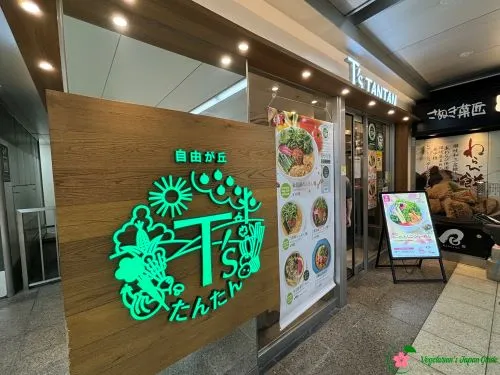
Since this 14-day loop begins in the capital, it is the perfect opportunity to experience some of the world’s most innovative plant-based dining before heading into the rural Alps.
Tokyo’s culinary scene has evolved rapidly, offering a mix of traditional Buddhist-inspired dishes and modern international fusion. For a curated look at the city’s top dining spots, you can explore this guide to the Most Popular Places for Vegan Gourmet Food in Tokyo.
Day 2 and Day 3 – Alpine Splendor: Chasing Autumn Colors in Kamikōchi
Tokyo ⇒ Kamikōchi ⇒ Matsumoto
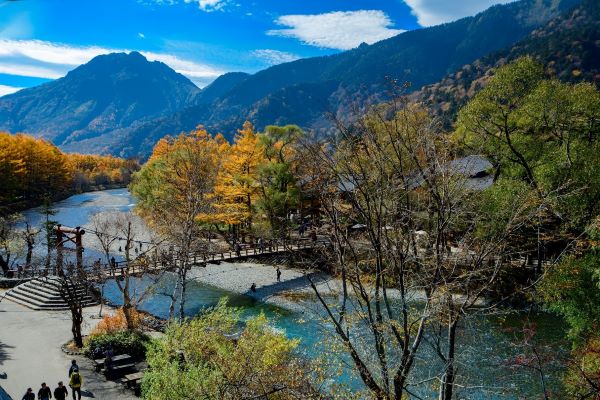
The bus departs Shinjuku at 7:15 am from Shinjuku Bus Terminal bus stop no. 26. As many tourists tend to get lost in Shinjuku Station and Shinjuku Bus Terminal, we recommend locating the bus stop the night before to avoid missing the morning bus.
During the day, you can either spend most of your time enjoying the breathtaking scenery by trekking on the well-maintained tracks or allocate some time for a relaxing morning or afternoon tea inside one of the nicely decorated cafés.
For more information, please refer to our article on Kamikōchi (=゚ω゚)ノ.
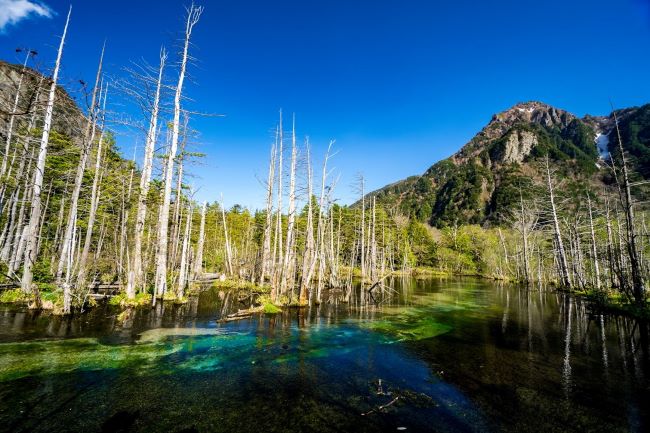
Tip: There are a few hotels in Kamikōchi. If you are unsure, we recommend staying at Taishoike Hotel (大正池ホテル) so you can see the Taishō Pond’s stunning sunrise from your hotel room on Day 3’s morning!
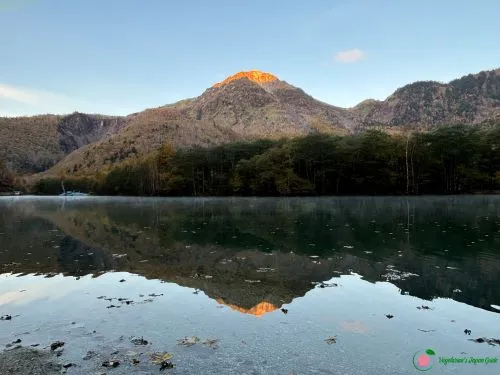
Several buses are departing from Kamikōchi to Matsumoto, but you will need a reservation ticket to board. Please remember to book Online or at Kamikōchi Bus Terminal in advance. Amending the boarding time is possible at the ticket office at Kamikōchi Bus Terminal for a 100 yen processing fee.
The last bus from Kamikōchi to Matsumoto departs at 5:30 pm.
Vegan/Vegetarian Tip for Kamikochi: Gosenjaku Kitchen (五千尺キッチン) near Kappa Bridge has vegan curry rice.
Day 4 and 5 – History and Heritage: Exploring Matsumoto Castle and Local Finds
Matsumoto
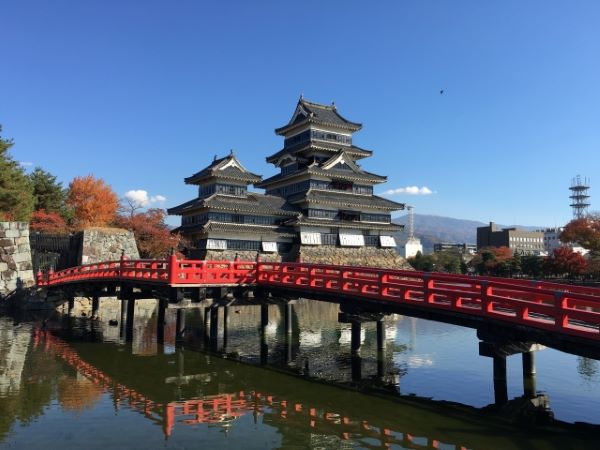
Day 4 and 5 are allocated to exploring Matsumoto. For information about the city’s attractions, refer to our Matsumoto article. We recommend staying close to Matsumoto Station on Day 5. You want to get to the station as early as possible to explore Karuizawa on Day 6.
When you visit Matsumoto, the national treasure, Matsumoto Castle is a must-see. If you don’t want to go inside the castle, snap a few photos from its outer moat.
Nawate Street and Nakamachi Street are close to the castle. Each of them has a slightly different vibe. We highly recommend spending an hour or two checking out the boutique shops and cafes there. You will find a couple of other interesting spots.
If you like museums, the Matsumoto Museum of Art is a must-visit.
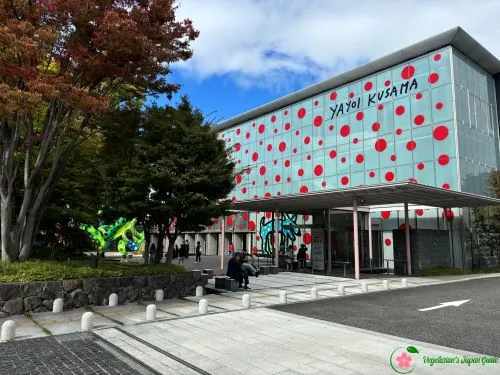
Matsumoto also has a couple of other museums that are worth visiting. For more information, refer to our article on the Museums in Matsumoto.
If you like hot springs, you can spend a night at Asama Onsen on Day 4.
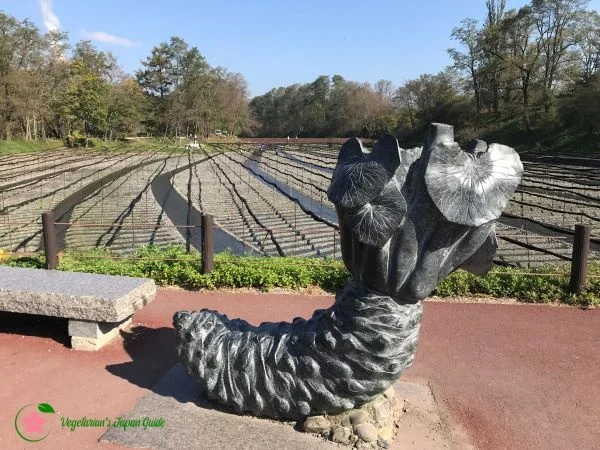
On Day 5, you can continue exploring Matsumoto or visit the Daiō Wasabi Farm. The wasabi farm isn’t too far from Matsumoto and is considered a hidden gem. You can taste the freshest wasabi there and even purchase one or two to use during your stay in Japan!
Enjoying Delicious Plant-Based Food in Matsumoto
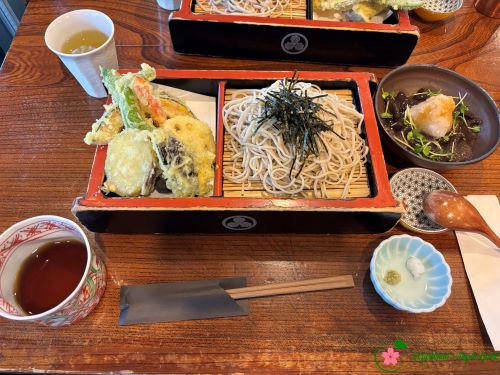
Matsumoto is a highlight for many travelers, not just for its architecture, but for its role as a gateway to the Japanese Alps’ best produce. From famous Shinshu soba to firm mountain tofu, it is one of the easiest places in the Chūbu region to find high-quality meat-free meals.
To make sure you don’t miss the best local spots, we have put together a list of the Most Recommended Vegan-Friendly Restaurants in Matsumoto for every budget.
Day 6 and Day 7 – Forest Escapes and Fall Foliage in Stylish Karuizawa
Matsumoto ⇒ Karuizawa
Get out of bed as early as possible on Day 6 if you want to maximize your time in Karuizawa. Take the local train to Nagano Station. Then, take the next bullet train from Nagano Station to Karuizawa. For accommodation, stay close to Karuizawa Station to avoid dragging your luggage around.
Refer to our article on How to Take the Bullet Train for more information, including how to buy your ticket and the best seats to reserve.
Tip: Instead of the bullet train, you can also take the sightseeing train, Rokumon, to Karuizawa.
Karuizawa has many attractions that you can visit. One day is definitely not enough to explore this summer resort close to Tokyo!
You can refer to our Karuizawa article for all the spots you can visit. You can pick a couple that interests you the most.
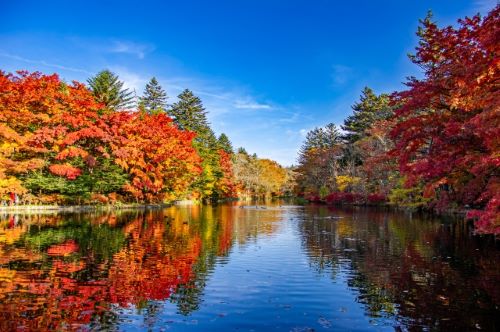
The must-go spots for the fall foliage scenery are:
For cafes and shopping, head to:
Tip: If you are looking for a mid-range hotel in Karuizawa, consider APA Hotel Karuizawa Station Karuizawaso.
The next day, you can explore the Naka-Karuizawa area and Oiwake-Shuku. These two areas are less touristy and have a more countryside vibe.
On Day 7, keep an eye on the time, as you would not want to miss the last bus departing from Karuizawa Station’s north exit for Kusatsu Onsen. The last service departs at 3:40 pm (refer to HERE for the most up-to-date timetable). It takes around an hour to get to the hot spring town. If you take the last bus service, you will arrive just before dinner time.
There are many hotels and ryokans in Kusatsu Onsen. If you are not sure which one to pick, refer to our Guide to the Hotels/Ryokans in Kusatsu Onsen for the recommended accommodations.
Day 8 and Day 9 – Traditional Healing: Relaxing in the Famous Waters of Kusatsu Onsen
Kusatsu Onsen ⇒ Nagano
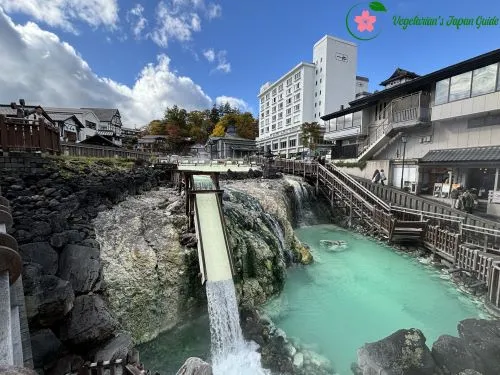
The onsen town’s center is the magnificent Yubatake (湯畑). The spot where more than 4,000 liter of hot springs gush out per minute becomes a field of hot springs, which is why the locals named it Yubatake.
Kusatsu Onsen is one of the few hot spring towns in Japan with tattoo-friendly public bathhouses. Whether you have a tattoo or not, check out at least one of Kusatsu Onsen’s three public bathhouses, Kusatsu Santō (草津三湯).
The famous hot spring town is best known for the Yumomi show, so visit Netsunoyu for the performance. You might even get to experience it!
Boutique shops and cafes can also be found on streets stretching from Yubatake. If you are a nature lover, there are a few promenades and hiking trails. There is even a ski resort that turns into an outdoor activity heaven during the warmer months!
For more information about the places to visit, refer to our article on Kusatsu Onsen!
After you have your fill at Kusatsu Onsen on Day 9, pick up your luggage from your accommodation and take a bus from Kusatsu Onsen Bus Terminal to Nagano Station. We recommend staying close to Nagano Station because you will need to take a bus from Nagano Station to Togakushi the next morning.
- You can either take the Direct Bus Service from Kusatsu Onsen to Nagano (1 service per day) or
- Head Back to Karuizawa and take a bullet train to Nagano.
Tip: Book the same hotel for Day 9 and Day 11. The hotel will most likely hold your belongings while you are away for a night in Togakushi. But please confirm with the hotel first!
Day 10 and Day 11 – Togakushi’s Ancient Cedars and Kinasa’s Hidden Beauty
Nagano ⇒ Togakushi and Kinasa ⇒ Nagano
The first bus to Togakushi from Nagano Station departs at 7 am. Between 7 am and 7 pm, there is at least one service per hour. It takes around an hour to get to Togakushi. We recommend arriving in Togakushi by 11 am so you can enjoy soba noodles at one of the popular noodle restaurants.
Refer to HERE for Togakushi’s access information.
The main attraction in Togakushi is Togakushi Shrine. If you want to trek through the approach that links the shrine’s five sub-shrines, allow yourself a whole day.
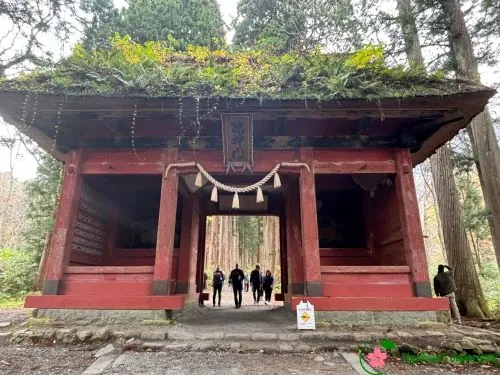
The bus from Nagano Station can take you to the last sub-shrine. If you don’t want to walk all day, you can use the bus service.
Other attractions that might interest you include the Togakushi Ninja Museum・Ninja Trick Mansion, and the stunning Togakushi Forest Botanical Garden!
Refer to our Togakushi article for the area’s attractions.
Tip: Plan your Day 10 or 11 to fall on November 1st to attend the Togakushi Soba Festival!
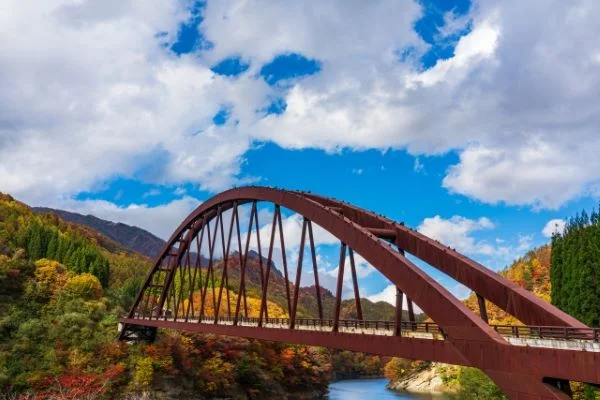
We recommend spending a night at Togakushi on Day 10. You can get up early on Day 11 and enjoy the nature Togakushi has to offer. But you can also take a bus back to Nagano Station if you don’t want to keep changing hotels.
Day 11 is mainly reserved for Kinasa, a small village next to Togakushi. If you don’t have access to a car and want to visit it, you need to travel back to Nagano Station, as there are no bus services connecting Togakushi with Kinasa.
Day 12 and Day 13 – The Heart of Nagano: Zenkoji Temple and Regional Vegetarian Specialties
Nagano ⇒ Tokyo
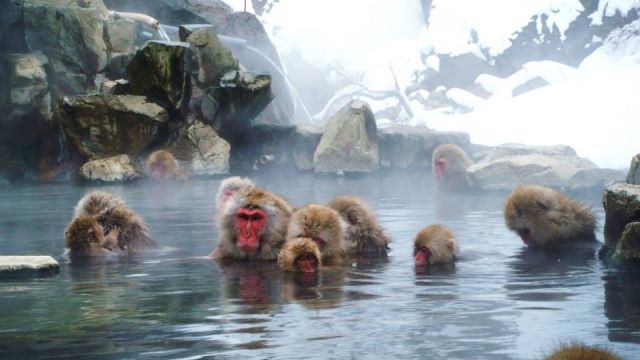
Days 12 and 13 are reserved for attractions/destinations reachable from Nagano Station. For example, you can take a bus to Jigokudani Monkey Park to see the snow monkeys indulging in hot springs. Remember to check the park’s official website to ensure the monkeys have come down to the park before heading out.
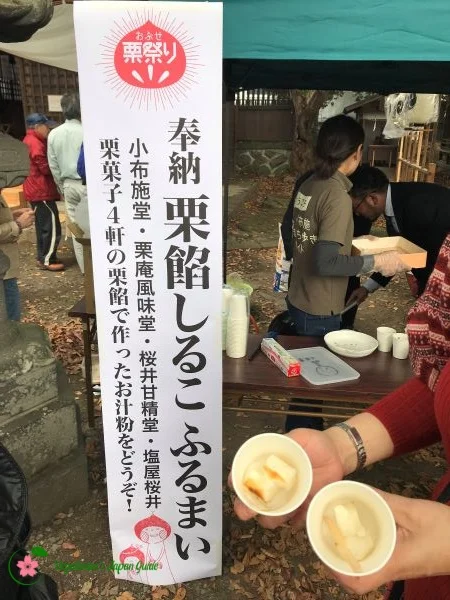
On the way to the park, stop by Obuse for chestnut desserts. If your Day 12 or Day 13 falls on the last Sunday of October, the Obuse Chestnut Festival should be on!
You can get up early on Day 13’s morning for Zenkoji Temple’s morning service. The Rosary Blessing is a unique ritual that you can get from the head monk. If you are interested, refer to our Zenkoji article for more information.
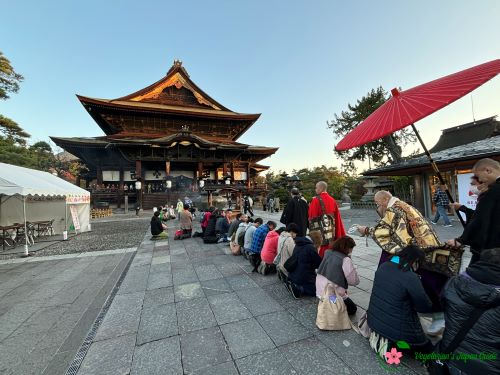

You can spend the rest of Day 13 around the temple and check out the shops and cafes on Nakamise-dōri Street. There is also a sake brewery that you can visit.
After you have your fill in Nagano, take the next bullet train to your accommodation in Tokyo.
Enjoying Delicious Plant-Based Food in Nagano
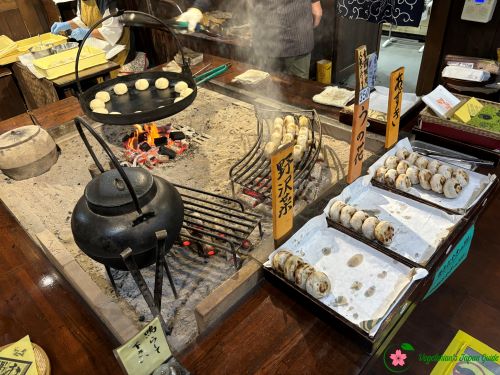
As you move through Nagano, you’ll encounter iconic local snacks like Oyaki dumplings and world-class soba. To truly enjoy these regional flavors without worrying about hidden fish-based ingredients, it helps to have a list of tried-and-tested establishments.
Whether you are after a quick plant-based bite between temple visits or a cozy izakaya with vegan-labeled dumplings, you can find my top picks in this article on Recommended Vegan and Vegetarian Spots in Nagano City.
Day 14 – Final Reflections and Return to Tokyo
Kichijōji
For your Day 14 return to the capital, Kichijōji is a perfect final stop. Often voted one of the most livable neighborhoods in Tokyo, it offers a more relaxed, “local” vibe compared to the busy centers of Shibuya or Shinjuku.
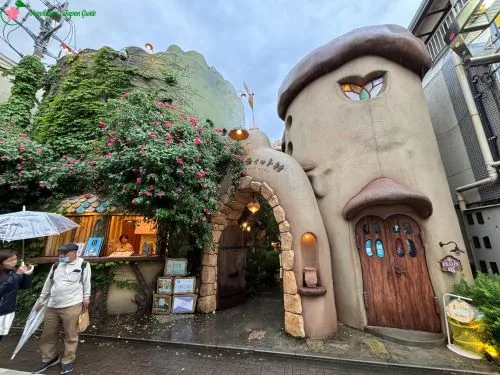
On your final day, escape the urban intensity of central Tokyo by heading to the charming neighborhood of Kichijōji. It is the perfect place to unwind at Inokashira Park, where you can enjoy the ‘upside-down’ autumn leaves reflected on the pond’s surface.
The area is also a hidden gem for plant-based travelers, featuring everything from organic buffets to specialized vegan bakeries. For a full list of local shops, cozy cafes, and must-see spots, see my Ultimate Guide to What to Do in Kichijōji.
Planning to Spend More than 7 Days in Japan? Check Out the Itinerary for Other Parts of Japan!
Ready to explore more of Japan? If you are ready to dive deep into the hidden gems of other parts of Japan, such as the scenic Tōhoku and Chūbū regions, we have mapped out the perfect routes for you.
Check out our full collection of Japan Travel Itineraries for detailed transport guides, seasonal highlights, and plant-based dining tips to help you plan your next stress-free journey.